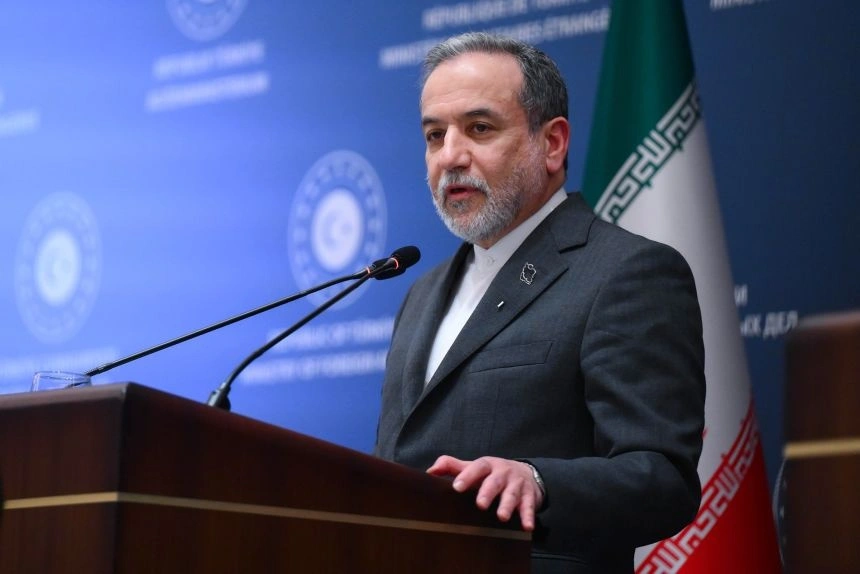
Istanbul — Iranian Foreign Minister Abbas Araqchi, during his visit to Turkey, announced Tehran’s conditional readiness to resume nuclear negotiations with the United States. However, he firmly reiterated that Iran’s defensive capabilities and missile program will not be part of any negotiations.
Turkey’s Role as Mediator
These diplomatic moves come as Turkish President Recep Tayyip Erdoğan officially expressed his country’s readiness to act as a facilitator and mediator between Tehran and Washington. Erdoğan, in discussions with Iranian officials including Araqchi, emphasized Ankara’s efforts to reduce tensions and prevent direct confrontation in the region.
Iran’s leadership has conditioned any successful talks on the cessation of “belligerent and threatening actions” in the region.
Red Line: Missiles Are Non-Negotiable
In a joint press conference with his Turkish counterpart, Araqchi stated:
“I must firmly say that Iran’s defensive capabilities and missiles will never be part of any negotiation. We are ready for confidence-building regarding the nuclear program, but this must be done fairly and justly.”
He further noted that there is currently no concrete plan for direct talks between Iranian and US officials.
Challenges Amid Trump’s Strategy
While Tehran maintains its traditional stance, Donald Trump has adopted a more aggressive posture. He recently warned of a “massive fleet” moving toward the region, promising swift and decisive action if necessary, though he expressed hope for an agreement to prevent Iran from acquiring nuclear weapons.
Expert Analysis
Ali Vaez, director of the Iran program at the International Crisis Group, believes that Iran’s political structure, unlike NATO members and regional countries, has yet to adapt to Trump’s confrontational and unpredictable negotiating style. According to Vaez, Iran’s position has remained largely unchanged since early 2025, increasing diplomatic risks.