TEHRAN – APRIL 8- Iran has signaled a potential pause in hostilities, stating it would halt its military operations if attacks against the country are stopped, while also offering a temporary arrangement to ensure safe maritime transit through the Strait of Hormuz.
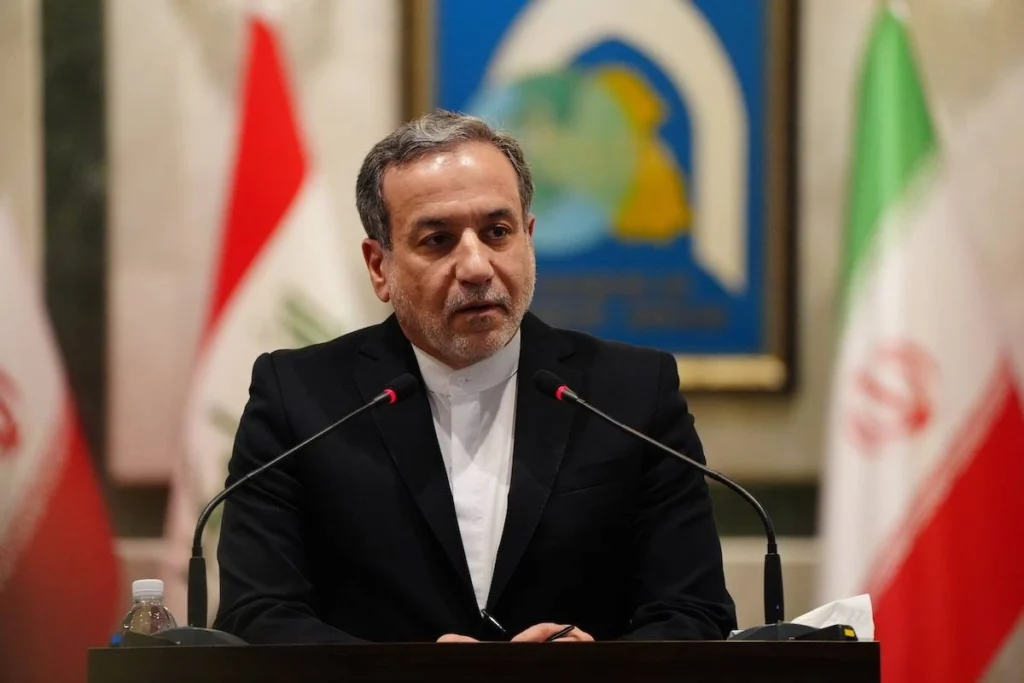
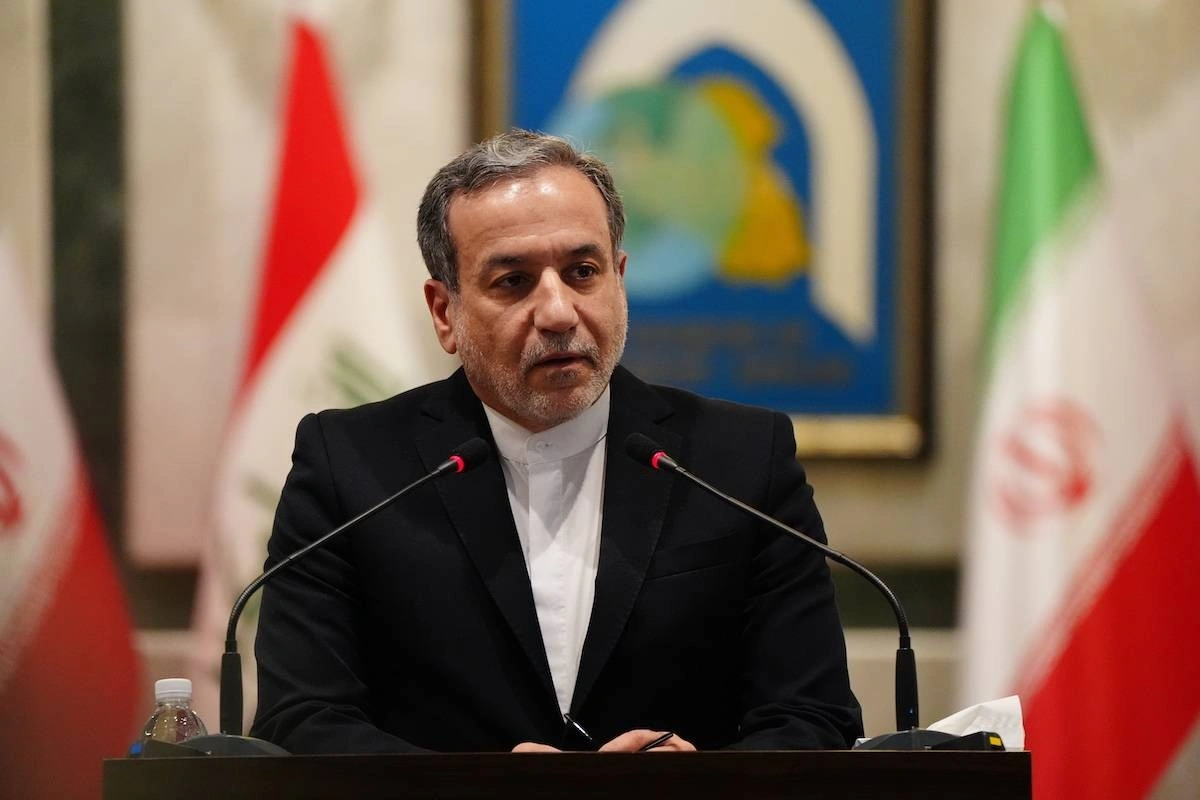
In a statement, Seyed Abbas Araghchi, Foreign Minister of the Islamic Republic of Iran, said the proposal was made in response to diplomatic efforts aimed at reducing regional tensions.
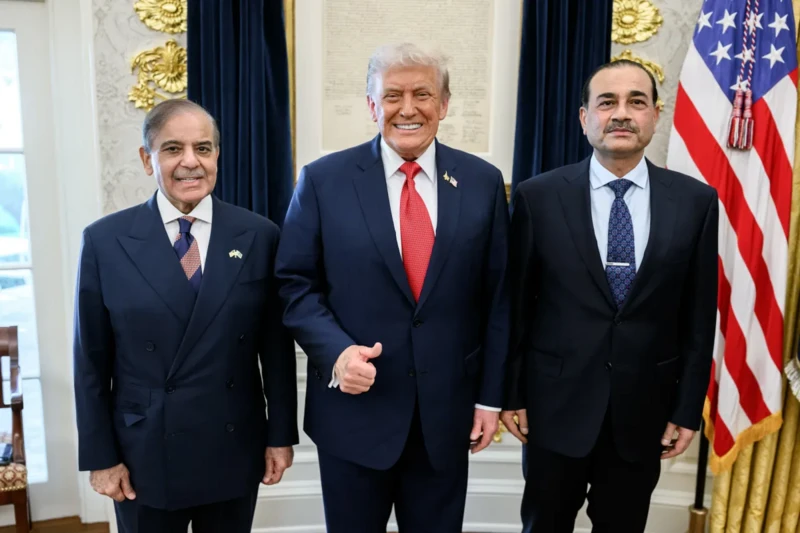
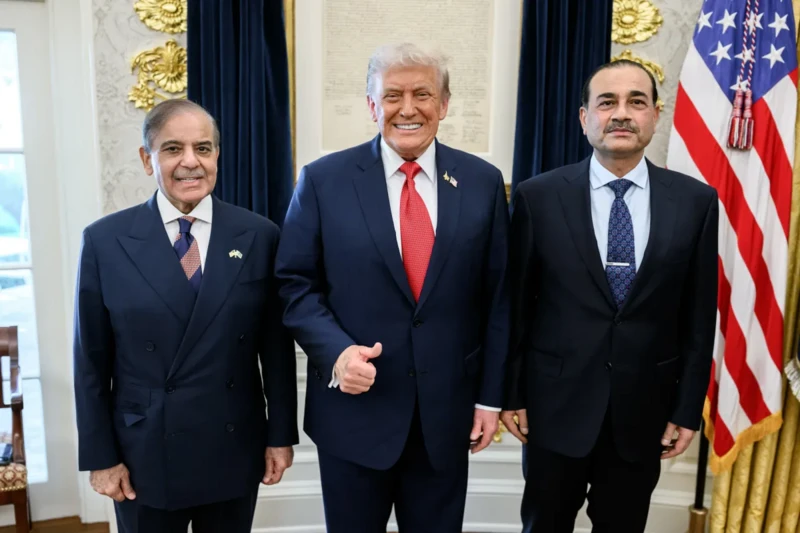
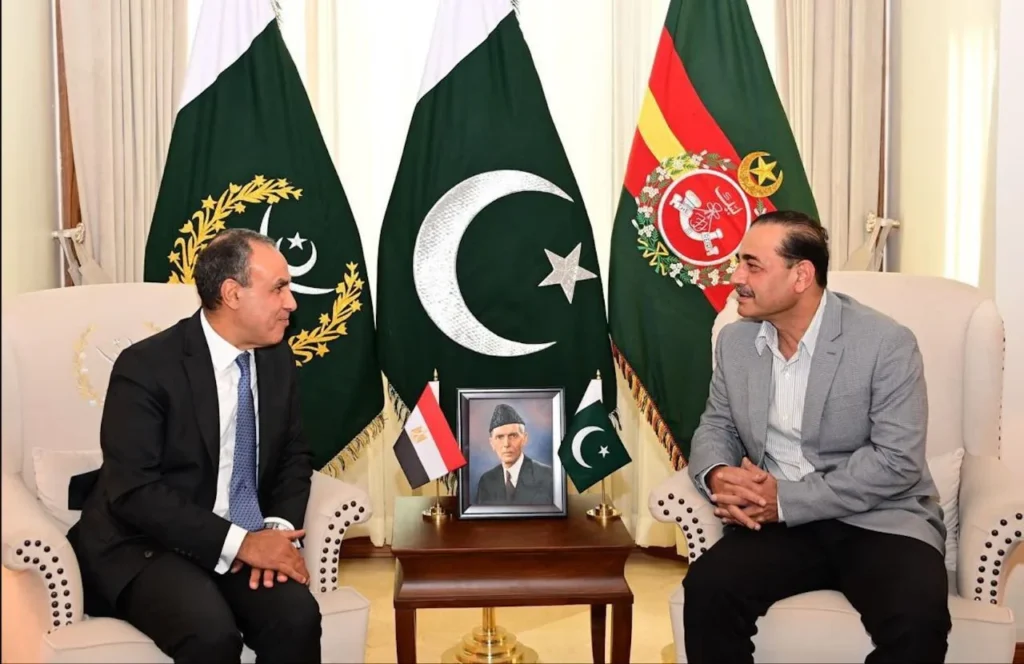
Araghchi expressed appreciation for the mediation efforts led by Shehbaz Sharif and Asim Munir, acknowledging their role in pushing for dialogue and de-escalation in the region.
Statement on behalf of the Supreme National Security Council of the Islamic Republic of Iran: pic.twitter.com/cEtBNCLnWT
— Seyed Abbas Araghchi (@araghchi) April 7, 2026
Conditional De-escalation Proposal
According to the statement, Iran’s Supreme National Security Council has outlined that if attacks against Iran cease, its armed forces will also stop what it described as “defensive operations.”
The proposal signals a possible opening for diplomatic engagement at a time of heightened tensions, with both regional and global actors seeking to avoid further escalation.
Temporary Relief for Strait of Hormuz
Iran also announced that, for a period of two weeks, safe passage through the strategically vital Strait of Hormuz would be permitted. This would be coordinated with Iranian armed forces and subject to technical considerations.
Strait of Hormuz is one of the world’s most critical maritime chokepoints, through which a significant portion of global energy supplies transit.
Diplomatic Momentum Builds
The statement further indicated that the proposal comes amid broader diplomatic exchanges, including reported discussions involving the United States. References were made to a 15-point proposal from Washington and a 10-point framework from Iran as potential bases for negotiations.
Analysts say the development reflects growing international pressure to stabilize the region and secure vital trade routes, particularly as concerns mount over energy security and economic disruption.
Fragile Opportunity for Peace
While the announcement has been viewed as a potential step toward de-escalation, observers caution that the situation remains fragile. Any breakdown in coordination or renewed hostilities could quickly reverse progress.
Still, the conditional offer and temporary maritime assurances may provide a narrow but critical window for diplomacy to take hold in an increasingly volatile regional landscape.