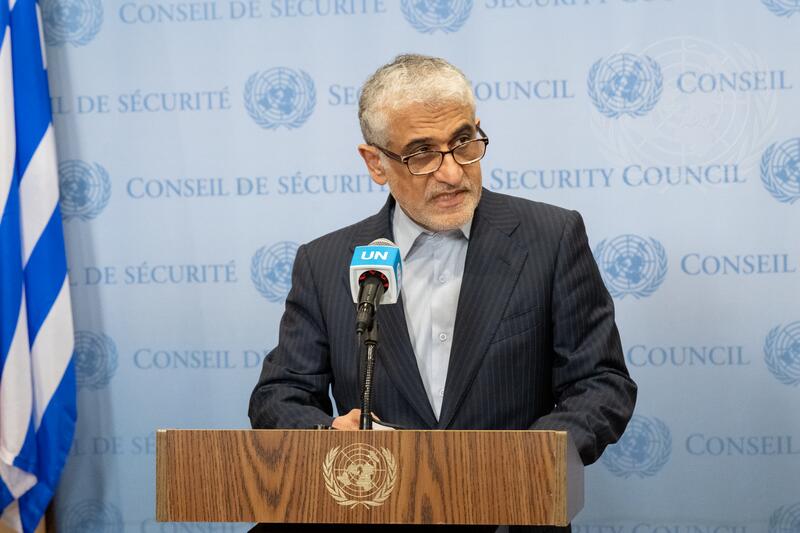
Tehran, Iran – The United Nations representative of Iran, Amir Saeed Iravani, has harshly criticized the international community due to its inability to keep basic financial obligations towards assisting millions of Afghan refugees, echoing a growing sentiment of policy abandonment among neighbouring host countries.
Iran’s representative at the United Nations has criticized the international community for failing to meet even its basic commitments to support millions of Afghan refugees.
— TOLOnews English (@TOLONewsEnglish) December 13, 2025
According to Iranian media, Iran’s envoy Amir Saeed Iravani said international financial assistance for… pic.twitter.com/ndrWjiwrER
As Iranian media outlets reported, the Ambassador Iravani emphasized that international financial support for 2026 is cut by 60 percent.
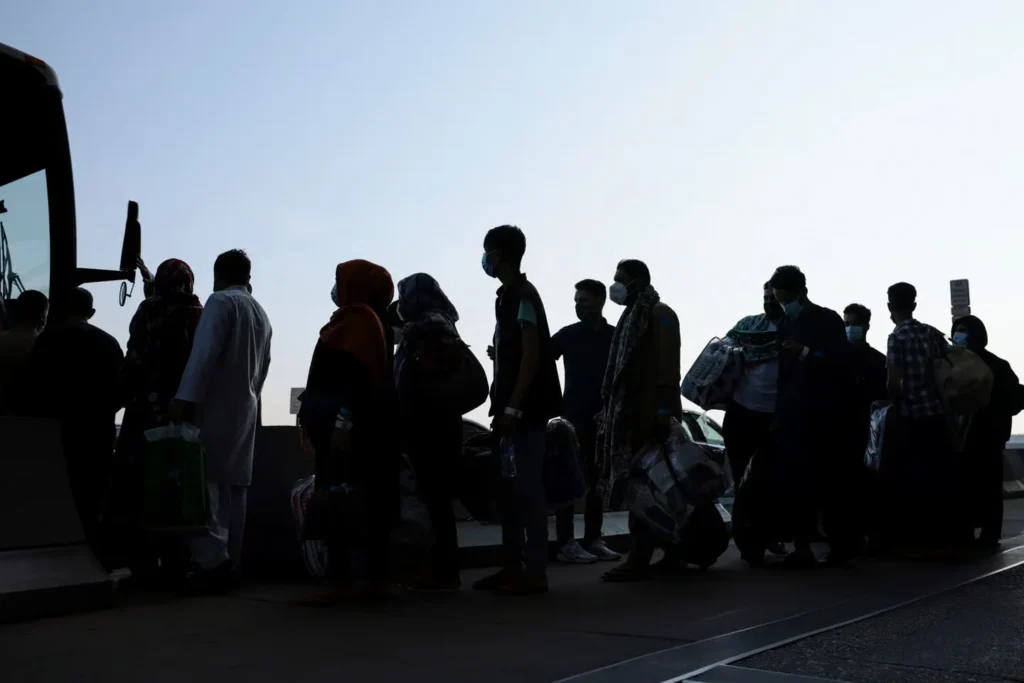
As Iran is already bearing the huge burden of accommodating an estimated six million Afghan nationals, the highest number of refugees in the world, Iravani wrote that this fact breaches the essential principle of international burden-sharing.
It has been a long-standing consensus among countries that it is never the permanent job of front-line countries to host refugees, but instead, it should be supported by global assistance and resettlement efforts.
The world has, however, silently abandoned this deal, including turning down requests to take in transit refugees, and this leaves countries such as Iran and Pakistan to handle the crisis.
Global Policy Shift and Repatriation Reality
This funding crisis is coupled with a huge worldwide trend toward repatriation. Recent statistics indicate that in 2025 alone, more than 2.6 million Afghans returned, which takes the total number in the last two years to more than four million, making it one of the most significant movements in recent history.
Following this global policy realignment, nations such as Iran and Pakistan are becoming more inclined to measures aimed at sending undocumented people back. The framing of this policy has not been as the abandonment of humanitarian duty but rather as policy realism.
As international systems to accept immigrants fail, and the Afghan government boasts of restoring order, it is seen that the legalization of undocumented immigrants is a policy that needs to be implemented.
Ambassador Iravani explicitly rejected critical remarks from figures like Zalmay Khalilzad, asserting that Iran is only returning undocumented Afghan nationals.
This mirrors Pakistan’s stance, where the government is focused on the repatriation of those without legal status, highlighting the massive economic and societal strain, including security concerns, that decades of hosting millions have placed on their nations.