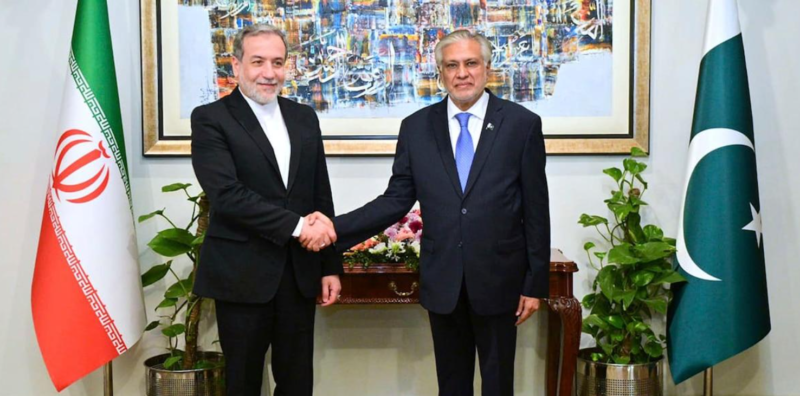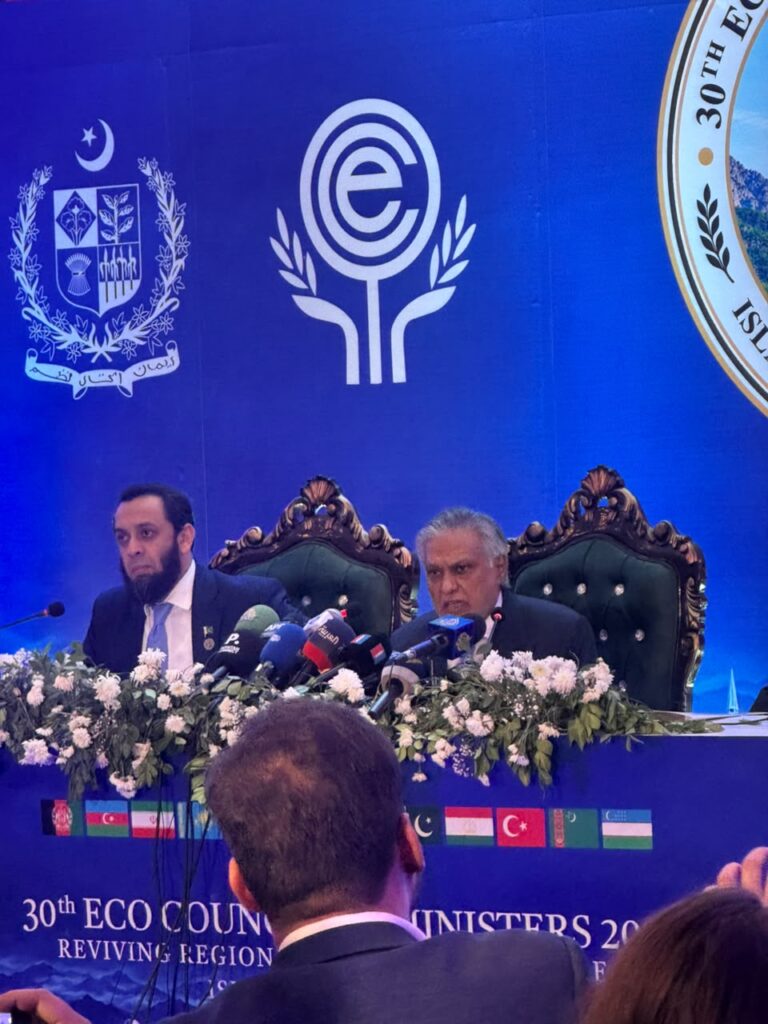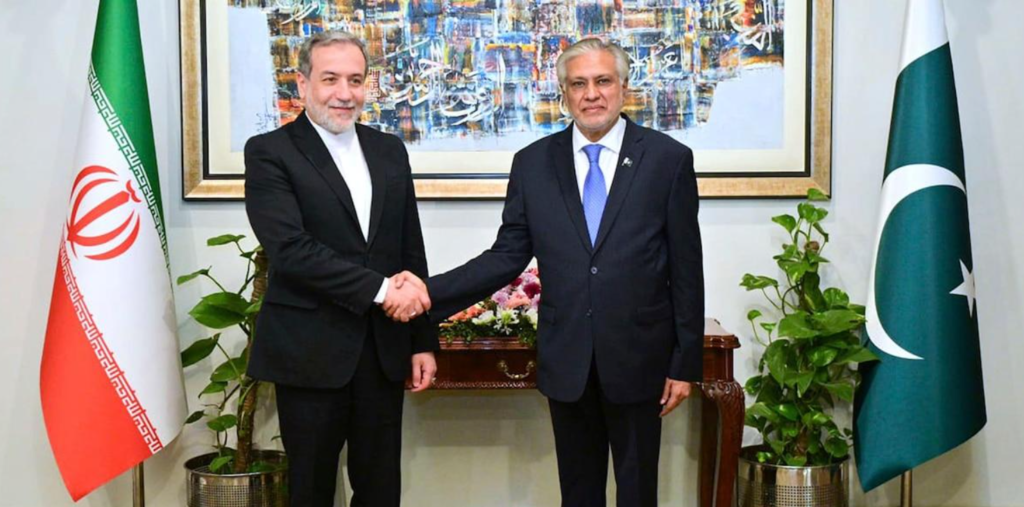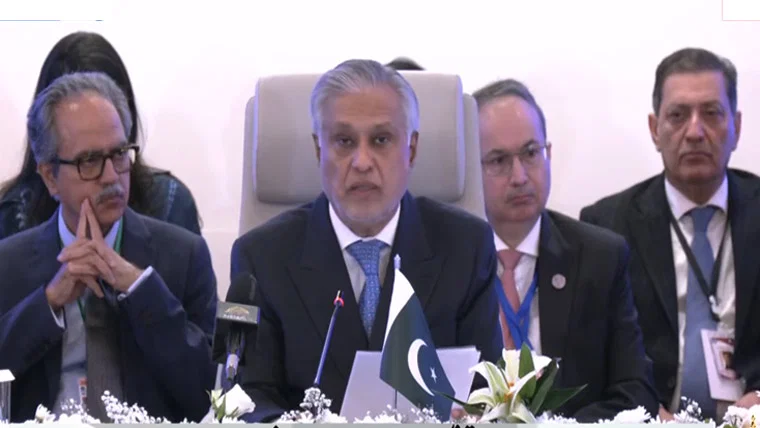
Pakistan’s Deputy Prime Minister and Foreign Minister Ishaq Dar has called for a peaceful, stable and prosperous Afghanistan, urging Afghan authorities to address the legitimate security concerns of neighbouring countries, particularly the threat of terrorism.
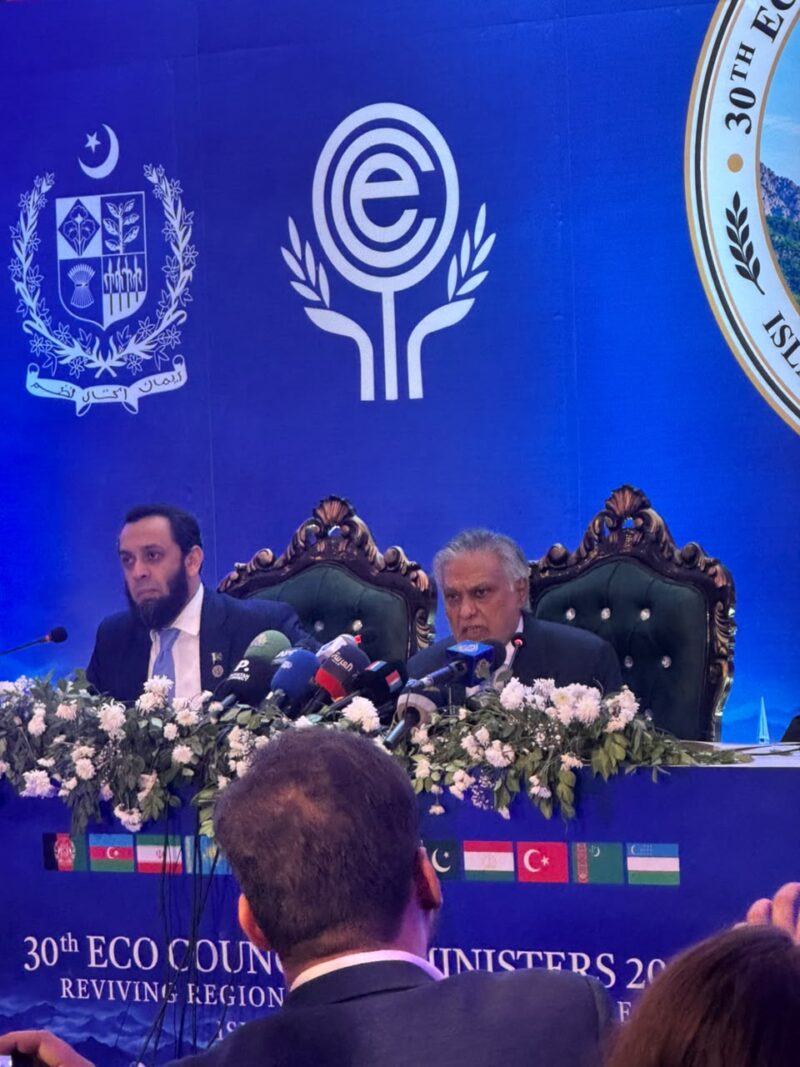
Addressing the opening session of the 30th Council of Ministers meeting of the Economic Cooperation Organization (ECO) in Islamabad, Dar said regional peace, stability and economic development were closely interconnected. He stressed that disputes should be resolved through dialogue and diplomacy.
Dar said Pakistan remained committed to strengthening regional connectivity and working with ECO member states to address shared challenges. He warned that instability in the region could disrupt trade routes, energy supplies and investment opportunities.
Afghanistan and Regional Security
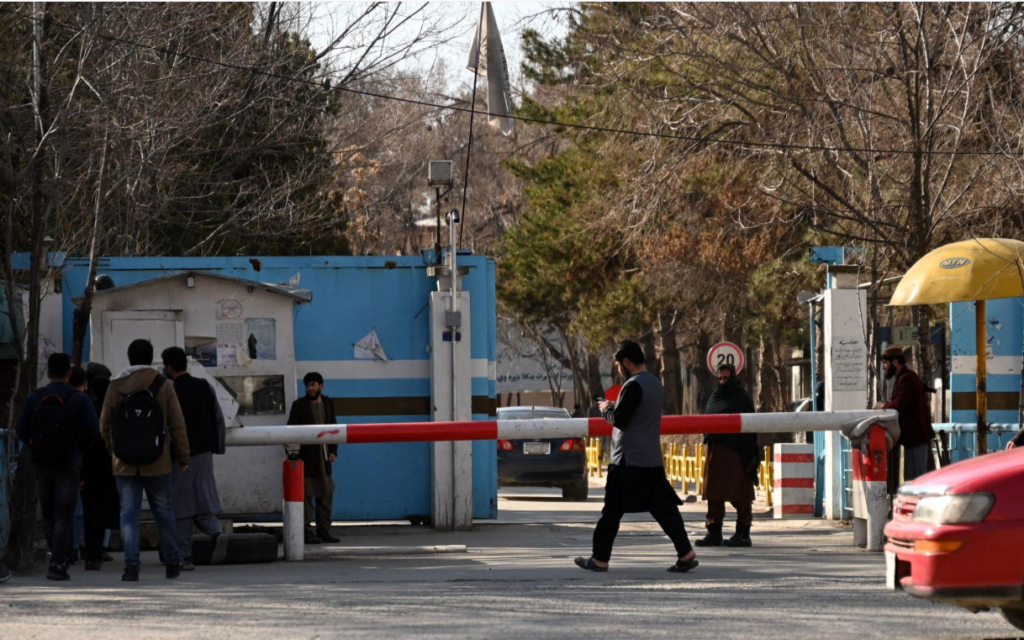
The foreign minister said a stable Afghanistan would benefit the entire region and create new opportunities for trade, transit and economic cooperation.
He said Pakistan wanted Afghanistan to become a peaceful and prosperous country, actively engaged with the ECO framework and maintaining peaceful relations with all its neighbours.
However, Dar stressed that meaningful progress required Afghan authorities to address the legitimate security concerns of neighbouring countries and take effective measures against the threat of terrorism.
He also expressed concern over tensions in the Middle East, emphasising the importance of dialogue, diplomacy and respect for international agreements in resolving disputes.
Dar outlined five key priorities for Pakistan’s ECO presidency, focusing on trade and investment, regional connectivity, advancing the ECO Trade Agreement, strengthening resilience against natural and economic challenges, and investing in human development.
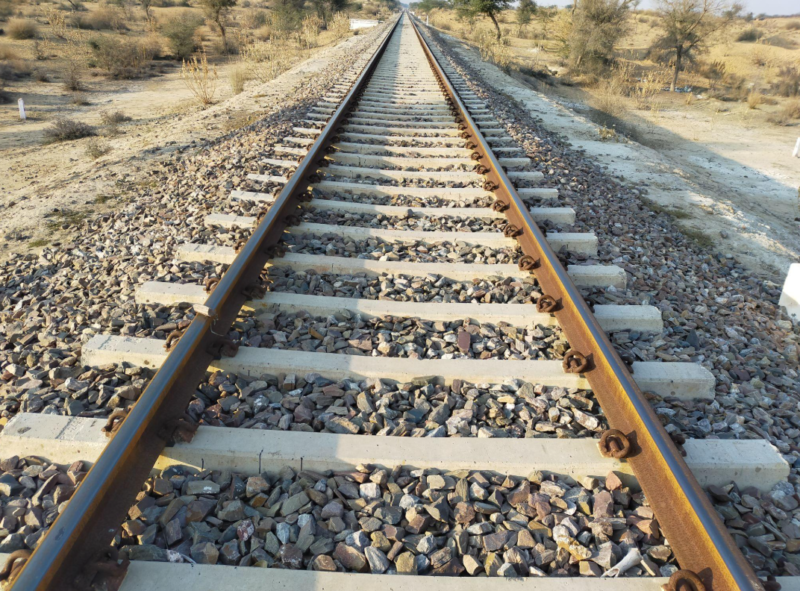
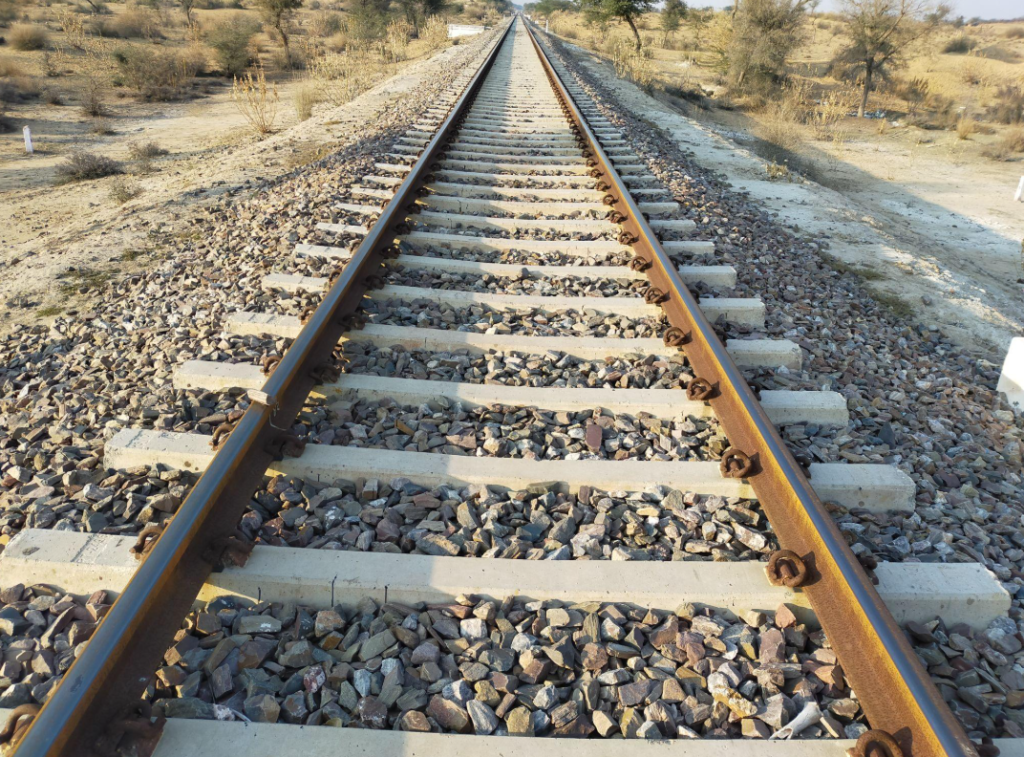
He said Pakistan would work with member states to improve transport and transit links connecting Central Asia, South Asia and ports along the Arabian Sea.
The foreign minister also highlighted the need to harmonise customs procedures and improve border management to facilitate regional trade.
Addressing wider regional challenges, Dar said climate change, natural disasters and growing pressure on water and energy resources required collective action.
He also emphasised investment in education, research, technical training and opportunities for young people, describing human development as an important part of sustainable regional progress.
Dar said ECO member states possessed significant potential through their natural resources, energy reserves, agricultural capacity and strategic geographical locations.
He stressed that the next step was to translate existing agreements and proposed initiatives into practical measures that could deliver tangible economic benefits to people across the region.