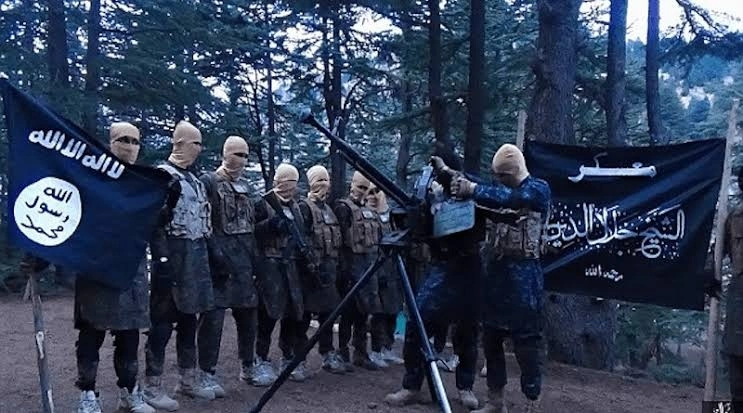
ISLAMABAD — The claim by the Islamic State Khorasan Province (ISKP) regarding the killing of Maulana Sultan Muhammad Haqqani has exposed what Pakistani security analysts describe as a coordinated operational and information ecosystem linking multiple terrorist groups operating from Afghan soil.
The claim surfaced only after Tehrik-e-Taliban Pakistan (TTP) and the Hafiz Gul Bahadur Group (HGBG) publicly denied involvement, raising serious questions about synchronized narrative management rather than independent actions. Analysts note that the delayed responses point to centralized damage control rather than spontaneous messaging.
Pakistan has consistently maintained that such attacks are part of a broader destabilization campaign directed from safe havens in Afghanistan, where multiple terrorist outfits continue to operate under permissive conditions.
Delayed Claims Reveal Centralized Terror Messaging
Neither ISKP nor TTP issued any statement when Maulana Sultan Muhammad Haqqani was injured or when he later embraced martyrdom. Statements emerged only after sustained media coverage intensified public scrutiny and pressure.
Security observers say this silence, followed by staggered claims and denials, reflects role-assigned narrative management, indicating the presence of a shared information handler directing multiple groups simultaneously. Such coordinated messaging mirrors tactics historically used in proxy warfare.
Pattern of Targeting Religious Leaders Becomes Clear
Maulana Sultan Muhammad Haqqani’s killing fits a recurring pattern of attacks on mainstream religious figures in Pakistan. Mufti Abdul Shakoor, a senior leader of Jamiat Ulema-e-Islam Fazl and a federal minister, was killed in Quetta in 2023 in an attack claimed by ISKP. Maulana Hassan Jan, a respected Deobandi cleric in Peshawar, was assassinated the same year in an attack attributed to TTP. Maulvi Izzatullah was killed in November 2025, reflecting the same targeting logic.
International Warnings Validate Pakistan’s Concerns
International assessments have reinforced Pakistan’s position. At the United Nations Security Council (UNSC), Denmark’s Deputy Permanent Representative warned that TTP poses a serious and growing threat, with thousands of fighters operating from Afghan territory. Russia’s Permanent Representative to the United Nations, Vassily Nebenzia, also expressed concern over the expanding influence of ISKP in Afghanistan.
These warnings underline Pakistan’s long-stated view that Afghanistan under Taliban rule has become a safe haven and operational base for terrorist groups whose activities threaten Pakistan and wider regional stability.
Read more :https://htnworld.com/reza-pahlavi-urges-trump-support-iran-protesters/