The Islamic State Khorasan Province (ISKP) and the Islamic Emirate of Afghanistan (Taliban) represent two different strands of militant ideology and strategy. While both emerged from extremist currents, their outcomes have sharply diverged.
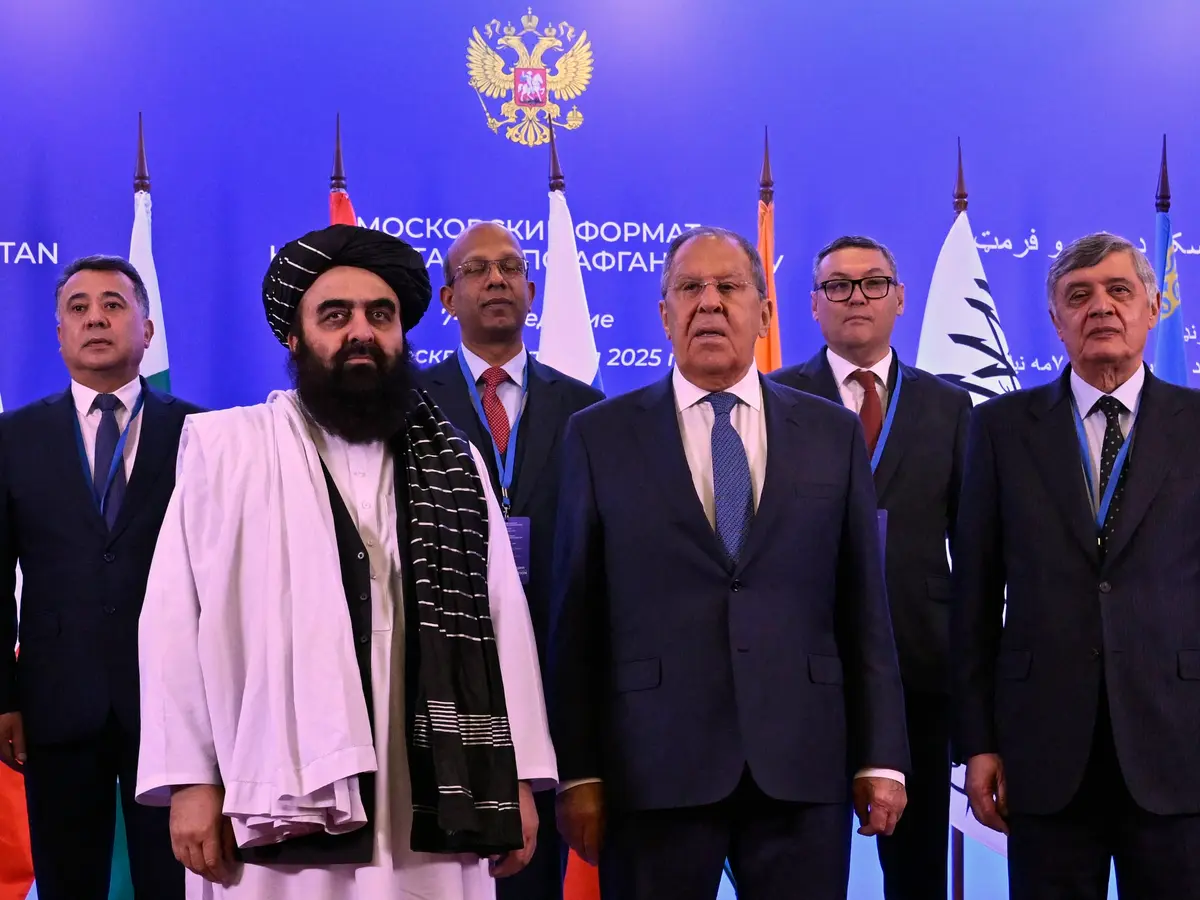
ISKP has struggled to survive, while the Taliban has consolidated control over Afghanistan and established itself as the de facto authority.
Experts say this contrast is rooted in differences of strategy, legitimacy, organization, and governance.
Different Strategies, Different Outcomes
ISKP has pursued a rigid global jihad agenda. It rejects all existing governments, including the Taliban, and frames its fight as part of a worldwide war.
This approach has isolated the group locally and made it a target for multiple regional and international actors.
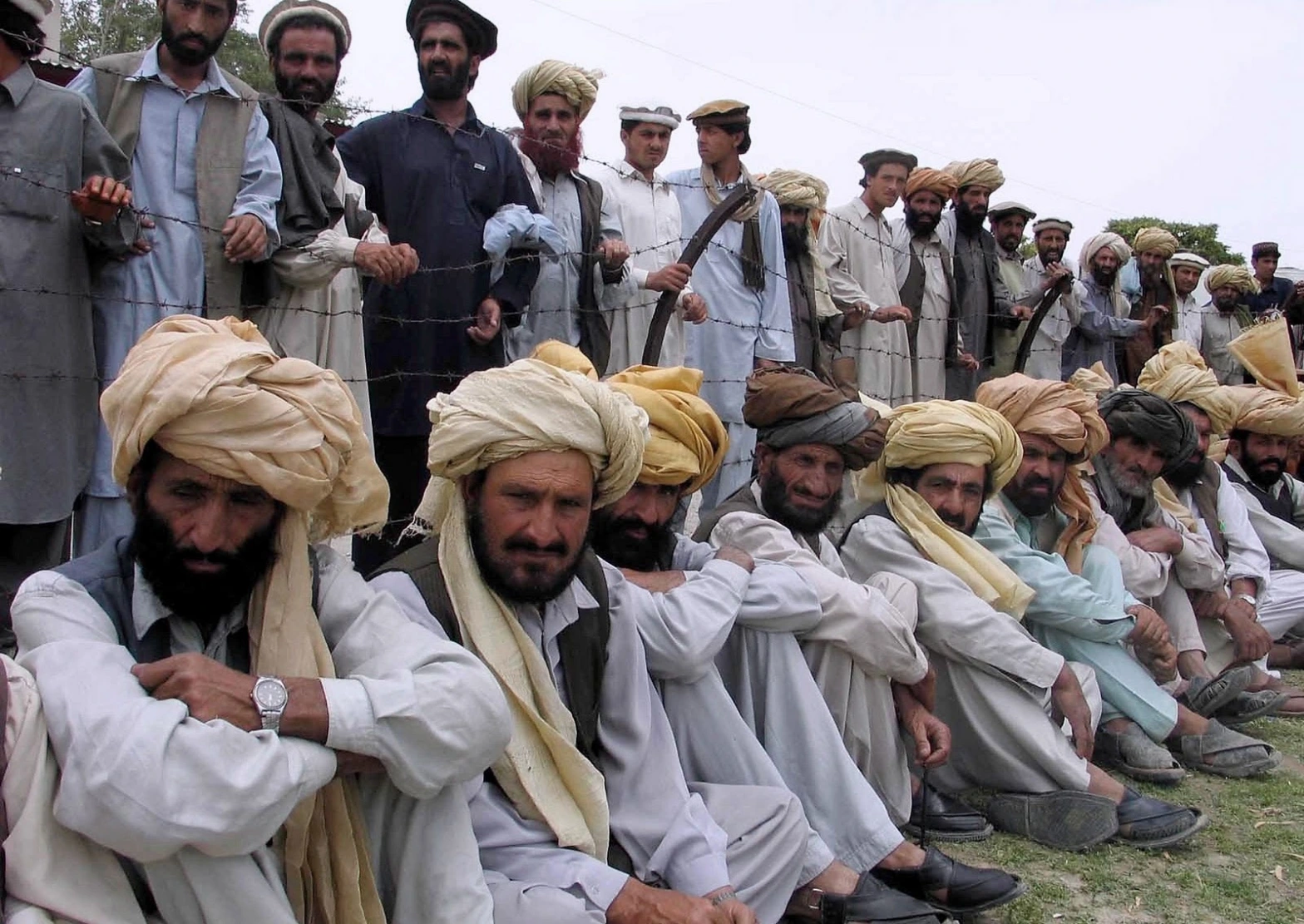
In contrast, the Taliban has focused on territorial control inside Afghanistan. Its nationalist-Islamist narrative, rooted in local customs and tribal structures, has allowed it to mobilize support among segments of Afghan society.
While its rule remains harsh and restrictive, it is still viewed by many locals as more familiar and predictable than ISKP’s foreign-linked ideology.
Analysts note that ISKP’s hyper-violent tactics, including attacks on civilians and religious minorities, further damaged its appeal and reduced its recruitment base.
Governance, Legitimacy, and Pressure
Organizational strength has also played a decisive role. ISKP has failed to hold territory for long periods. Its leadership has faced repeated losses, and its funding streams have steadily declined.
Without stable structures or social roots, the group has struggled to operate beyond isolated attacks.
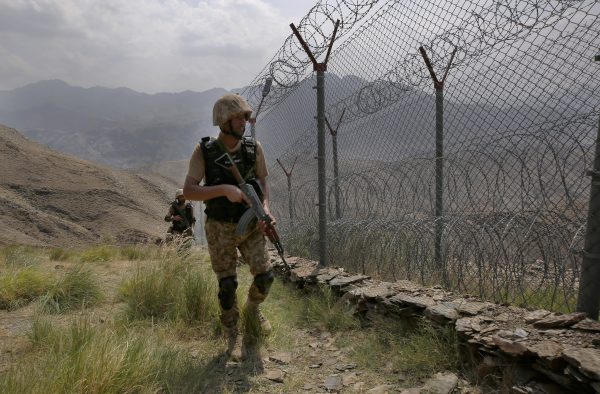
The Taliban, on the other hand, has built a functioning, if limited, governance system. It collects taxes, controls borders, and runs security institutions. This de facto state structure allows it to exert constant pressure on rivals, including ISKP.
Counterterrorism dynamics further weakened ISKP. The group confronts pressure from the Taliban, Pakistan, regional states, and international intelligence networks.
Facing multiple enemies at once has left it vulnerable and fragmented.
In simple terms, ISKP lacks local legitimacy, sustainable funding, and institutions. The Taliban, despite international isolation and internal challenges, benefits from territorial control, social embedding, and a basic governance framework.
The outcome highlights a clear lesson: in Afghanistan, groups rooted in local realities have outlasted those driven by rigid, global ideological ambitions.