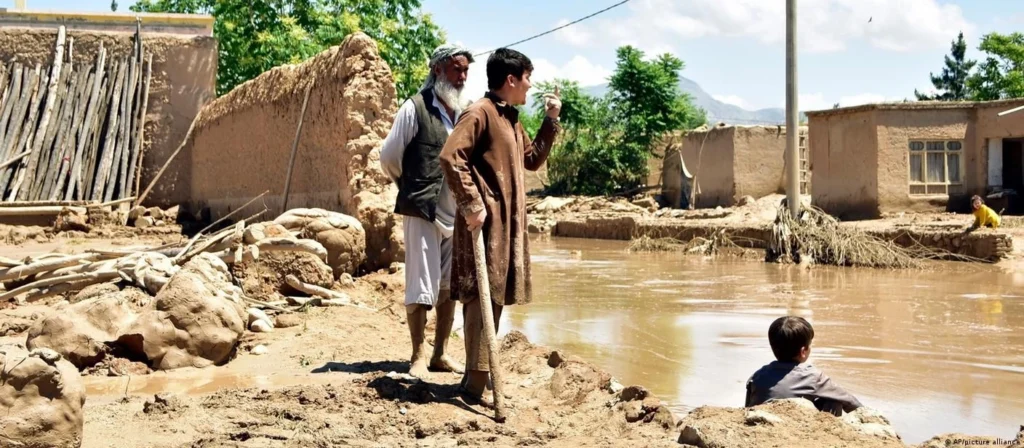
Islamabad/Kabul: Conflicting claims have emerged following a recent airstrike in Kabul. On one hand, reports suggest civilian casualties, while on the other, information indicates that the actual target was a drone manufacturing facility.
Foreign media reports cited an Afghan woman, claiming large-scale casualties; however, these figures have not been independently verified, and the United Nations has yet to release any official report.
However, this tragedy also raises serious questions about the actions of the Afghan Taliban. For years, families in Pakistan have faced similar losses. In cities like Peshawar, Bannu, and Quetta, many mothers have buried their children after attacks linked to Tehreek-e-Taliban Pakistan. Pakistani officials say these attacks were planned and launched from Afghan soil.
At the same time, security data highlights the scale of the threat. According to the Global Terrorism Index 2026, Pakistan recorded over 1,100 terrorism deaths in 2025. This has increased pressure on the state to act against cross border threats.
Meanwhile, international law is clear. Governments must ensure that their territory is not used by armed groups to attack others. Critics argue that the Afghan Taliban have failed to meet this responsibility. Pakistan maintains that its response falls under its right to self defence.
In addition, emerging reports suggest the Kabul site may have been more than a civilian facility. Evidence indicates that parts of the location were used for making suicide drones. If confirmed, it raises serious concerns about the Taliban placing military infrastructure near civilians.
This leads to a difficult but important question. If armed groups operate from within civilian areas, who is responsible when those areas are targeted?
As the debate continues, the focus is shifting toward accountability. Preventing such tragedies will require not just sympathy, but clear action to stop militant activity and protect civilian lives on all sides.