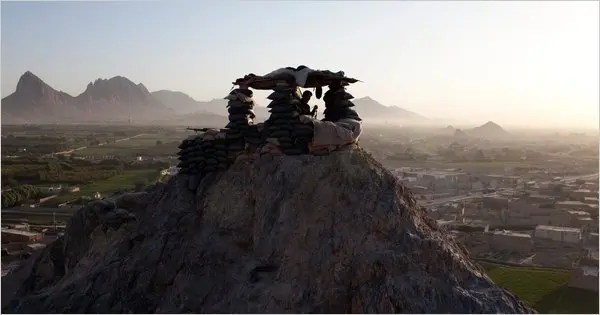
Recent reports circulating about diplomatic and security-level activity in Kandahar have sparked renewed debate over regional geopolitics. Various sources claim that both regional and extra-regional actors are expanding their engagements inside Afghanistan, prompting fresh speculation about shifting strategic alignments.
According to experts, Afghanistan’s current political situation has once again placed it at the crossroads of competing regional interests. Analysts note that the country’s strategic geography continues to draw the attention of multiple powers seeking influence in South and Central Asia.
A new phase of diplomatic engagement in Afghanistan
Since the establishment of the Taliban government, several countries have developed behind-the-scenes or limited forms of engagement with Kabul. Analysts say that evolving alignments in South and Central Asia are turning Afghanistan back into a key hub of diplomatic activity. In such an environment, any unusual meeting or contact is immediately viewed through a security lens, even when full details remain unclear.
Border security and the Balochistan context
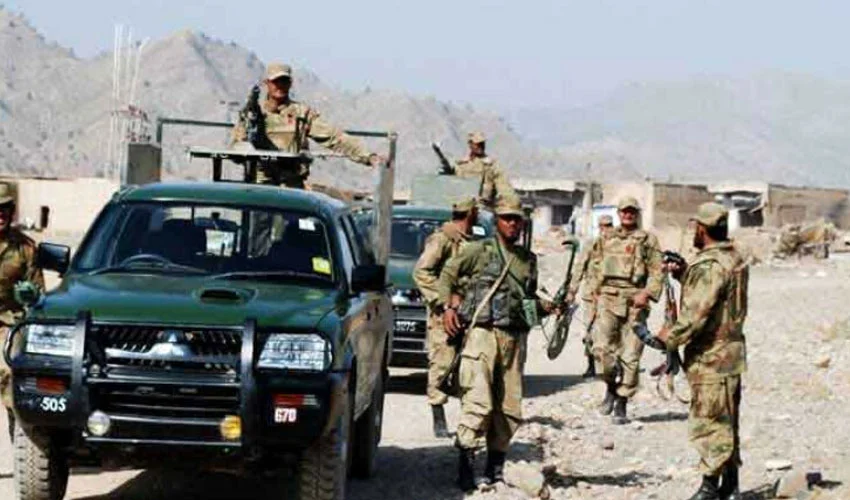
Both Pakistan and Iran have faced sensitive security situations along their border regions due to militant activity. As a result, any potential developments in Afghanistan are increasingly being linked to internal security concerns in these neighboring states.
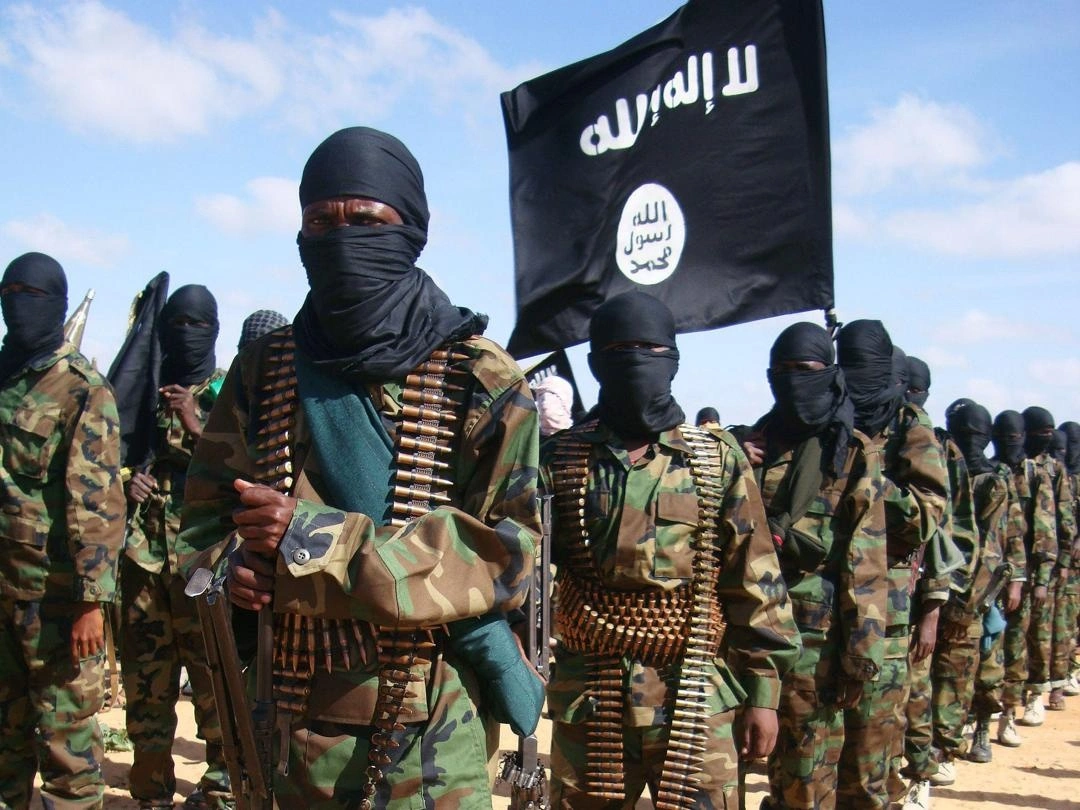
Experts caution that if cross-border elements receive any form of facilitation or undeclared support, it could escalate regional tensions. However, they stress that firm conclusions require concrete evidence rather than speculation.
Regional interests and the economic dimension
China, Pakistan, and Iran all hold significant economic and strategic interests in the region. The presence of economic corridors, border trade, and energy projects has made security considerations even more sensitive. Analysts argue that stability or instability in Afghanistan could directly affect these initiatives, prompting each country to shape its diplomatic posture according to its security priorities.
Potential security concerns
If new military or political alignments emerge in the region, their impact would extend beyond Pakistan, Iran, and Afghanistan, potentially affecting the broader regional balance. However, most current reports rely on unverified sources, making cautious analysis essential. Security experts emphasize that policy decisions should be based on practical evidence rather than assumptions.
Need for counterterrorism cooperation
The evolving situation underscores the need for Pakistan, Iran, and Afghanistan to enhance border cooperation and intelligence sharing. Experts suggest that joint patrols, diplomatic engagement, and economic inclusion can help promote regional stability. They add that sustainable peace cannot be achieved through military measures alone and requires parallel political and economic strategies.
Reports emerging from Kandahar have generated new speculation across the region, but a balanced and careful assessment is necessary before drawing any conclusions. Afghanistan remains a sensitive center of regional geopolitics, where even limited diplomatic or security developments can carry far-reaching implications.
Read more: Kalat IBO Foils Major Terror Plot as 12 BLA Militants are Eliminated: ISPR