Zalmay Khalilzad’s latest visit to Kabul and his meeting with Taliban Foreign Minister Amir Khan Muttaqi has been presented by the Afghan side as the start of a “new phase” in relations with the United States.
In reality, the engagement reflects continuity rather than change. Washington’s position since August 2021 remains clear: dialogue with the Taliban is pragmatic, limited, and issue-based, not a step toward diplomatic recognition.
According to Taliban statements, Muttaqi discussed bilateral relations, opportunities and challenges with Zalmay Khalilzad, claiming that post-withdrawal interaction has entered a new phase.
Khalilzad, in turn, reportedly welcomed what he described as improvements in security and reconstruction and stressed the importance of continued dialogue.
US policy signals, however, tell a different story. The United States continues to withhold formal recognition, keeps nearly $7 billion in Afghan central bank assets frozen, and maintains sanctions constraints, citing concerns over women’s rights, inclusive governance and counterterrorism commitments.
Security claims clash with UN assessments
Taliban assertions of stable security stand in sharp contrast to international findings.
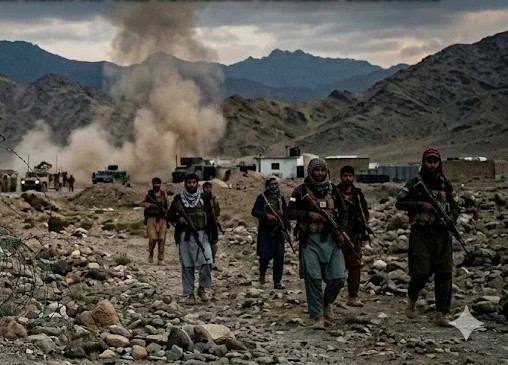
The United Nations Monitoring Team has repeatedly assessed that claims by the de facto authorities that no terrorist groups operate from Afghan soil are “not credible.”
More than 20 militant organizations, including ISIL-K, al-Qaeda affiliates, and the Tehrik-e-Taliban Pakistan (TTP), remain active in Afghanistan, according to UN reporting.
ISIL-K continues to demonstrate resilience and the capability to plan regional and external attacks, while UN assessments also document the Taliban’s failure to dismantle TTP networks responsible for hundreds of attacks in Pakistan.
These findings directly challenge narratives of comprehensive stability and underscore that security remains uneven and contested across Afghanistan and its borders.
نن د ا.ا.ا د بهرنیو چارو وزیر محترم مولوي امیر خان متقي سره د افغانستان لپاره د امریکا متحده ایالتونو پخواني ځانګړي استازي ښاغلي زلمي خلیلزاد وکتل.
— Ministry of Foreign Affairs – Afghanistan (@MoFA_Afg) December 28, 2025
په دې ناسته کې د افغانستان او متحده ایالتونو د دوو اړخیزو اړیکو د پراختیا پر لارو چارو، فرصتونو او ستونزو هر اړخیزې خبرې وشوې. pic.twitter.com/Xh6ihTAt03
Optics for Kabul, conditions for Washington
For Kabul, publicizing meetings with US figures helps project an image of international acceptance at a time when Afghanistan remains isolated from major multilateral platforms.
For Washington, the calculus is different. US officials continue to frame contacts as technical discussions focused on humanitarian access, sanctions exemptions, and managing security risks, not political normalization.
Four years after the US withdrawal, fundamental disagreements persist over counterterror enforcement, governance, and rights.
Dialogue may continue, but without verifiable action against terrorist groups and tangible improvements on rights and inclusion, engagement will remain transactional and closely monitored.
Meetings and statements alone do not alter the underlying reality shaping Afghanistan’s regional and international standing.
Read more: ‘The Hindu’ Calls 2025 a Diplomatic Setback for Modi Government