Malnutrition in IIOJK: How Hunger is Used as a Tool of Occupation
Chronic malnutrition in IIOJK reflects structural violence under occupation, driven by militarization, lockdowns and disrupted food systems.
5 min read
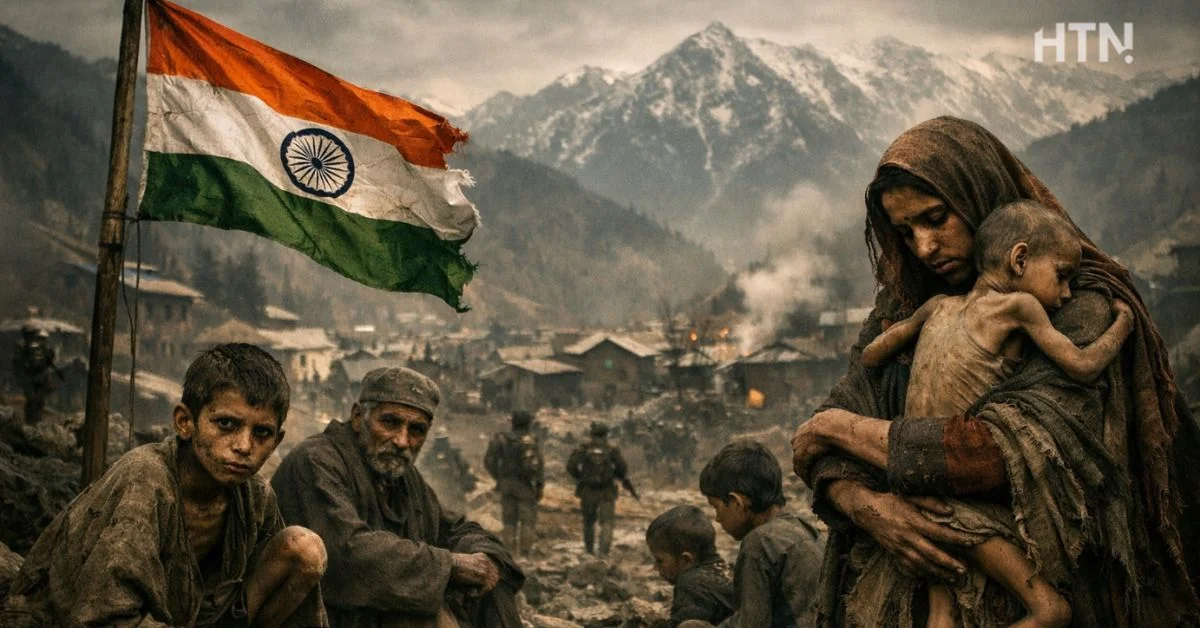
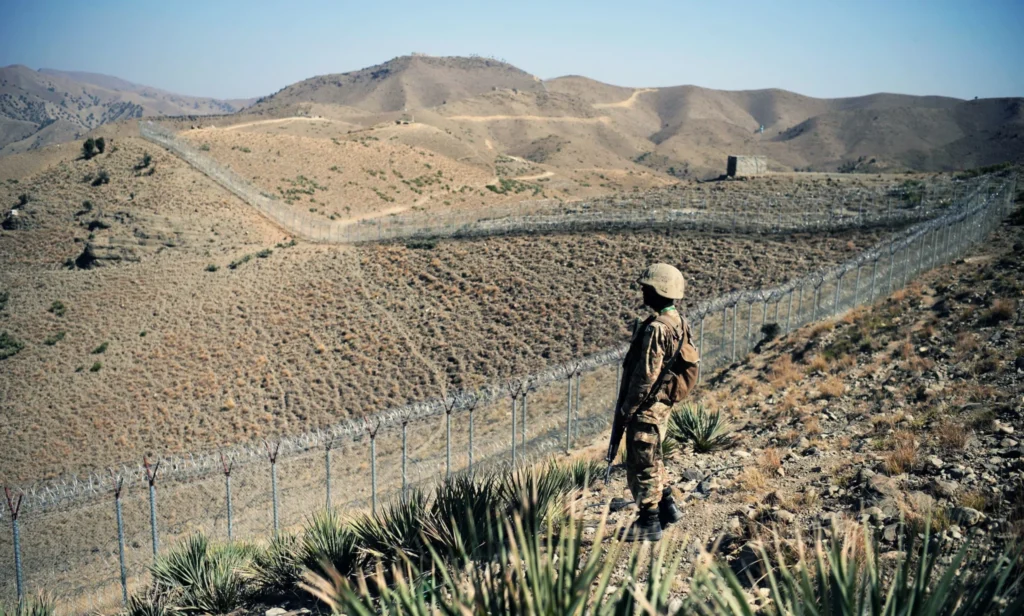
Beyond slogans and speeches, malnutrition in IIOJK exposes how prolonged militarization and lockdowns have turned hunger into structural violence [IC: by AFP]
Every year on February 5, Kashmir Solidarity Day serves as a reminder of the unresolved political dispute surrounding Jammu and Kashmir. While diplomatic statements and protest rallies highlight questions of self-determination and human rights, a far less visible crisis continues to erode the lives of ordinary Kashmiris: chronic malnutrition.
In Indian Illegally Occupied Jammu and Kashmir (IIOJK), hunger has emerged not as an accidental outcome of poverty, but as a structural consequence of prolonged militarization.
The crisis of malnutrition represents an assault on the physical survival, cognitive development and generational health of the Kashmiri population.
On Kashmir Solidarity Day, Pakistan renews its unwavering support for the people of Jammu & Kashmir. Their struggle for self-determination is recognized under @UN resolutions, and our solidarity remains steadfast. Justice for Kashmir. Peace for the Region. Freedom for the People. pic.twitter.com/N6FmiZCoMM
Malnutrition in conflict zones rarely manifests as sudden famine. Instead, it unfolds slowly through restricted access to food, disrupted livelihoods, environmental degradation, and weakened health systems.
In IIOJK, decades of military occupation have dismantled local food systems, undermined agricultural sustainability, and normalized food insecurity. The result is a silent humanitarian emergency that disproportionately affects children, women, and marginalized rural communities.
The Militarization of Land and Livelihoods
IIOJK is widely recognized as one of the most militarized regions in the world, with an estimated 900,000 Indian security personnel deployed across the territory. This heavy military presence has transformed civilian landscapes into zones of surveillance and control.
Agricultural land, orchards, and grazing areas have been occupied for military camps, bunkers, and roads, directly reducing the land available for food production.
HTN EXCLUSIVE On Kashmir Solidarity Day, Pakistan renews its unwavering support for the people of Jammu & Kashmir. Their struggle for self-determination is recognized under UN resolutions, and our solidarity remains steadfast. Justice for Kashmir. Peace for the Region. Freedom… pic.twitter.com/ieyt6AXv0U
Kashmir’s economy has historically relied on agriculture and horticulture, particularly rice cultivation, apple orchards, and saffron farming. Militarization has disrupted these systems by restricting farmers’ access to fields, shortening cultivation seasons due to security lockdowns, and increasing the costs and risks associated with farming.
The conversion of fertile land into military infrastructure has contributed to agrarian de-development, forcing many households to abandon farming altogether.
This erosion of livelihoods directly impacts household food security. When families lose stable income and access to home-grown food, they become dependent on volatile markets and external supply chains-systems that are themselves frequently disrupted by political instability.
Lockdowns, Communication Blackouts, and Food Insecurity
Beyond land appropriation, repeated lockdowns, curfews, and communication blackouts have intensified food insecurity across IIOJK. Since 2019, prolonged restrictions on movement and commerce have interrupted food supply chains at critical moments.
Transport of fresh fruits, vegetables, dairy products, and infant formula is often delayed or halted entirely.
JUST IN!! On Kashmir Solidarity Day, President @AAliZardari Zardari reaffirmed Pakistan’s moral, political, and diplomatic support for Kashmiris, condemned post-August 2019 measures, and urged the international community to ensure implementation of UN resolutions. pic.twitter.com/2I579VXZbh
These disruptions have severe nutritional consequences. Fresh and nutrient-dense foods become scarce or unaffordable, pushing households toward monotonous, carbohydrate-heavy diets.
Protein-rich foods, fruits, and vegetables—essential for child growth and maternal health—are consumed irregularly or eliminated altogether.
For infants and young children, interruptions in access to formula and complementary foods can result in irreversible developmental damage.
Scholars describe this phenomenon as “slow violence,” where harm accumulates gradually and invisibly over time.
In IIOJK, malnutrition reflects not a single policy failure but the cumulative impact of repeated restrictions on daily life.
Nutritional Indicators: Evidence of a Public Health Emergency
Available health data underscores the severity of the nutritional crisis. According to India’s National Family Health Survey (NFHS-5), nearly all districts in Jammu and Kashmir exhibit levels of stunting and anemia categorized as a “public health concern.”
Stunting, defined as low height-for-age, reflects chronic undernutrition and prolonged exposure to food insecurity.
Anemia rates are particularly alarming. More than 70 percent of children aged 6–59 months are anemic, along with a significant proportion of pregnant and lactating women.
Anemia compromises immunity, cognitive development, work capacity, and maternal survival. These indicators are not consistent with claims of improved governance or stability; rather, they reveal long-term nutritional deprivation rooted in structural conditions.
Wasting, or low weight-for-height, further highlights periods of acute food shortage, often coinciding with lockdowns or economic shutdowns.
Together, these indicators present a biological record of life under militarized control.
Environmental Degradation and Food System Collapse
Militarization has also contributed to environmental stress, compounding food insecurity. Construction of military infrastructure in ecologically sensitive areas has disrupted fragile mountain ecosystems. Damage to glaciers, deforestation, and contamination of water sources threaten irrigation systems critical for rice and horticulture.
Climate change intensifies these challenges, but occupation-driven environmental degradation reduces the resilience of local food systems.
Declining water availability and soil fertility directly affect crop yields, increasing dependence on external food supplies that remain vulnerable to political disruptions.
Gendered Dimensions of Malnutrition
The nutritional crisis in IIOJK is deeply gendered. Women face disproportionate burdens due to restricted mobility, limited economic opportunities, and unequal access to healthcare. Pregnant and lactating women are particularly vulnerable, as nutritional needs increase during these periods.
Maternal malnutrition contributes to low birth weight, preterm births, and increased infant mortality.
Children born to malnourished mothers are more likely to experience stunting, perpetuating an intergenerational cycle of undernutrition.
This “mother-child nutrition trap” ensures that the consequences of food insecurity extend far beyond immediate hunger.
Girls and women also tend to eat last and least in food-insecure households, exacerbating micronutrient deficiencies. Thus, malnutrition in IIOJK is not only a public health issue but also a manifestation of structural gender inequality under occupation.
Malnutrition as a Human Rights Violation
International humanitarian and human rights law clearly recognizes access to adequate food as a fundamental right.
The Fourth Geneva Convention prohibits collective punishment and the destruction of resources essential to civilian survival in occupied territories. Yet in IIOJK, food insecurity has become normalized through policies that restrict movement, dismantle livelihoods, and undermine food sovereignty.
JUST IN !! Restrictions were tightened in Srinagar ahead of Indian Home Minister Amit Shah’s visit, with forces launching surprise search operations in Abi Guzar, sealing entry points, frisking civilians, and conducting identity checks, triggering fear among local residents. pic.twitter.com/Tuwxbz93Y3
The denial of adequate nutrition constitutes a violation of the right to health, the rights of the child, and the rights of women.
It demands international scrutiny not as a development challenge but as a humanitarian and legal concern. Silence and inaction risk legitimizing hunger as an acceptable byproduct of political control.
Beyond Symbolic Solidarity
On Kashmir Solidarity Day, global attention must move beyond symbolic gestures to confront the lived realities of the Kashmiri people.
Malnutrition in IIOJK is not an inevitable outcome of geography or poverty; it is the predictable result of prolonged militarization, economic disruption and environmental degradation. Hunger, when systematically produced, becomes a tool of control.
Recognizing malnutrition as a form of structural violence is essential for any meaningful discourse on human rights and justice in Indian-occupied Kashmir.
The international community, including the United Nations and World Health Organization, must acknowledge and address food deprivation in IIOJK as a violation of basic human dignity because survival itself should never be damaged.
Faseeha Aman
Dr. Faseeha is an Assistant Professor of Human Nutrition at RIPHAH International University Islamabad with 7 years of experience. Her research focuses on addressing malnutrition, exploring its causes, consequences, and interventions. With a passion for improving nutrition outcomes, she aims to contribute to evidence-based solutions for a healthier community.
 Skip to content