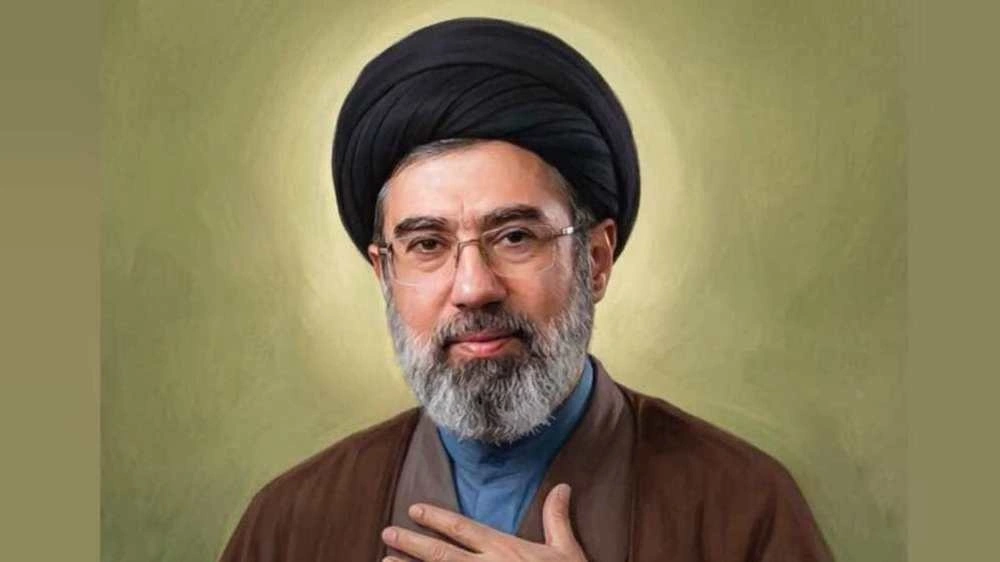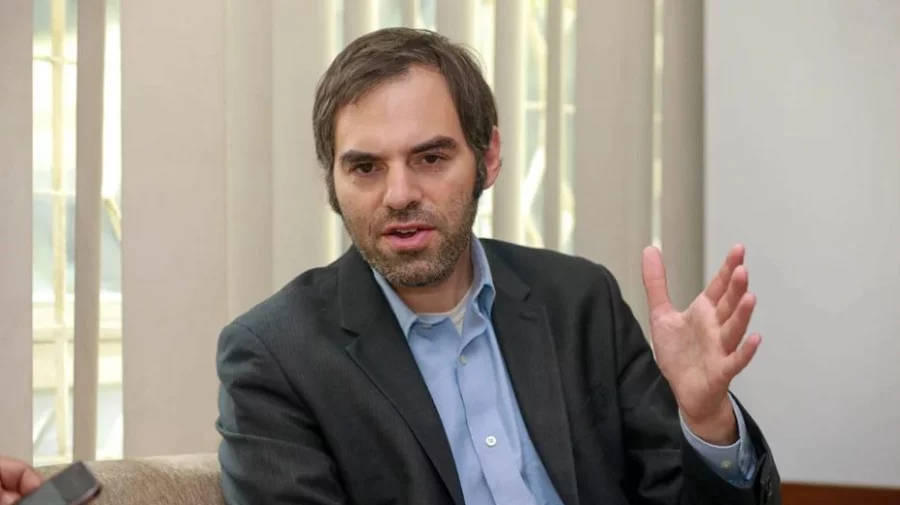
Recent tweets by Michael Kugelman on the January 31 terrorist attacks in Balochistan reveal a troubling shift from evidence-based analysis to narrative alignment. By framing the violence as a “signal” of militant strength or a “response” to security operations, his commentary risks normalizing terrorism rather than explaining it.
This report has important details and context re what’s happening in Balochistan today-one of its most violent days in quite some time. The information environment is often tricky in Balochistan.
— Michael Kugelman (@MichaelKugelman) January 31, 2026
H/T to @KiyyaBaloch on this one. https://t.co/Ynwmicx29z
Words matter, especially when they come from analysts whose views circulate in Western policy and media circles. The attacks in Balochistan were not abstract messages or strategic signals. They involved coordinated violence against civilians, buses, government offices and security personnel. Any analysis that begins with militant intent while sidelining victims immediately tilts the moral and factual balance.
Today’s attacks in Balochistan should serve as a wake up call to those, including in the White House, keen to invest in Pakistan’s critical mineral reserves. Many are in BN-including areas hit today. One of the BLA’s core grievances is external exploitation of local resources.
— Michael Kugelman (@MichaelKugelman) January 31, 2026
More concerning is the amplification of reporting that repeats militant claims, romanticizes insurgent imagery and treats terrorist violence as an outcome of political frustration. Sharing such material without firm qualification is not neutral context-setting. It is endorsement by omission.
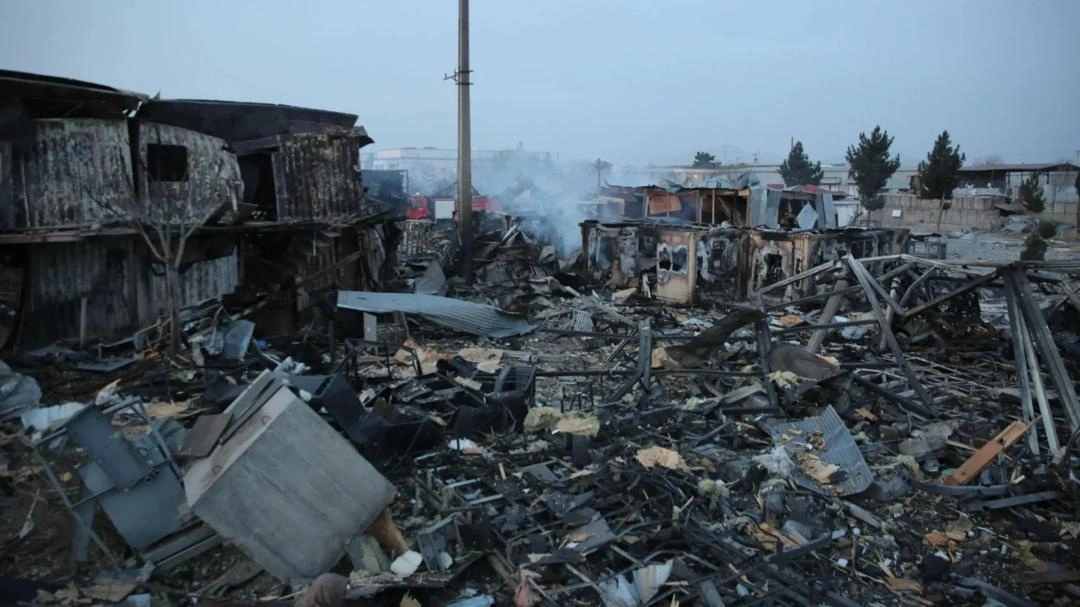
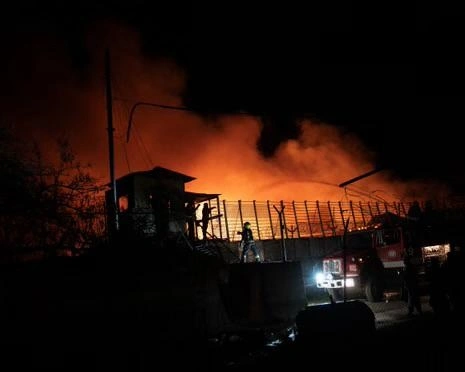
The scale of today’s coordinated attacks in Balochistan is staggering. Security forces, govt offices, a prison, civilians (including bus passengers), all targeted across province. May be response to security ops against BLA in recent days & BLA sending signal it’s still strong.
— Michael Kugelman (@MichaelKugelman) January 31, 2026
The weak “resource exploitation” argument
One of the central claims echoed in Kugelman’s commentary is that violence in Balochistan is driven by opposition to external exploitation of local resources. This argument does not stand up to basic scrutiny.
Beyond natural gas, no major mineral resource in Balochistan has been extracted at scale. Most of the province’s mineral wealth remains unexplored or at the planning stage. Yet armed rebellions in Balochistan occurred repeatedly in the 1950s, 1960s and 1970s decades before today’s development projects even existed. There was no extractive economy then to justify the claim of plunder.
Even in the case of gas from Sui, royalties were paid by the Pakistani state to the provincial government. The failure to translate that revenue into public welfare lies largely with local elite capture, not with some imagined external conspiracy. Historical insurgencies were driven mainly by power struggles between tribal elites and the state, disputes over administrative integration and center–province tensions not mass economic deprivation.
Crucially, today’s terrorism continues despite the absence of an active extraction economy, directly contradicting the idea that violence is a reaction to resource exploitation.
Terrorism is not separatism and labels do not change reality
Another recurring problem in international commentary is the casual description of the Balochistan Liberation Army (BLA) as a “separatist” group. This is factually incorrect. The BLA is a designated terrorist organization under Pakistani law and is also listed as such by the United States and the United Kingdom.
Separatism implies political mobilization, dialogue and negotiation. Terrorism is defined by deliberate violence against civilians. The BLA’s record includes suicide bombings, attacks on labourers, killings of bus passengers and assaults on civilian infrastructure. No international legal or moral framework reclassifies such actions as political resistance.
Rebranding terrorism does not soften its consequences. It only obscures accountability and erases victims. Analysts and media figures carry responsibility. When terrorism is explained away as grievance or strategy, violence is normalized and those who suffer are pushed to the margins.
Criticism of state policy is legitimate. Justifying or contextualizing terror is not. Terrorism does not become a political cause by repetition. Labels cannot overwrite bloodshed.
Read more: US Condemns Balochistan Terror Attacks, Reaffirms Support for Pakistan’s Fight Against Terrorism