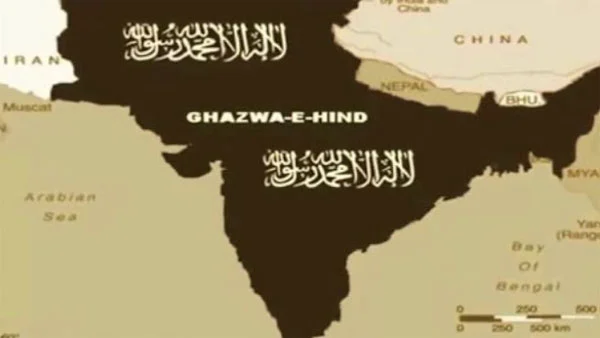
Web Desk: Al-Qaeda in the Indian Subcontinent (AQIS) has referenced a local South Asia based terrorist coalition in its latest propaganda magazine, signaling what analysts describe as possible ideological or organizational alignment.
In the newest issue of Nawa-e-Ghazwa-e-Hind, AQIS included an infographic titled “Overview of the Operations of Global Jihadist Fronts.” The graphic listed Ittehad-ul-Mujahideen Pakistan (IMP) alongside African militant groups such as Al-Shabaab and Jama’at Nusrat al-Islam wal-Muslimin (JNIM).
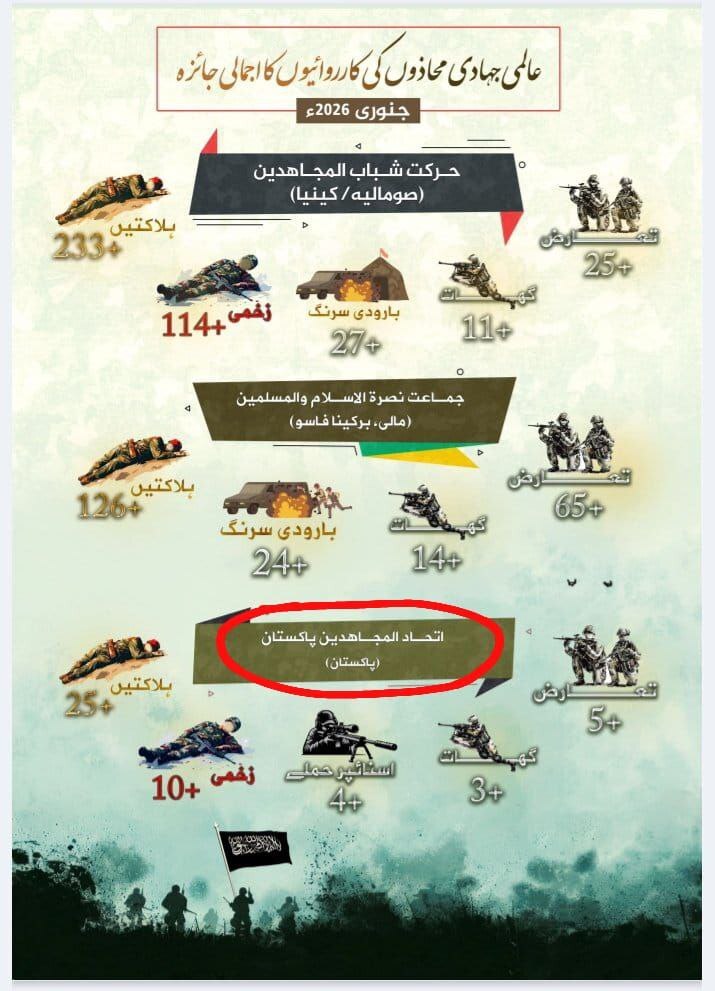
The inclusion marks the first time AQIS has publicly acknowledged IMP within its global overview of militant activity.
The infographic grouped IMP with other al-Qaeda-linked or affiliated organizations operating in Africa and elsewhere. Analysts say the move suggests a closer relationship between AQIS and the coalition, either at an ideological or operational level.
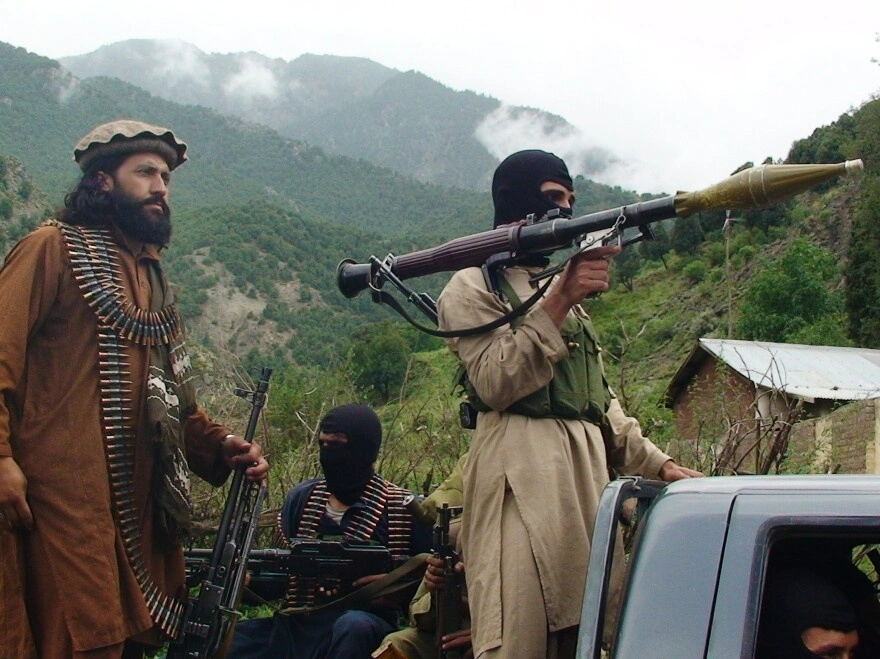
IMP consists of three terrorist factions. One of them, Harakat Inqilab Islami Pakistan, has drawn attention for adopting media tactics similar to those used by al-Qaeda’s central propaganda arm, As-Sahab Media.
Notably, the faction has launched its own website and begun distributing content that mirrors al-Qaeda’s messaging style. Observers say this reflects an effort to align its narrative and branding with the broader al-Qaeda network.
Although regional security observers have previously speculated about links between AQIS and elements within Pakistan-based militant groups, AQIS had not formally referenced IMP in its official publications until now.
By listing IMP attacks within a global infographic of militant operations, AQIS appears to place the coalition within its broader jihadist framework. The publication did not specify the nature of the relationship but presented IMP alongside established al-Qaeda affiliates.
Security analysts say the development could indicate an attempt by AQIS to consolidate influence or signal unity among aligned factions in South Asia. At the same time, the public mention may aim to boost the coalition’s profile among sympathizers.
Pakistan has faced longstanding challenges from militant groups operating within and across its borders. Authorities have repeatedly pledged to dismantle extremist networks and curb their propaganda reach.
It remains unclear whether the publication reflects operational coordination or primarily ideological solidarity. However, analysts say the messaging underscores AQIS’s continued efforts to position itself within a networked global militant movement.