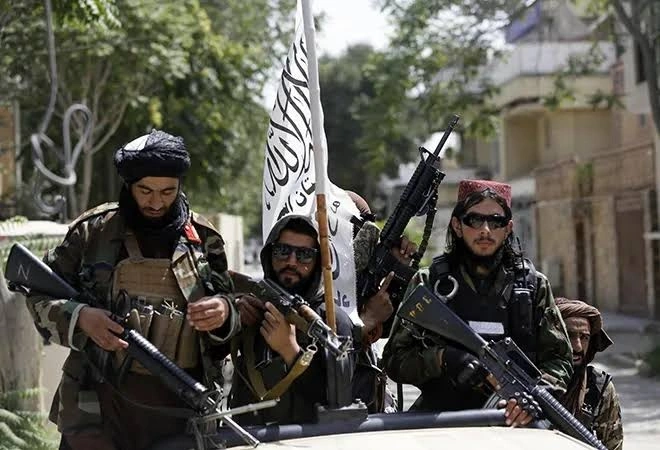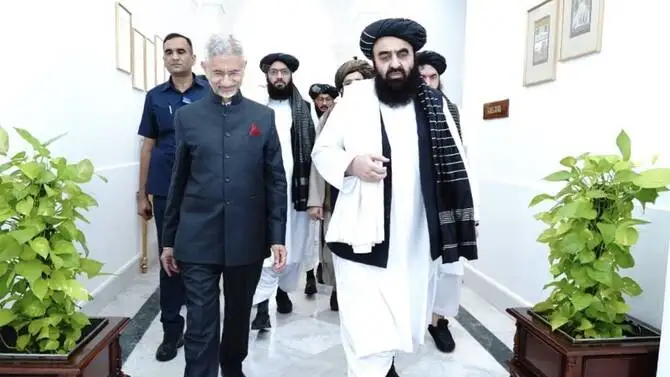
India’s recent response to Pakistan’s counterterrorism measures highlights more concern over failing strategies than a commitment to principle. For years, India portrayed itself as a victim of terrorism and criticized the Taliban as a regional threat. However, after the political changes in Kabul in 2021, India quietly opened channels with the Taliban. This sudden shift was not based on morality or consistency. It was a strategic move to maintain influence in Afghanistan and prevent Pakistan from gaining strategic depth.
The contrast is clear. When India engages with the Taliban for its interests, it is considered acceptable diplomacy. When Pakistan acts to protect its citizens from extremist threats spilling across the border, India reacts with criticism. This double standard reflects not principle but frustration over strategies that are no longer producing the expected outcomes.
Pakistan’s Resilience and Right to Self-Defense
Pakistan has paid a heavy price in its fight against terrorism. Thousands of civilians and security personnel have lost their lives. Schools, mosques, marketplaces, and homes have all been targeted by extremist groups. This is not a theoretical struggle or a political slogan; it is a real and ongoing fight for national security.
Pakistan’s counterterrorism measures are aimed at safeguarding its people and cannot be judged based on political narratives. Armed groups in Afghanistan operate independently and pose genuine, lethal threats. Pakistan’s actions demonstrate that it will not wait for approval from other countries to defend its citizens. Attempts to portray Pakistan as passive in the face of terror ignore the long history of resilience and sacrifice.
India’s criticism, therefore, appears less about peace and more about the failure of its proxy networks and strategic maneuvers. Its selective memory and inconsistent approach to Afghanistan weaken its position as a credible advocate for regional security. The international community must recognize that Pakistan’s counterterrorism actions are necessary and justified.
Ultimately, this episode underscores a clear lesson: regional security cannot be judged selectively. Pakistan’s right to defend itself is legitimate, and India’s moral outrage seems driven more by frustration over failed strategies than by concern for peace.