Skip to content
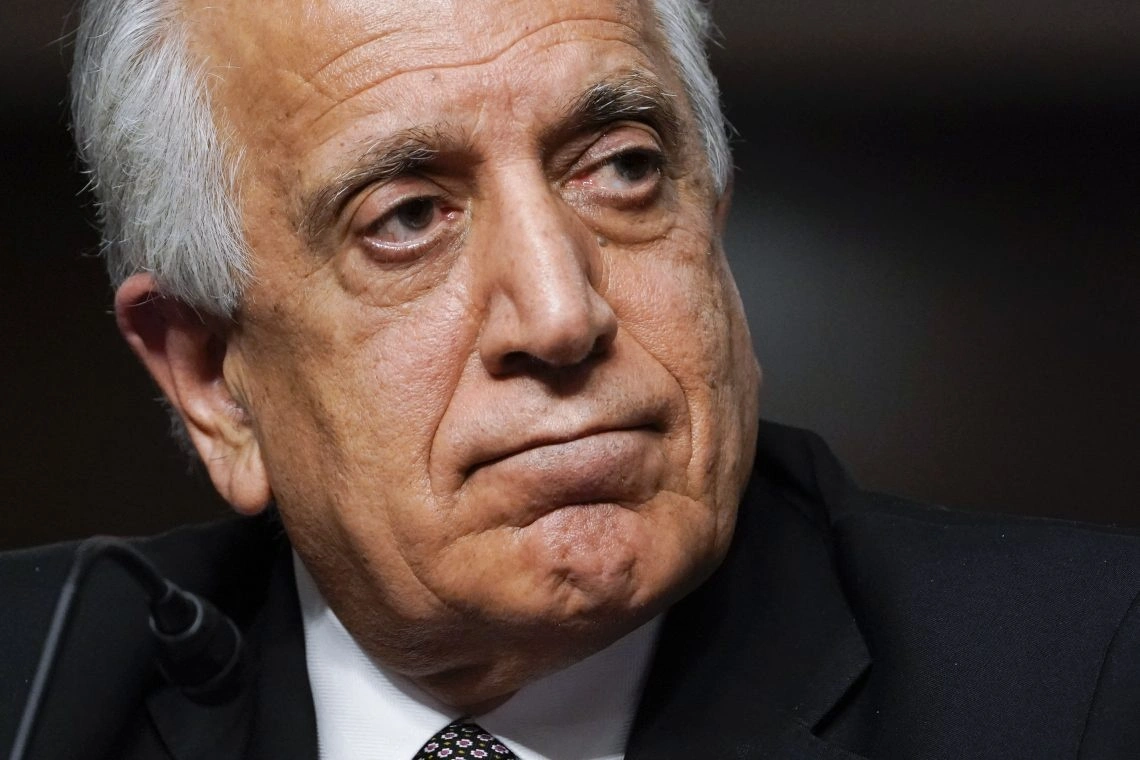
Former US diplomat Zalmay Khalilzad sparked controversy with a series of tweets criticizing the security situation in Balochistan and Khyber Pakhtunkhwa, calling it alarming. He claimed that attacks by Baloch militants in Balochistan and the Pakistani security operations in response have reached a tragic scale, while Khyber Pakhtunkhwa is also facing a severe crisis. Khalilzad further asserted that Pakistan’s popular political leader Imran Khan remains in jail under solitary confinement and that the cases against him are politically motivated.
Khalilzad described the Pakistani establishment as strict, suggesting that, from an external perspective, the state appears trapped in a deadlock. Drawing on his experience at RAND Corporation, he recommended “impartial analysis and effective solutions,” suggesting that Pakistan engage an independent, multi-disciplinary group of experts to assess its internal crises, including exploring political options.
Analysts Respond Critically
Pakistani analysts strongly criticized Khalilzad’s repeated tweets on Pakistan’s internal affairs, arguing that his statements are one-sided and fail to consider the full complexities of the country. They noted that the security challenges in Balochistan and Khyber Pakhtunkhwa are not purely internal but also linked to cross-border terrorism, regional instability, and external interference—factors that cannot be summarized in simple political narratives.
Analysts emphasized that Pakistan maintains a functioning political and constitutional process and an independent judicial system, making it inaccurate to link the affairs of a single political leader to a broader state crisis. They added that security forces operate to protect citizens and should not be viewed solely through the lens of the “establishment,” as doing so ignores on-the-ground realities.
Internal Solutions Over External Advice
Experts also highlighted that Pakistan is already engaged in internal dialogues and policy reviews on social, political, and economic issues, and that national interest decisions are made based on domestic realities, not external pressures or tweets. They concluded that the solution to Pakistan’s challenges lies in internal stability, democratic continuity, and regional peace, rather than in outside advice or commentary.