Newsflash:

UN Security Council to Vote on Extending Afghanistan Sanctions Monitoring Mandate

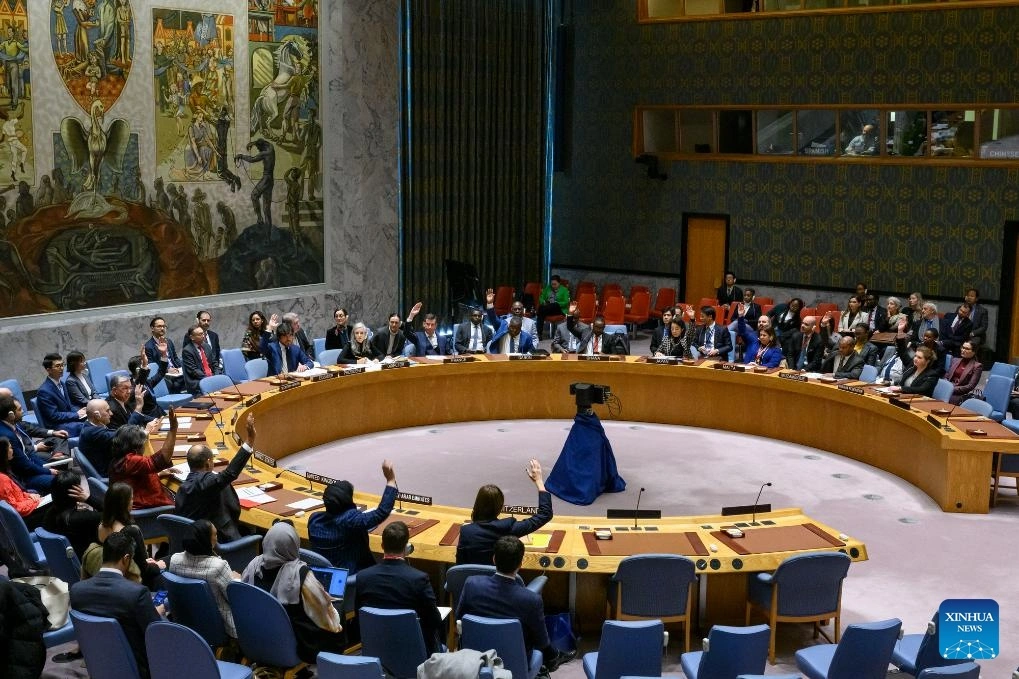
UN Security Council plans to vote on extending the mandate of the Monitoring Team overseeing sanctions on Taliban-linked entities in Afghanistan.

[read-estimate]

UN Security Council prepares to vote on extending Afghanistan sanctions monitoring

The UN Security Council is set to vote on extending the mandate of the Monitoring Team overseeing sanctions on Afghanistan[IC : by AFP]

February 3, 2026

New York — The UN Security Council is expected to vote later this February on a draft resolution to extend the mandate of the Analytical Support and Sanctions Monitoring Team, which provides technical support to the 1988 Afghanistan Sanctions Committee.

The Monitoring Team’s current mandate is set to expire on 17 February, and an extension would allow it to continue assessing and overseeing the implementation of UN sanctions related to Afghanistan.

The 1988 Sanctions Committee enforces asset freezes, travel bans, and arms embargoes on individuals and entities linked to the Islamic Emirate (Taliban). It also manages the sanctions list, reviews exemption requests, and supports UN member states with technical assessments, reports, and recommendations.

Analysts say the Monitoring Team plays a crucial role in maintaining accountability and transparency, ensuring sanctions are applied effectively and helping to identify potential loopholes. Extending its mandate is seen as an important step for sustaining international pressure on Taliban-linked entities amid ongoing concerns about regional security and compliance.


Related Articles

Record immigration from India to Canada and the rapidly changing demographics of cities like Toronto have sparked a new debate about the country’s resources and immigration policy.
CM Sohail Afridi is facing severe criticism for ignoring public issues over the Gomal University crisis and the dismissal of PhD teachers in KP.
A viral video from Nepal’s Annapurna Conservation Area shows locals confronting Indian tourists for littering and making them clean up their own waste, reigniting debate over tourist behaviour abroad.
Pakistan’s nuclear weapons architecture spans a complete land, air and sea triad covering every corner of India at three tiers of destructive yield, from the Nasr tactical missile to the Taimoor cruise missile and Hangor-class submarines now entering service.

Post a comment

Leave a Reply

Your email address will not be published. Required fields are marked *









