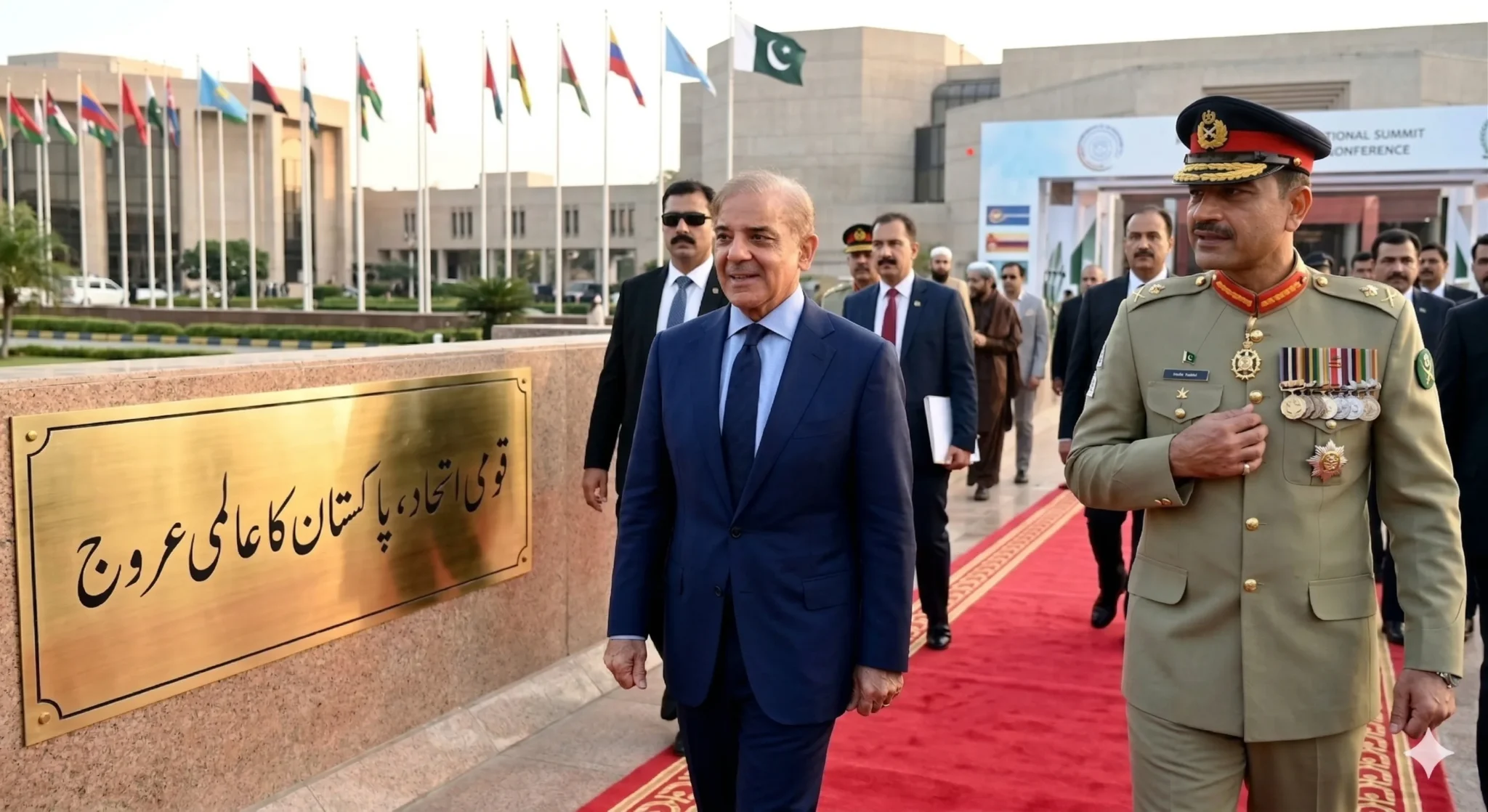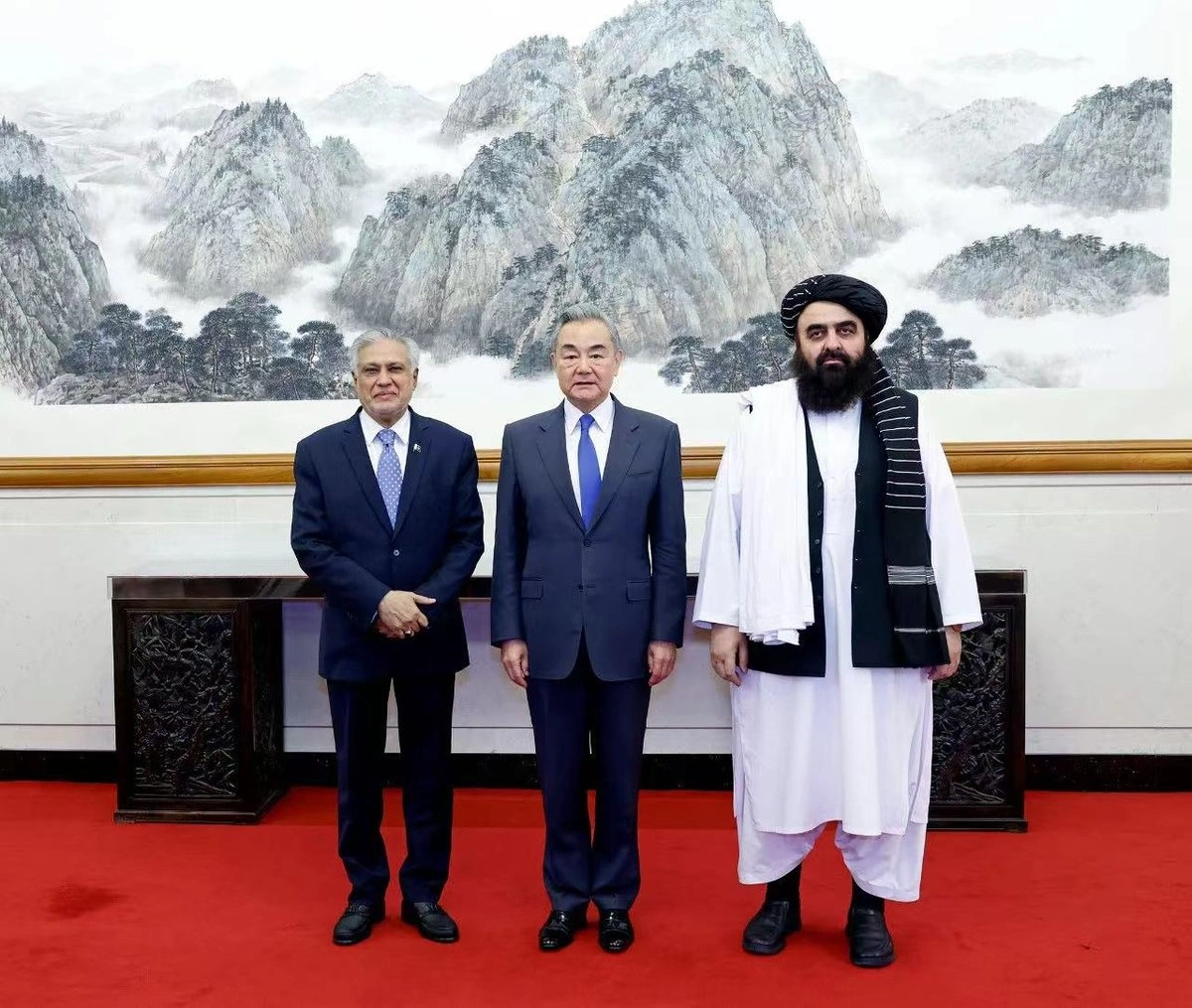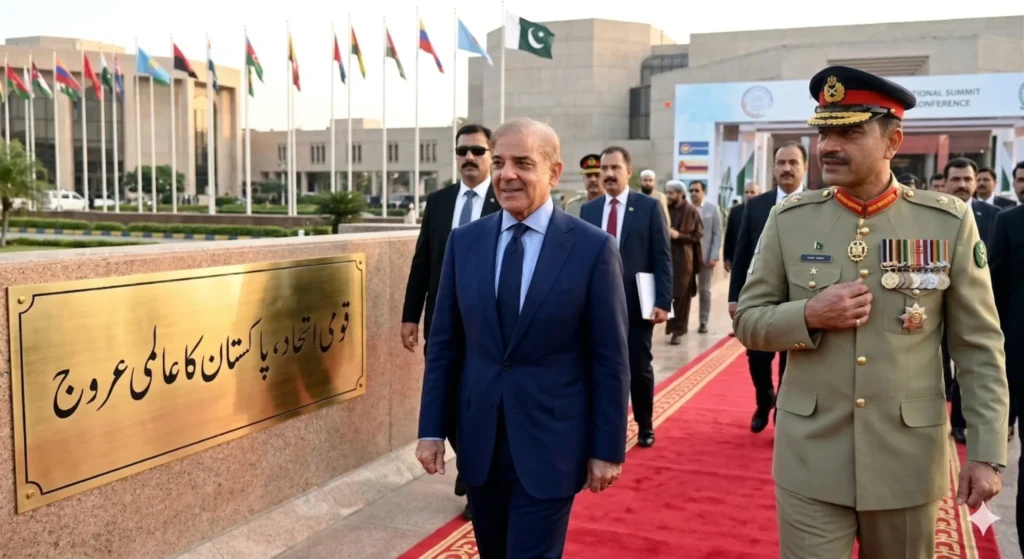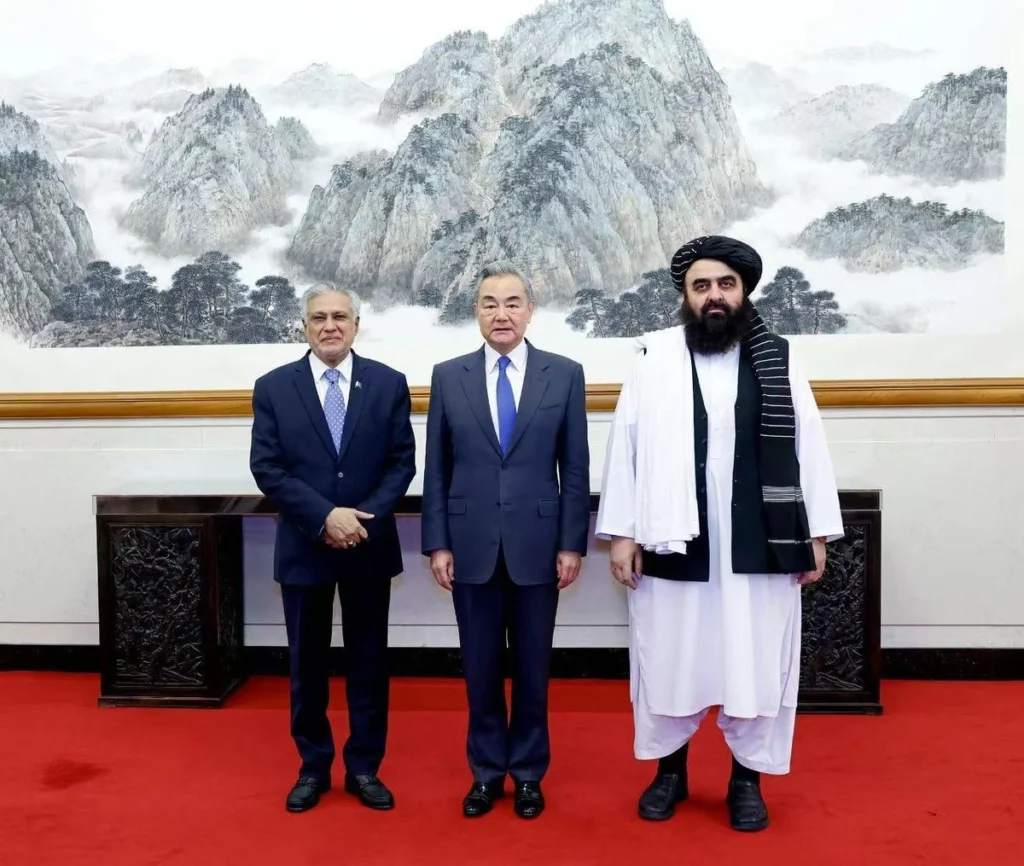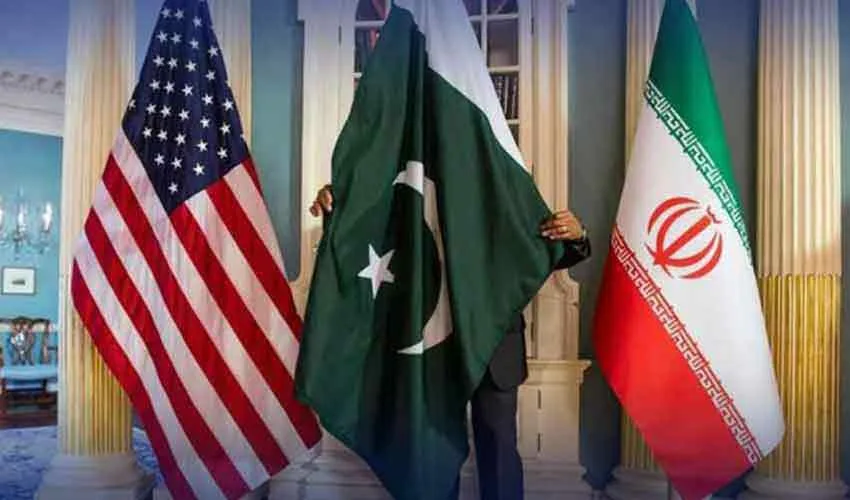
Pakistan’s role in mediating the US-Israel and Iran conflict has earned global recognition. While major powers were engaged in war, Pakistan chose the difficult path of diplomacy and peace. This decision highlighted the country’s commitment to stability rather than short-term gains.
Instead of joining the conflict for financial or political reasons, Pakistan focused on preventing further damage to the region. Experts note that entering the war would have escalated violence, harmed the Muslim world, and caused more destruction in Iran. Pakistan’s choice demonstrates responsibility and moral foresight.
Some critics, however, have accused Pakistan of participating in a so-called “Dollar War.” These claims are misleading and ignore the careful strategy behind Pakistan’s actions. By choosing peace, Pakistan maintained its independent foreign policy while managing financial obligations and international relations.
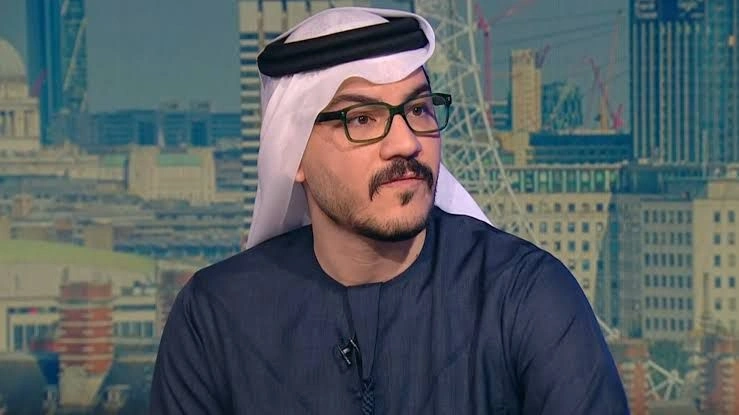
Negative narratives against the country’s leadership and institutions can have damaging effects. They weaken public trust and reduce national resolve. Analysts warn that such criticism, often motivated by political agendas, undermines Pakistan’s credibility on the world stage.
Despite the criticism, Pakistan continues to prioritize national interest and regional stability. Its approach shows that diplomacy and unity are more powerful than taking sides in conflict.
The country’s stance serves as a strong example of principled decision-making. By standing firm, Pakistan has proven that it values peace, independence, and global responsibility over temporary gains. In challenging times, this strategy strengthens Pakistan’s reputation and sets a path toward long-term stability.