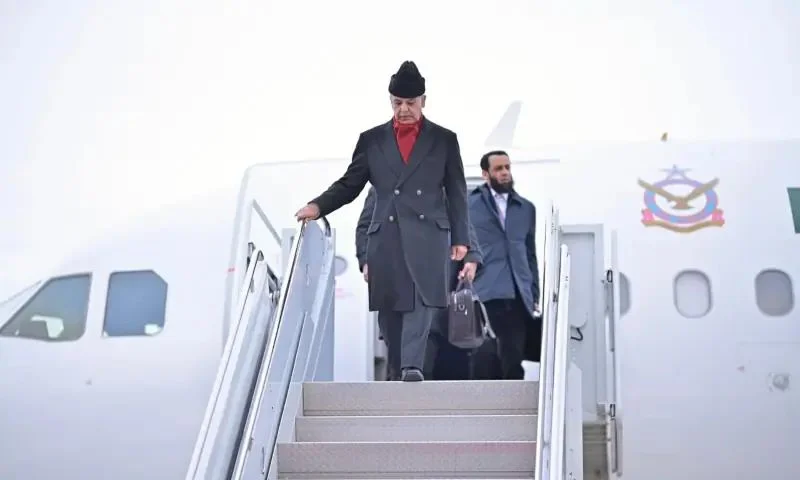
Prime Minister Shehbaz Sharif’s recent visit to Washington, D.C. highlighted Pakistan’s growing importance in global diplomacy. The reception he received was far beyond routine protocol. A 50‑vehicle motorcade awaited him at the airport, supported by specialized security units, medical response teams, communication jammers, and aerial surveillance. Dedicated routes were secured, traffic was halted during his movement, and his residence was fully safeguarded by U.S. authorities. Such comprehensive arrangements are reserved only for leaders of nations considered strategically significant, sending a clear signal about Pakistan’s stature.
Symbolism Beyond Ceremony
This was not merely ceremonial grandeur. It reflected the weight Pakistan now carries in regional stability, counter‑terrorism cooperation, economic connectivity, and shifting geopolitical alignments. For years, Pakistan’s role was acknowledged in policy papers and dialogues, but now it is being demonstrated through visible action and respect at the highest diplomatic levels. The reception accorded to the Prime Minister underscored that Pakistan is viewed as a consequential state whose partnership matters in shaping regional and global outcomes.
Pakistan’s Diplomatic Re‑Emergence on the Global Stage
In global diplomacy, protocol is never accidental; it is a deliberate signal of status. The extraordinary arrangements during Shehbaz Sharif’s visit marked Pakistan’s confident re‑emergence on the international stage. Through consistent engagement, strategic clarity, and responsible leadership, Pakistan has reinforced its relevance. The message was clear: Pakistan is no longer on the periphery of global decision‑making. It is an essential participant whose voice and leadership command recognition and respect. For the people of Pakistan, this moment represents pride and encouragement, showing that their country is once again being acknowledged as a key player in shaping the future of international affairs.
![American federal agencies and local police have exposed large-scale human trafficking and organized crime networks operated by Indian nationals across multiple states [IC : by AFP]](https://htnworld.com/wp-content/uploads/2026/02/WhatsApp-Image-2026-02-19-at-15.14.16.webp)