
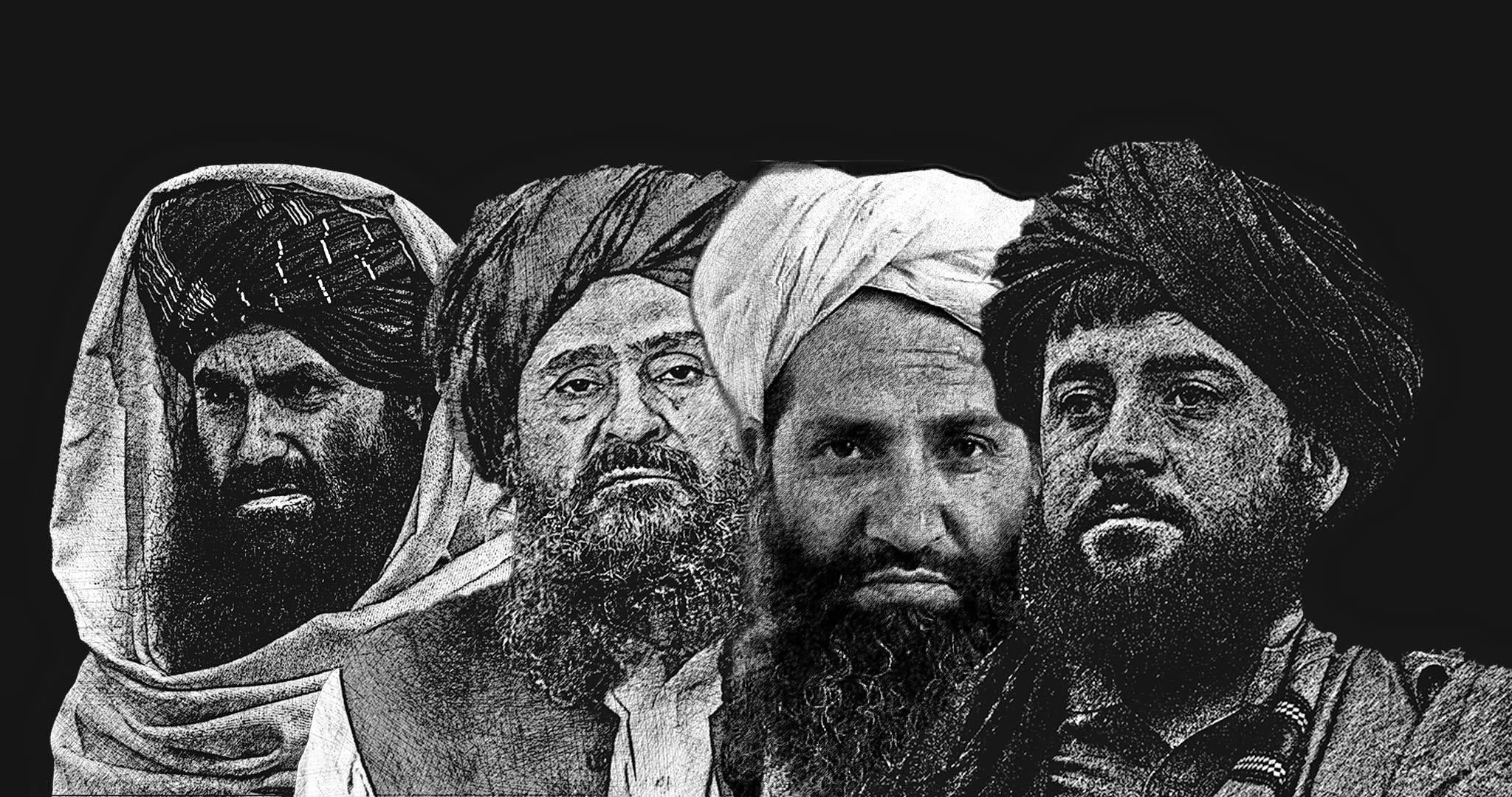
Afghanistan’s internal situation has worsened under Taliban rule, with what many describe as a “peace of the graveyard.” Political opponents and those who dare to speak against the Taliban are targeted, while ethnic minorities face widespread discrimination. Reports indicate that Dari and Uzbek languages are increasingly sidelined, and almost all important positions of power are held by Pashtun Taliban leaders.
Even within the Pashtun community, leadership is concentrated among the Durrani and Ghilzai tribes. Non‑Pashtun representation exists only symbolically. For example, Qari Fasihuddin, a Tajik appointed as the Taliban’s military chief, is said to hold little real authority. Observers note that even the spokesman of the Ministry of Defense enjoys more influence than him. This reflects a broader pattern where minority figures are given titles but excluded from actual decision‑making.
Marginalization of Non‑Pashtun Provinces
Discrimination extends to the provinces, where nearly all governors are Pashtun Taliban. In non‑Pashtun regions, local populations struggle because Taliban officials from the south often do not understand Dari or Persian, while residents do not speak Pashto. This language barrier deepens mistrust and alienation. Kabul, a city with a majority of Tajiks and Uzbeks, is run entirely by non‑Tajik and non‑Uzbek officials. Some Baloch commanders reportedly enjoy more power than Tajik and Uzbek leaders, further highlighting the imbalance.
Ethnic Divides Deepen Under Taliban Leadership
These insights were shared in a podcast discussion with Afghan analyst Nisar Ahmad Sherzai, based in Delhi, India. He emphasized that the Taliban leadership does not trust other ethnic groups, and even within Pashtuns, power is limited to select tribes. The current Kabul mayor, Molvi Basheer, is described as a powerful figure with his own militias, allegedly involved in supporting militant activities across the border in Pakistan. Such developments underline the disturbing ethnic and political divides shaping Afghanistan today.











