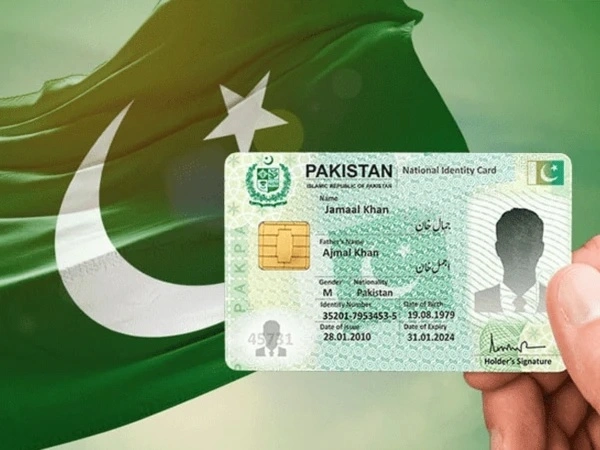
In this regard, I conducted research on why Pakistani citizens—particularly former FATA tribes and residents of Khyber Pakhtunkhwa—have their identity cards blocked and why some are detained under the assumption that they are Afghan citizens. Based on the information I gathered, there are two main reasons for this.
First, some corrupt elements within NADRA, for large sums of money, would insert the name of an Afghan citizen into a Pakistani family’s record (family tree) without the knowledge of the Pakistani citizen. When the Afghan individual’s presence was discovered, the entire family’s identity cards were blocked until verification was obtained from local elders, influential persons, or the relevant district political agent.
Second, after the 1978 Soviet-Afghan war, Afghan nationals who settled in these areas obtained Pakistani identification documents, effectively becoming Pakistani citizens. As a result, their ID cards were blocked and they were detained.
According to this research, Pakistan should have treated these two groups differently under the Constitution. Genuine Pakistani citizens should be asked for verification without being detained, as it is their constitutional right. In contrast, the second group should be detained, have their identity cards confiscated, and be deported to Afghanistan, while the corrupt NADRA officials responsible should be held accountable.
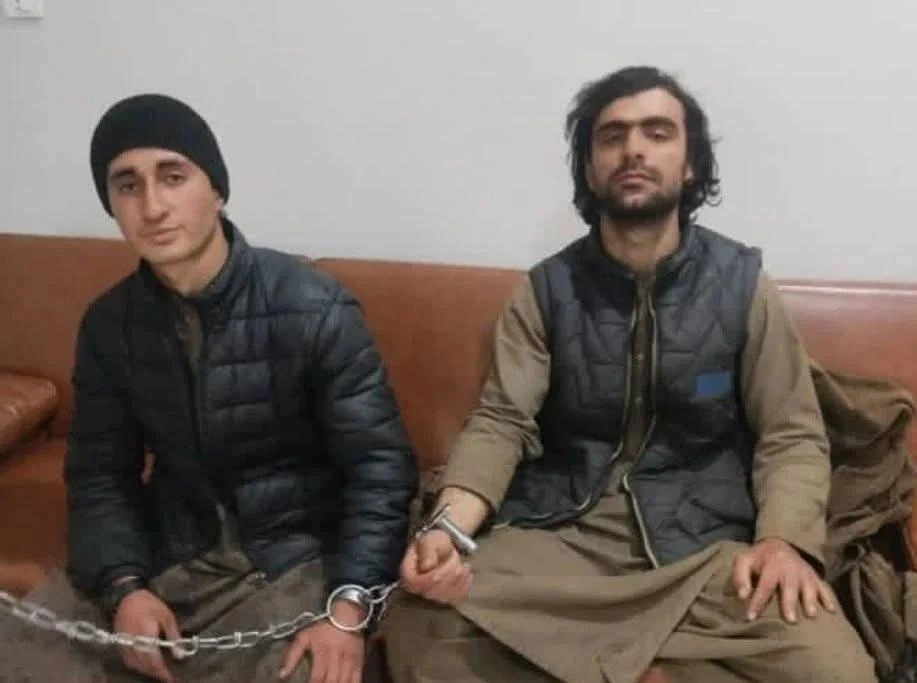
Some corrupt NADRA officials have indeed been caught, and many blocked Pakistani identity cards were restored after verifying original documents. However, numerous Pakistani citizens are still detained for months in prisons designated for Afghan refugees. Some have even been sent to the Chaman border for deportation, only to be returned because Afghanistan refused to accept them as its citizens.
Given these circumstances, questions arise about the future of these individuals: after being detained, sent to the border, and returned to prison, what will happen to them? Will they suffer lasting mental trauma? Will their trust in the state system be destroyed? Their family structures have been disrupted, they endure severe psychological distress, and children’s education is halted, risking a scenario where, instead of becoming responsible citizens, they may fall prey to anti-state elements.
Another important issue is that any Pakistani visiting a relative is sometimes wrongfully considered an Afghan facilitator and detained, even if they were simply meeting a Pakistani family member or helping a neighbor access legal aid. In our society, it has been customary to accompany someone seeking help to the authorities to guide them, ensuring that the family is not involved in anti-state activities. Unfortunately, even this lawful assistance is sometimes misinterpreted.
The recent case of Rohkhana Rahim Wazir, a female journalist from Waziristan, remains fresh in social media and news. In December 2025, her family was detained and sent to the Torkham border. Afghanistan refused to accept them, stating they were not Afghan citizens, and they were placed in Islamabad’s Haji Camp. She filed a case in the High Court. According to family sources, her father could not present his documents to NADRA to prove their citizenship, resulting in continued detention of the entire family in Haji Camp.
Being from the Mandokhel tribe of Zhob, Balochistan—specifically the Aribzai sub-branch of the village Bubi Aribzai, descendant of Gaday Khil Anwar, son of Saleh Gul and Muhammad Gul, and with the tribal chief being Muhammad Ayub Mandokhel—I know that tribal verification is straightforward. In our tribal system, family recognition is clear, and the tribal leader can confirm or deny someone’s affiliation without lengthy procedures. Even if an identity card is blocked, verification within a week should suffice, without detaining women and children.
Prominent figures including myself, AVT Khyber anchor Hasan Khan, journalist Sabouh Syed, and his wife Rabia Syed have raised voices on social media and news platforms, stating that if these individuals are Afghan, they should be sent; if Pakistani, they should be released with dignity. Unfortunately, these appeals have largely gone unheard.
The reason for emphasizing this case is that if Pakistani citizens lose trust in the justice system, courts, and administration, even patriotic writers may turn against the state. For instance, a writer might criticize the Islamabad courthouse blast or express solidarity with martyrs, but disillusionment could push them to oppose the government. Hence, this journalist and her family should be released with dignity from Haji Camp.
My recommendation to the government and Ministry of Interior is that Pakistani citizens should be given the opportunity to present their documents from home with respect, rather than being detained. Citizens cannot leave Pakistan without permission, and a Pakistani will naturally not abandon their village or ancestral graveyard.
If Pakistan wishes to include the Pashtun nation, it must recognize that while Pashtuns may ethnically identify with Afghanistan, not all are Afghan citizens. Pashtuns living in Pakistan are Pakistani and should enjoy full constitutional rights. Immigration policies should clearly reflect this. Currently blocked Pakistani citizens should present their documents within a month or two. If they fail, only then should deportation proceedings be initiated. Citizens should not be alienated by government policies, because unjust detention fosters resentment, potentially pushing innocent citizens toward anti-state activities.
If these recommendations are implemented and immigration policies adjusted accordingly, the concerns of a large segment of the population would be addressed, and confidence in constitutional institutions would increase—positively contributing to the country’s development.