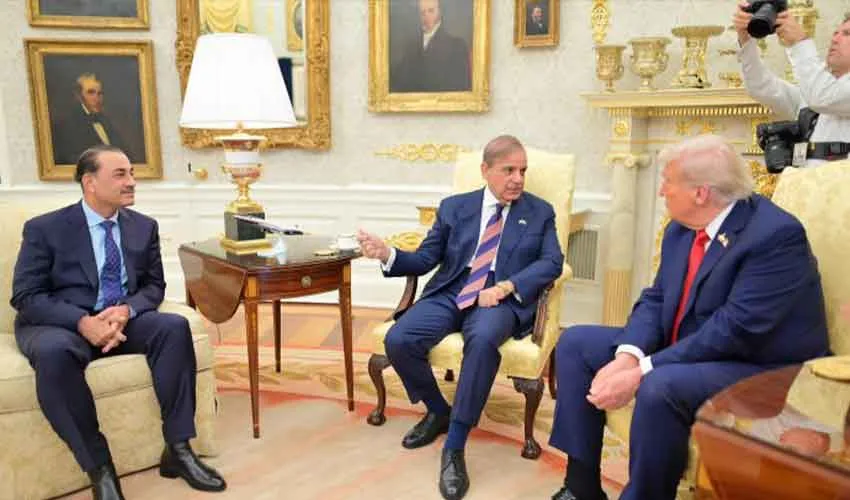
Pakistan is playing a growing role in global diplomacy as it helps reduce tensions between the United States and Iran. Along with Turkey and Egypt, Pakistan has been actively involved in back-channel efforts to facilitate communication between the two long-time rivals. Islamabad is being considered as a possible venue for direct talks, marking a potential milestone in the country’s diplomatic history.
Behind the Scenes: Back-Channel Diplomacy in Action
In the past few days, senior officials from Pakistan, Turkey, and Egypt have separately contacted U.S. representative Steve Witkoff and Iranian Foreign Minister Abbas Araghchi. These back-channel messages are designed to lower tensions and prepare the ground for formal negotiations, rather than secure an immediate deal.
U.S. President Donald Trump has indicated that Iran is willing to discuss a resolution, which could benefit the entire region. He emphasized that the U.S. seeks peace in the Middle East and does not aim to provoke nuclear escalation. Trump also clarified that he does not support targeting Iran’s Supreme Leader, Ayatollah Khamenei, and Israel has reportedly welcomed the progress.
Recent reports suggest direct communication took place between Field Marshal Asim Munir and President Trump, highlighting Pakistan’s role as a mediator. These efforts reinforce Pakistan’s central position in facilitating dialogue between the U.S. and Iran.
Pakistan’s Rising Global Influence
Experts say Pakistan’s involvement in these efforts reflects its emergence as a trusted international mediator. Islamabad has formally offered to host negotiations, and Foreign Minister Ishaq Dar confirmed the country is ready to facilitate talks at any time.
Pakistan’s growing ties with Turkey, Egypt, Gulf countries, China, and Central Asian nations have strengthened its diplomatic profile. The recent meetings in Riyadh between Pakistan, Saudi Arabia, Turkey, and Egypt indicate a developing Islamic diplomatic bloc that could play a collective role in resolving regional conflicts.
Analysts say Pakistan is no longer just a regional player. Its strategic location, balanced foreign policy, and active participation in global forums have made it a credible and reliable mediator. If Islamabad hosts direct U.S.-Iran talks, it would mark a historic achievement and further elevate Pakistan’s international standing.