Pakistan–Afghanistan Talks a “Mirage,” Analyst Warns
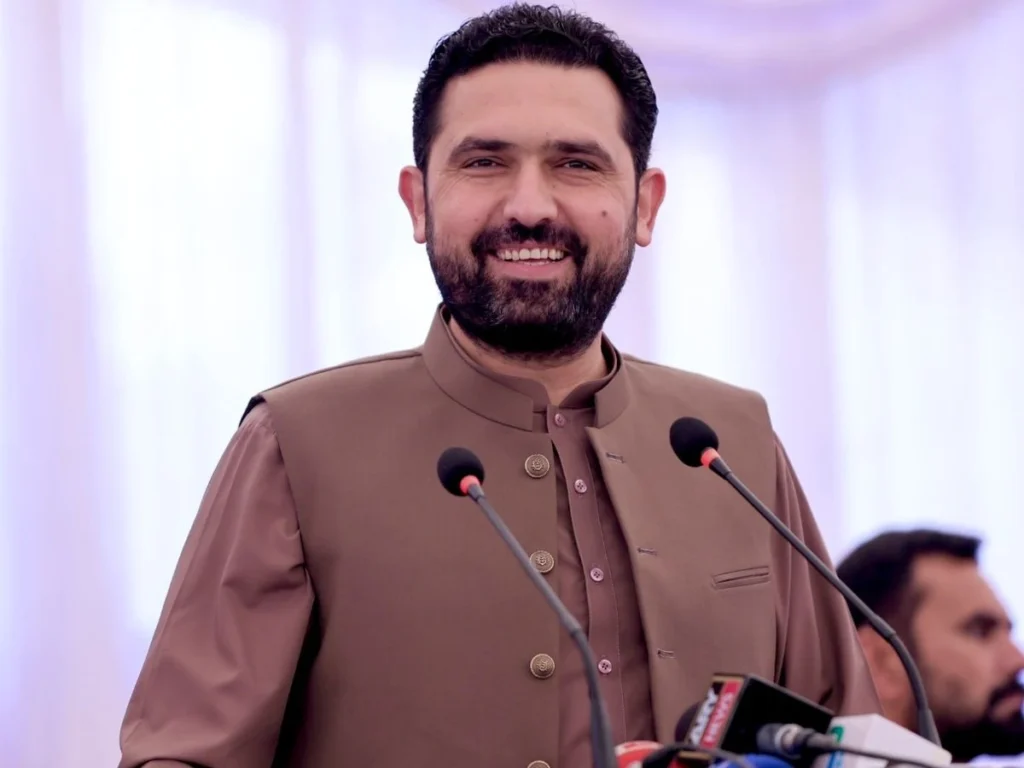
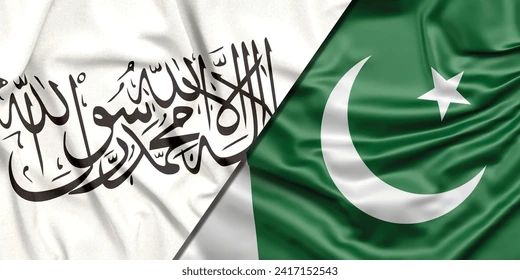
Renowned analyst Faisal Warraich has described ongoing Pakistan–Afghanistan negotiations as a “mirage,” warning that the gap between the Afghan Taliban’s words and actions is becoming a serious threat to regional peace. As tensions rise along the border and talks continue to stall, his remarks have added pressure on Islamabad to rethink its current approach toward Kabul.
According to Warraich, repeated dialogue efforts have failed to address Pakistan’s core security concerns. Instead, the situation on the ground appears to be moving in the opposite direction. Border incidents continue, trust remains low, and diplomatic engagement has produced little progress. As a result, questions are now being raised about whether negotiations alone can deliver stability.
A Growing Gap Between Claims and Reality
At the heart of Warraich’s argument is the clear contradiction between what the Taliban say and what they do. On one side, the Taliban leadership presents itself as seeking peace and international acceptance. On the other, developments on the ground tell a different story.
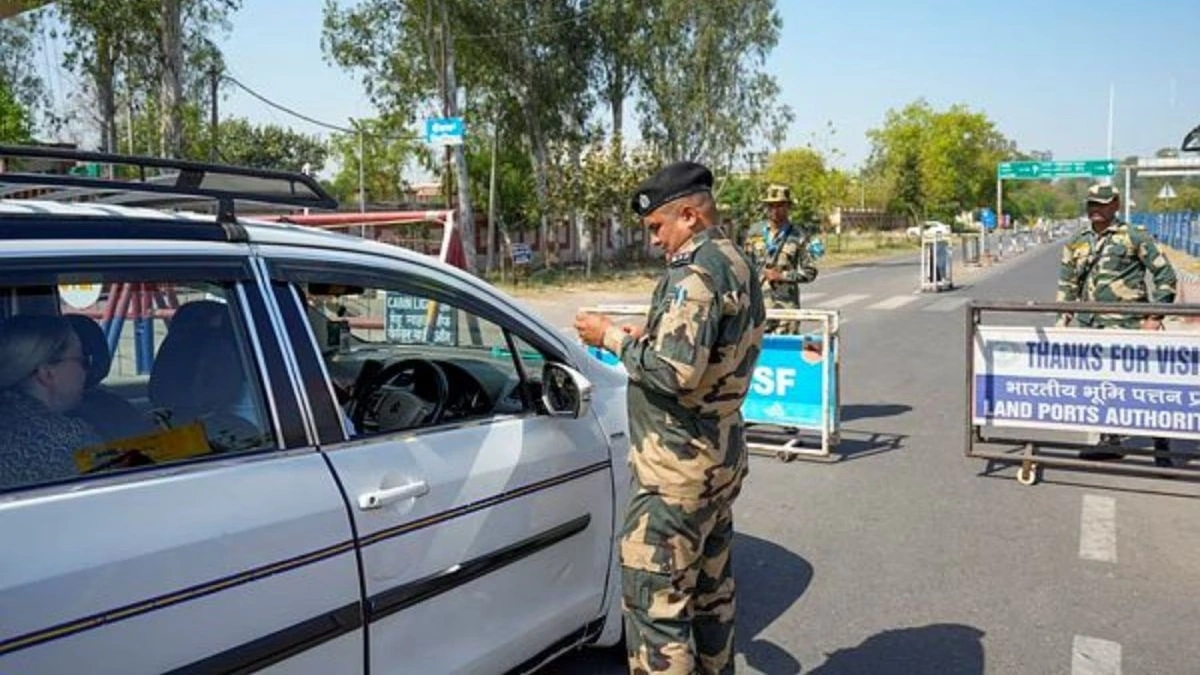
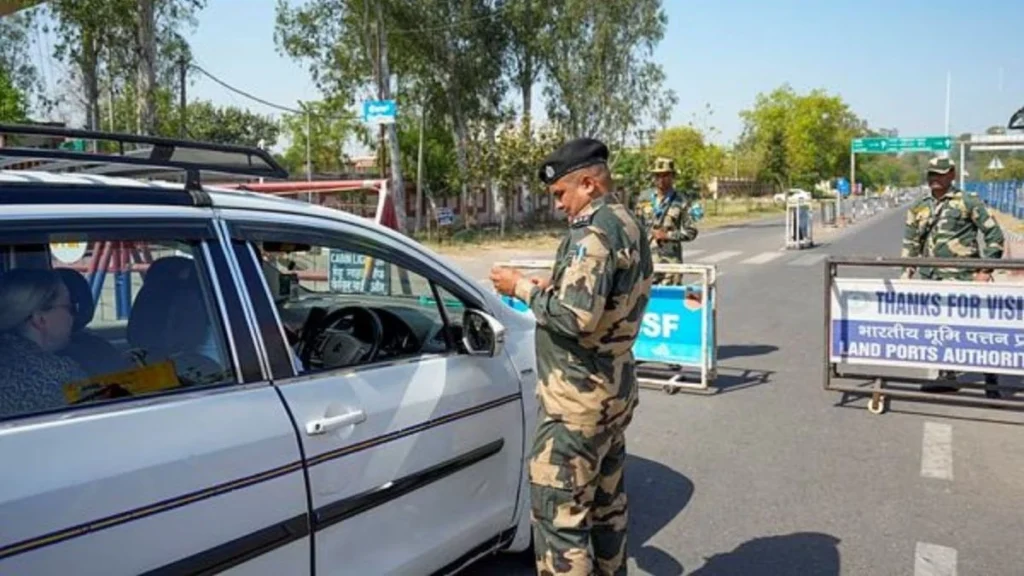
Border tensions persist, and militant violence remains a major concern for Pakistan. Analysts point out that Pakistan’s repeated security warnings have not been taken seriously by Kabul. This has led to the belief that talks are being used more as a delay tactic rather than a genuine effort to resolve disputes.
Moreover, the lack of visible action to address cross-border threats has further weakened confidence in the negotiation process. Because of this, many now see the dialogue as symbolic rather than effective.
Pressure Builds on Pakistan’s Security Policy
Meanwhile, public debate around Pakistan’s Afghan policy is growing louder. On social media and in policy circles, many argue that the Taliban’s approach has not changed over time. Instead, their actions continue to fuel instability in the region.
Defense and security experts believe Pakistan is now facing a critical choice. Relying only on talks, they say, may no longer be enough to protect national interests. As tensions persist, calls for a stronger and more balanced policy are increasing.
Warraich suggests that Pakistan must develop a fresh security road-map. This would combine diplomacy with firmer border protection measures. Political observers note that the era of patience may be nearing its end, as Islamabad weighs alternative options to safeguard its sovereignty.
Read more:Pakistan Conducts Precision Strikes Against Terrorist Camps Following Suicide Attacks