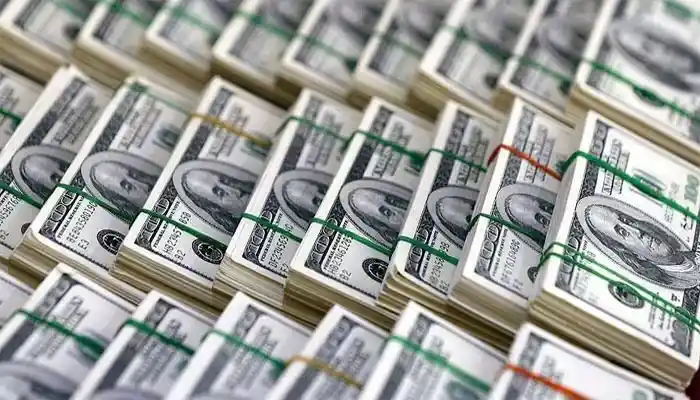
Pakistan’s recent repayment of a long term deposit to the United Arab Emirates sends a clear message about its improving financial position. While some may see such payments as pressure, the reality points in the opposite direction. Timely repayment reflects confidence and stability, not weakness.
In recent years, Pakistan faced serious economic challenges. In 2022, foreign exchange reserves dropped to very low levels, even falling below 7 billion dollars. This created concerns about the country’s ability to meet external obligations. However, the situation has changed since then.
Since that difficult period, the government and the State Bank of Pakistan have taken steady steps to stabilize the economy. These efforts included working with the International Monetary Fund and strengthening ties with friendly countries. As a result, external inflows improved and financial discipline increased.
As we move forward, the numbers show clear progress. By June 2025, reserves had risen to over 14 billion dollars. This upward trend has continued into 2026, with total liquid reserves reaching around 21.79 billion dollars. These levels have not been seen in years and signal growing confidence in Pakistan’s economy.
Moreover, the repayment to the UAE highlights this recovery. It shows that Pakistan has enough financial space to meet its commitments without harming economic stability. Instead of raising concerns, such actions should build trust among international partners and investors.
At the same time, strong relations with the UAE remain important. Honoring financial commitments strengthens these ties and supports long term cooperation. It also sends a positive signal to other global partners.
Pakistan’s ability to repay its obligations reflects a stronger and more stable economic position. The focus now should remain on maintaining this progress and building further confidence in the country’s financial future.
Read more:Speculations on UAE Deposit Return Misleading, Pakistan-UAE Strategic Ties Remain Intact