Skip to content
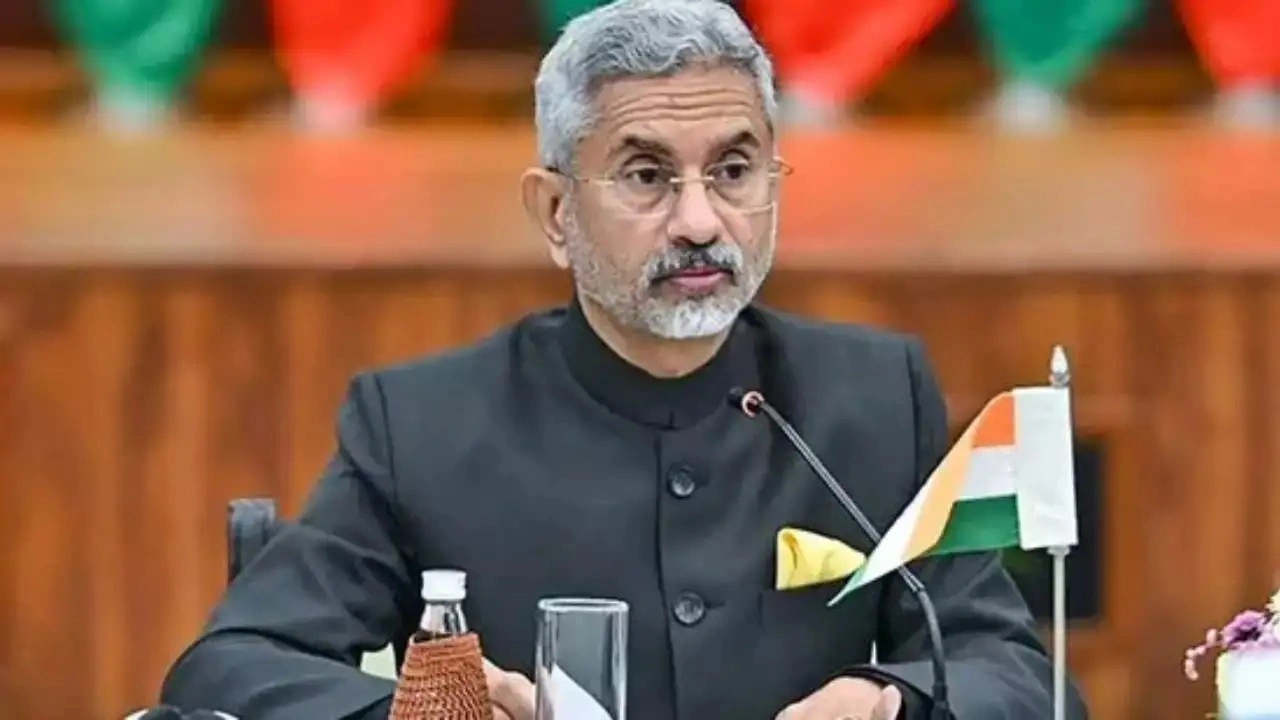
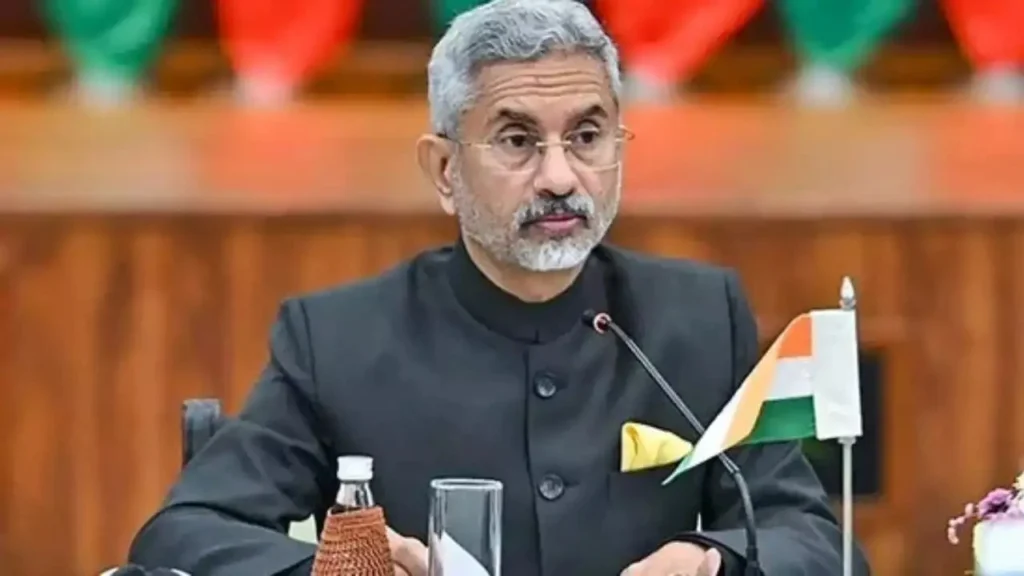
Diplomacy is often described as the art of polite language. In the diplomatic world, wars are sometimes fought with smiles, and even the harshest messages are delivered in the softest words. However, when a country’s foreign minister abandons diplomatic language and resorts to abusive rhetoric, it should be understood that both the minister and his government are suffering from severe defeat and frustration. Their frustration has overtaken their reason and maturity. India’s Foreign Minister Subrahmanyam Jaishankar is also said to be going through the same psychological condition.
In recent times, Pakistan’s diplomatic successes have reportedly deeply unsettled India’s BJP government, Prime Minister Modi, and his ministers. According to the text, there is an atmosphere of hatred, bitterness, irritability, and prejudice that has affected many people there. This sentiment is said to have even reached Indian athletes, artists, and educators. Politicians, who are generally considered calm and composed, are also portrayed as visibly disturbed. Jaishankar, who is a career diplomat and has served as Foreign Secretary with over forty years of experience, is described as someone who has failed to control his language, which is presented as a sign of decline.
It is further claimed that during a recent meeting of Indian parliamentarians, when criticism was raised over India’s foreign policy and its diplomatic isolation, Foreign Minister Jaishankar instead of admitting any mistake allegedly used disrespectful language against Pakistan, calling it a “broker state” and saying that India does not engage in such practices. He is also said to have used similar remarks in the past, but the situation has now worsened further.
Interestingly, Jaishankar remains a controversial figure within India itself. Several Indian journalists, analysts, and members of the Congress Party have accused him of being a pro-American figure. According to Indian media reports, WikiLeaks documents have also mentioned his name in negative contexts multiple times.
According to a detailed report by The Wire, Jaishankar was once favored by Congress Prime Minister Manmohan Singh for the post of Foreign Secretary. However, a group of Congress MPs reportedly raised concerns with Sonia Gandhi, arguing that appointing a pro-American officer like Jaishankar could harm India’s image of neutrality. It is said that although the decision was nearly finalized, Sonia Gandhi intervened and Sujatha Singh was appointed instead.
Congress leaders reportedly raised objections due to WikiLeaks references that created suspicion around Jaishankar. Indian media reports further claim that during the 1980s, when Jaishankar was posted at the Indian Embassy in Washington, he came under attention from the US administration. It is alleged that he was identified as a “friendly” contact by intelligence circles, and later his career progressed with indirect support.
According to The Wire, from 2004 to 2007, Jaishankar served as head of the America Desk in India’s foreign office. WikiLeaks cables allegedly described him as a pro-American diplomat. In one cable dated April 25, 2005, US officials reportedly stated that Jaishankar informed them about India’s voting position on Cuba at the UN Human Rights Council. Another cable from December of the same year suggested that he shared sensitive diplomatic information regarding the visit of India’s Foreign Secretary to the United States.
The report further claims that US diplomatic cables indicated Jaishankar had provided advance information about India’s foreign policy positions before official announcements. Another controversial cable allegedly stated that India’s ambassador in Beijing, Jaishankar, offered cooperation to the United States regarding China’s regional policies, suggesting coordination with Washington without New Delhi’s formal approval.
It is also mentioned that after being initially sidelined, Jaishankar’s career regained momentum due to his US connections. He was later appointed India’s ambassador to the United States, where he played a key role in strengthening India-US relations, including the nuclear deal. Following this, he was eventually appointed Foreign Secretary and later became Foreign Minister under Prime Minister Narendra Modi.
According to Kashmiri journalist Iftikhar Gilani’s report, Jaishankar was urgently called to assume charge as Foreign Secretary after the departure of US President Barack Obama, marking an unusual and rapid administrative transition.
During his tenure as ambassador, Jaishankar also built close ties with the BJP leadership and helped organize Prime Minister Modi’s successful US visit. After retirement, Modi appointed him as Foreign Minister. Former senior Foreign Secretary Shyam Saran had once predicted that if Jaishankar gained power in the foreign ministry, India’s relations with neighboring countries could deteriorate.
It is claimed that under his influence, relations with Nepal and other neighboring countries worsened. It is further argued that his statements and rhetoric may further increase tensions between Pakistan and India.
The article concludes by stating that the same person who is accused of being “pro-American” within his own country is now calling Pakistan a “broker state.” It raises the question of whether such accusations are supported by his own record.
It also argues that India today faces multiple international accusations, including allegations in Canada regarding Sikh leader killings and reported cases in the United States. The global focus is increasingly shifting from statements to conduct and actions.
The narrative concludes that Jaishankar’s remarks reflect diplomatic insecurity rather than confidence, and suggests that India’s current foreign policy approach shows signs of frustration and strategic decline. It also claims that Pakistan’s civil and military leadership deserves credit for India’s current diplomatic discomfort.