
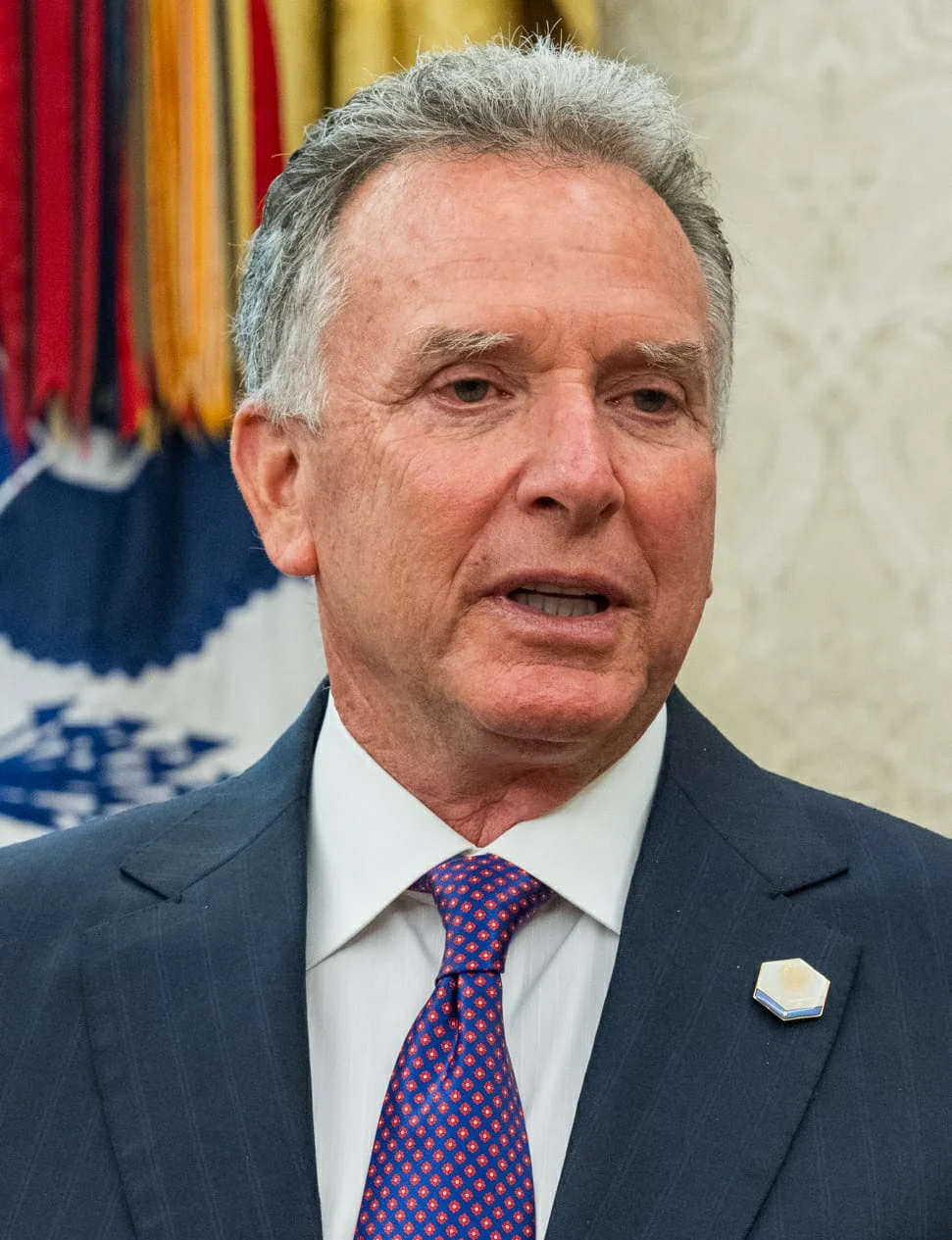
Pakistan is playing a key role as a mediator in ongoing indirect communications between the United States and Iran, US Special Envoy Steve Witkoff has confirmed. Speaking during a cabinet meeting, Witkoff said a 15-point action framework for a potential peace deal has been developed in coordination with the US foreign policy team and conveyed to Iran through Pakistan.
“This has been circulated through the Pakistani government, acting as the mediator,” Witkoff stated. He highlighted that Pakistan’s involvement comes at a time of heightened regional tensions. While the full contents of the proposal remain confidential, the framework is understood to outline steps toward de-escalation and a broader agreement between the two countries.
Pakistan has historically maintained working relations with both Washington and Tehran, positioning itself as a potential facilitator in sensitive negotiations. Observers note that Islamabad’s involvement could help keep communication channels open and reduce misunderstandings between the two sides.
Ongoing Talks and Regional Implications
According to Pakistan’s Foreign Office, indirect engagement between the US and Iran through Islamabad continues, and Pakistan is committed to supporting efforts aimed at regional stability. FO spokesperson said, “Pakistan continues to act as a channel of communication to facilitate dialogue between Washington and Tehran. Our role is to help both sides explore solutions and reduce tensions in the region.”
Despite this, Iranian officials have expressed reservations about certain aspects of the US proposal. The continuation of indirect talks, however, suggests that both Washington and Tehran remain open to dialogue. Analysts say that Pakistan’s role as a mediator could have broader implications for the region, especially in ensuring that tensions do not escalate into conflict.
Witkoff’s statement comes at a time when diplomacy in the Middle East is closely watched by global powers. Regional stability, trade routes, and security concerns are all at stake. By acting as a bridge between the two countries, Pakistan aims to support peaceful engagement while maintaining its longstanding policy of neutrality and constructive dialogue.
With both sides keeping lines of communication open, the coming weeks will be critical in determining whether Islamabad’s mediation can lead to a meaningful de-escalation between Washington and Tehran.











