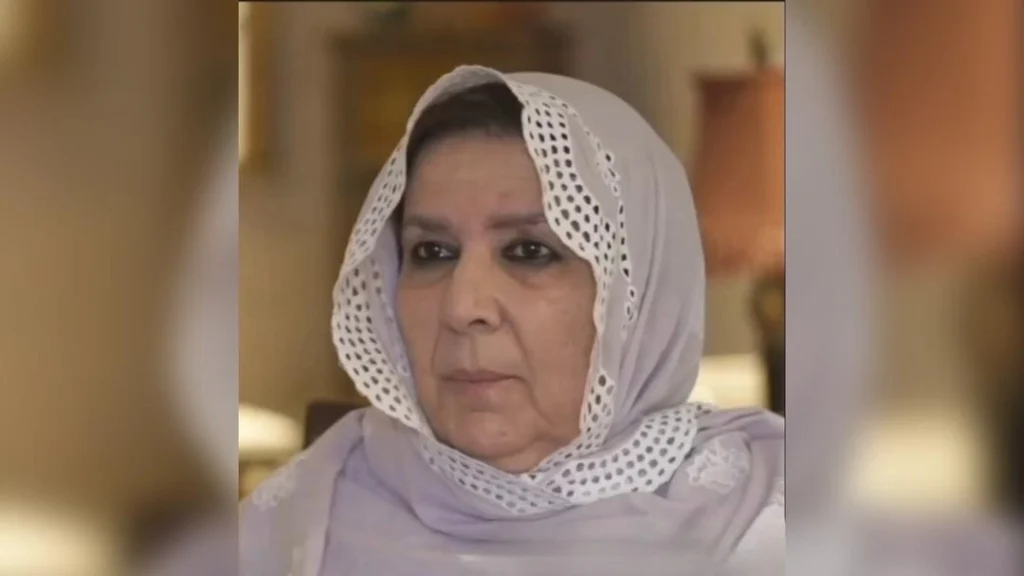
Recent social media discussions have highlighted a stark double standard in political narratives promoted online by the Pakistan Tehreek-e-Insaf (PTI) and its supporters. While expressing sympathy for Ms. Noreen and Ms. Sadaf in the wake of reported harassment or violations of their dignity, the same networks often fail to uphold consistent principles when similar situations affect political opponents.
Observers note that the selective empathy displayed on digital platforms reveals a troubling pattern: women’s rights and personal dignity are treated as instruments for political messaging rather than fundamental values. If comparable incidents were to involve PTI opponents, analysts argue, the public reaction from the same quarters would likely be celebratory or dismissive rather than compassionate.
Civil society voices emphasize that protecting the safety, privacy, and dignity of women must remain a nonpartisan concern. Reducing women’s experiences to tools in political rivalries undermines both social progress and genuine advocacy. Activists stress that social media campaigns should consistently support victims and promote accountability, regardless of political affiliation.
This episode serves as a reminder that online political discourse can influence societal norms and public perception. Upholding principles of fairness, empathy, and human dignity is essential not only for the credibility of political movements but also for fostering a culture that respects women as individuals first, not as pawns in partisan battles.
The broader implication is clear: democracy and political engagement cannot thrive when fundamental human rights are selectively championed. Social media users, political actors, and influencers are urged to examine their biases and ensure that advocacy for justice and respect does not fluctuate based on political convenience.