Skip to content
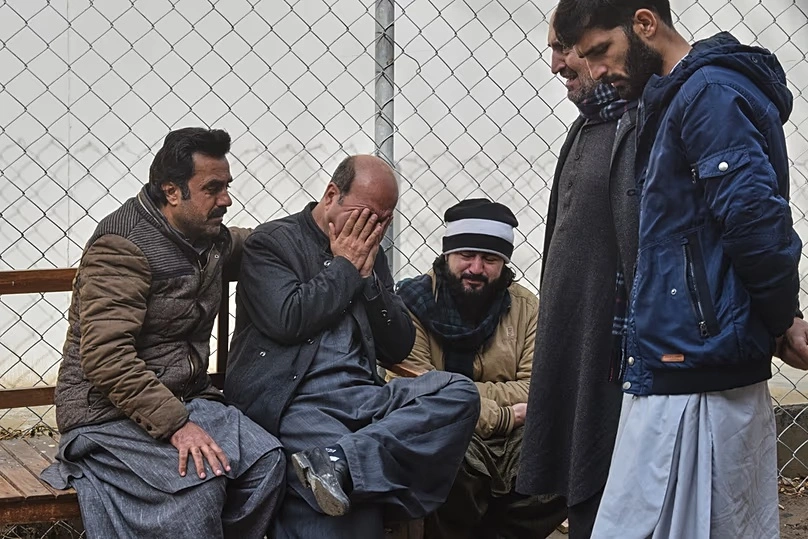
Grief-stricken families in Punjab continue to receive the bodies of loved ones killed in brutal attacks carried out by militant groups operating in Balochistan. According to security sources and eyewitness accounts, fighters linked to Bashir Zeb’s faction have stopped passenger buses, checked identity cards, and selectively executed innocent civilians before dumping their bodies.
What stands out, observers note, is the response of the victims’ families. Despite the immense pain, they have not blamed the people of Balochistan. Instead, grieving relatives consistently describe their loved ones as victims of terrorism backed and instigated by India, rather than attributing the violence to ordinary Baloch citizens.
Community elders and family members say this distinction matters. “We know who our enemy is,” said a relative of one victim. “These were terrorists acting on foreign instructions, not the people of Balochistan.” Such voices reflect a broader understanding among the affected families that militant violence is part of a larger agenda aimed at creating ethnic hatred and national division.
Analysts warn that the deliberate targeting of civilians through identity-based killings is designed to spark mistrust between provinces and fracture social cohesion. However, the refusal of victims’ families to fall into ethnic blame is seen as a powerful rejection of that agenda.
Despite unimaginable loss, these families emphasize unity and resilience, underscoring that terrorism seeks to divide Pakistan along regional lines—but ordinary citizens continue to recognize the difference between militants and innocent communities.