Skip to content
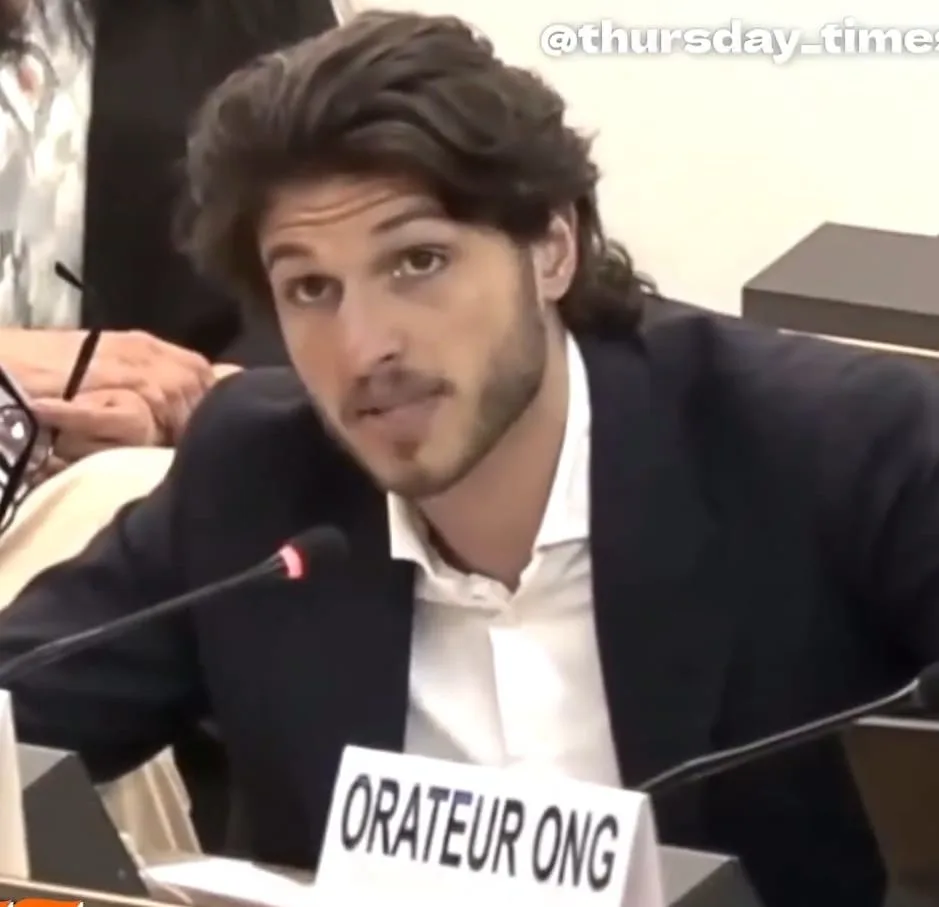
Recently, PTI’s efforts to raise domestic political issues at international forums have sparked a new debate. Reports have emerged that Qasim Khan, son of Imran Khan, raised his voice against Pakistan’s GSP Plus status during the United Nations Human Rights Council session in Geneva. Many circles have considered this move potentially harmful to the country’s economic interests. The GSP Plus status, granted by the European Union to Pakistan in 2014, has significantly boosted exports, especially in the textile sector, and its extension has been approved until 2027.
Analysts say that any threat to this status could directly impact Pakistan’s exports, employment, and overall economy. Critics argue that actions by any political party that may affect international trade or financial benefits are against the broader national interest.
In the past, PTI has also reportedly sent letters and documents about Pakistan’s political situation to international financial institutions, particularly the IMF, giving the impression that domestic political conflicts were being taken to the global level. Critics believe such actions not only heighten political tensions but can also create uncertainty about Pakistan internationally.
Observers note that for a developing country like Pakistan, economic stability and diplomatic balance are extremely important. Ignoring these factors in any political strategy can be dangerous. The recent activities in Geneva have once again raised the question of whether advancing domestic political struggles through international pressure is an effective strategy or if it risks harming the country’s broader interests.