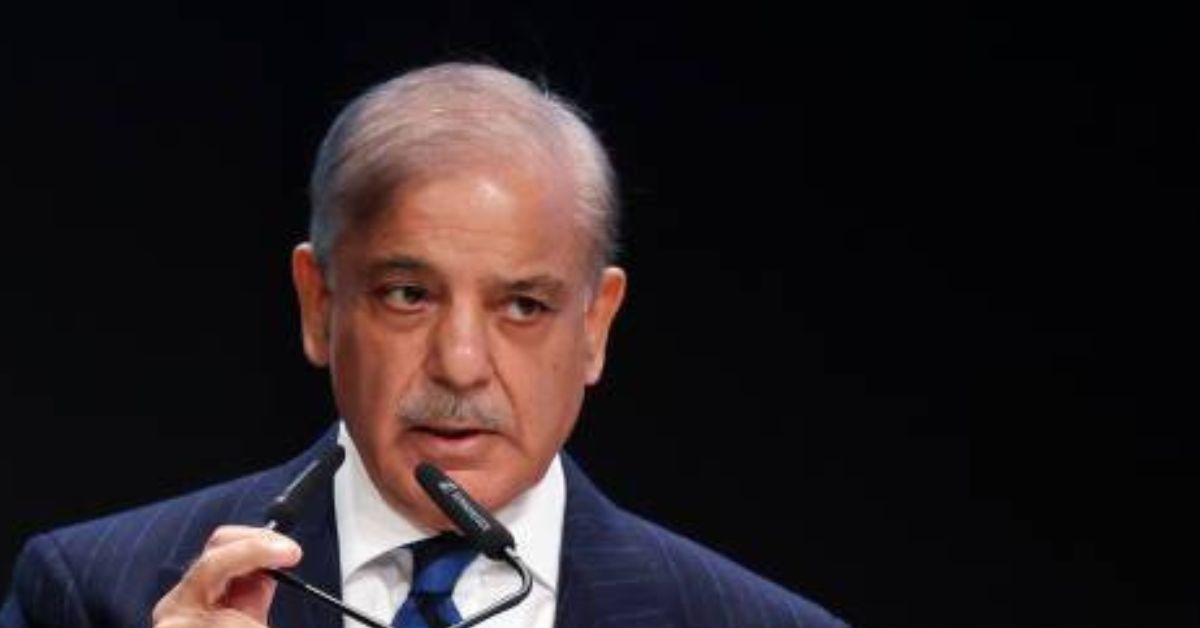
Prime Minister Muhammad Shehbaz Sharif marked the 40th SAARC Charter Day with a clear message of hope, connectivity, and renewed commitment to regional integration.
His statement comes at a time when the debate about reviving SAARC regional cooperation has re-emerged across South Asia. Particularly as the organization remains paralyzed due to India’s persistent political obstruction.
In his message, the prime minister said, “This auspicious occasion reminds us of our shared aspirations for peace, progress, and prosperity across the region of South Asia.”
He added that SAARC was meant to be “an essential platform to promote dialogue, foster cooperation, and strengthen the bonds that bring our nations together.”
Furthermore, the prime minister stressed that South Asia urgently needs “economic, digital, and people-to-people connectivity” and called on regional members to enhance trade, investment, innovation, and cultural exchange.
India’s obstruction and the long stagnation of SAARC
Despite its promising origins, SAARC has been in limbo for nearly a decade.
The 19th SAARC Summit, scheduled for Islamabad in 2016, collapsed after India led a boycott and pressured Afghanistan, Bangladesh, and Bhutan to follow suit. Analysts widely acknowledge that India’s refusal to engage has stalled all regional cooperation.
The prime minister reiterated, “Pakistan remains firmly committed to the principles and objectives of the SAARC Charter.”
However, he emphasized that cooperation must be guided by “sovereign equality, mutual respect, and constructive engagement” principles India has increasingly ignored.
SAARC once delivered strong cooperation in tourism, civil aviation, agriculture, health, youth development, disaster management, and anti-terror frameworks.
But today, SAARC regional cooperation remains hostage to India’s political calculations rather than collective regional needs. India has promoted alternative platforms like BIMSTEC specifically to sideline Pakistan, weakening SAARC’s core purpose.
Message of the Prime Minister Muhammad Shehbaz Sharif on the 40th Anniversary of SAARC Charter Day
— Government of Pakistan (@GovtofPakistan) December 8, 2025
"This auspicious occasion reminds us of our shared aspirations for peace, progress, and prosperity across the region of South Asia.When SAARC was established over four decades ago,… pic.twitter.com/bTw5rqYims
Can SAARC be revived without India’s political will?
South Asia is home to 1.8 billion people, yet intra-regional trade remains only 10 percent, far lower than ASEAN’s 65 percent or the EU’s 55 percent. Experts argue that SAARC cannot function as long as India blocks consensus and refuses to attend summits.
Some regional voices now argue that the only viable path to reviving SAARC regional cooperation is expanding membership or establishing an alternative viable regional organization.
The PM concluded his message with a forward-looking call: “Let us reaffirm today our commitment to building a peaceful, stable, and prosperous South Asia that is defined by collaboration, connectivity, and a shared vision for the collective well-being of its peoples.”
For many in the region, that vision remains impossible until India ends its policy of obstruction and allows SAARC to function as intended.