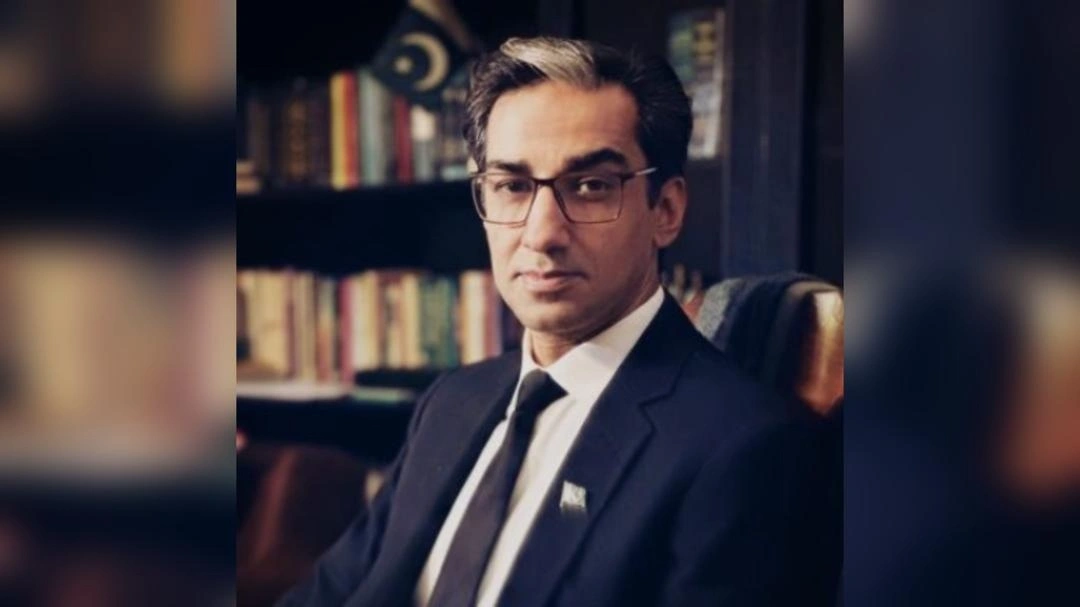
Islamabad, Pakistan – Concerns are mounting within Pakistan’s legal community and among judicial observers over the actions of barrister Saad Rasool in the federal constitutional courts. Reports indicate that Rasool filed an adjournment request in the Supreme Court, seeking additional time under a pretext, only to appear later the same day in a separate hearing regarding Sohrab Barkat’s bail petition.
Legal experts and observers say this incident casts serious doubt on Rasool’s professional integrity and respect for judicial procedures. Filing for adjournments while simultaneously participating in other proceedings has been described as misleading, unprofessional, and unbecoming of a practicing lawyer. Critics argue that such conduct undermines the credibility of Pakistan’s justice system and erodes public confidence in the courts.
“This is not merely a professional lapse,” said one legal analyst familiar with the case. “When an attorney deliberately misleads the court, it weakens the entire legal framework and damages public trust.”
Following the incident, there have been calls for strict disciplinary action, including the immediate suspension of Rasool’s legal license, to protect the authority and sanctity of the judiciary. Observers emphasize that maintaining high ethical standards is essential not only for the respect of individual lawyers but also to ensure that justice is delivered without compromise.
Legal commentators further note that incidents like this could have long-term consequences for the legal profession in Pakistan. They highlight the need for stronger oversight mechanisms for attorneys and stricter enforcement of professional ethics to prevent any erosion of accountability within the judicial system. The event has sparked renewed debate about transparency, responsibility, and ethical conduct among legal professionals in the country.
Ultimately, the case underscores the importance of upholding professional standards and ethical behavior in the legal field, reminding both practitioners and the public that the credibility of the courts depends on the honesty and integrity of those who represent the law.