
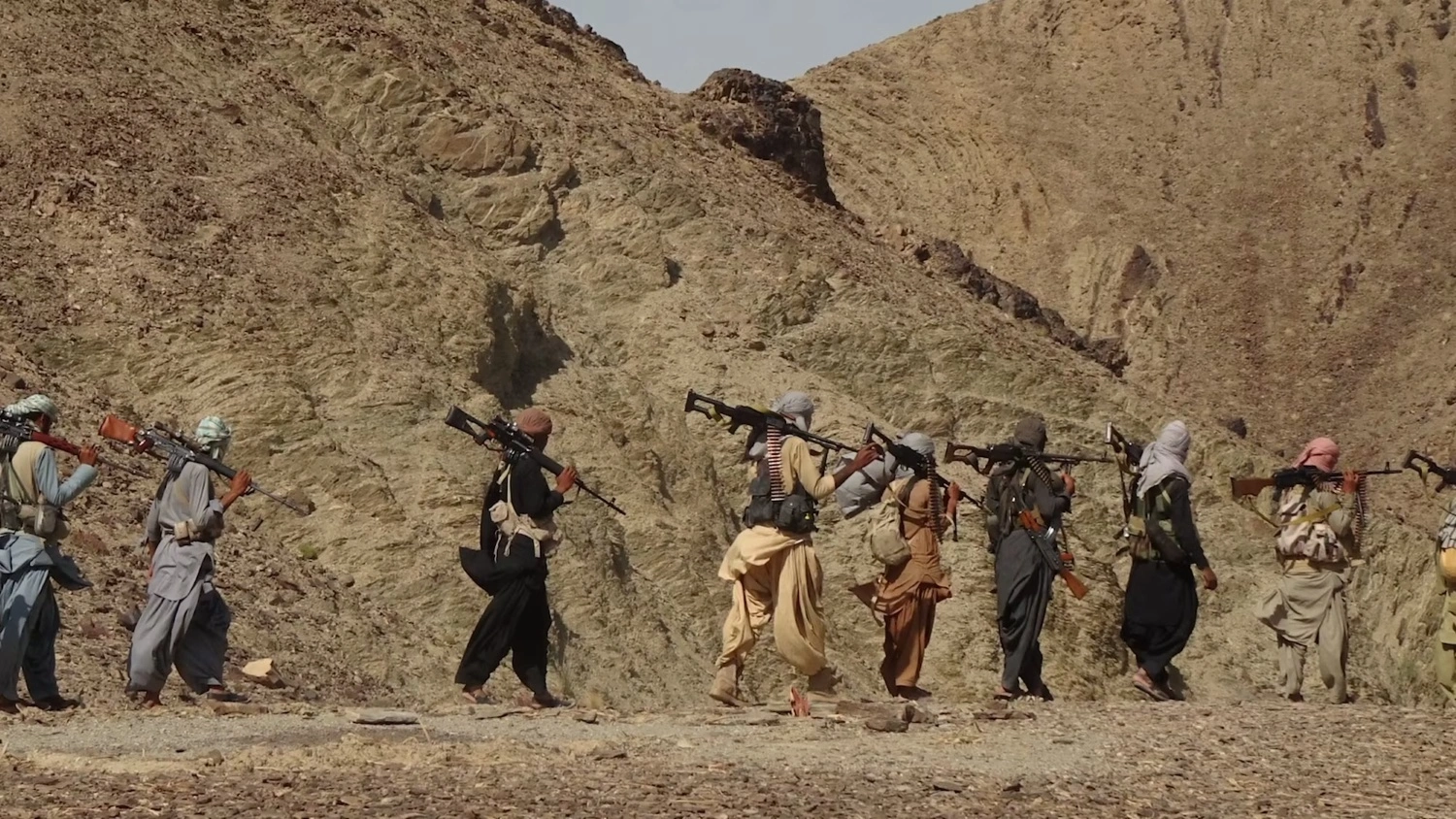
The Tehrik-i-Taliban Pakistan (TTP), long rooted in Pakistan’s tribal belt, is increasingly extending its influence across South Asia, with Bangladesh emerging as a critical recruitment hub. Security experts warn that the convergence of political instability, pre-existing extremist networks, and digital propaganda has created a fertile ground for transnational militant mobilization.
Historical Context and Evolution
Formed in 2007 under the leadership of Baitullah Mehsud, the TTP initially aimed to consolidate various militant factions in Pakistan’s former Federally Administered Tribal Areas (FATA). Its early operations were primarily localized insurgencies against the Pakistani state. However, the post-2021 Taliban takeover in Afghanistan accelerated TTP’s structural consolidation, allowing it to expand operations beyond Pakistan’s borders and engage in transnational recruitment.
Bangladesh’s Security Vulnerabilities
The political turmoil in Bangladesh in 2024—including institutional breakdowns, high-profile prison escapes, and widespread looting of arms—created an environment that extremist actors exploited to expand their footprint. Domestic militant organizations, such as Jamaat-ul-Mujahideen Bangladesh (JMB), Harkat-ul-Jihad al-Islami Bangladesh (HUJI-B), and Ansar al-Islam, provided ideological frameworks that facilitated TTP infiltration.
Recruitment Mechanisms and Digital Outreach
Analysts identify three key pillars in TTP’s recruitment model in Bangladesh:
1. Digital Radicalization: Encrypted messaging platforms, particularly Telegram and WhatsApp, have been instrumental in spreading TTP propaganda in the Bengali language, framing insurgency in regional jihadist terms rather than Pakistan-specific grievances.
2. Clerical and Ideological Mentorship: Religious and ideological mentors guide recruits through online and offline networks, often presenting militant activity as a religious duty.
3. Labour and Travel Narratives: Socioeconomically vulnerable youth are lured under the guise of overseas employment or religious travel, with transit routes through India, Gulf hubs, or Afghanistan before entering TTP-controlled zones in Pakistan.
Key Facilitators and Operational Integration
Figures such as Imran Haider have allegedly served as coordinators, bridging digital communications, ideological framing, and logistical arrangements between Bangladeshi recruits and TTP command. Operational evidence from North Waziristan and Karak indicates that Bangladeshi recruits are not merely peripheral but actively integrated into TTP combat units, participating in militant operations.
Information Warfare and Propaganda
The recruitment pipeline also functions as an information warfront. Conflicting casualty reports and martyrdom narratives obscure operational realities, reinforcing ideological loyalty while disorienting security analysts. Parallel arrests in Malaysia over extremist financing demonstrate how diaspora networks, migration corridors, and digital radicalization collectively sustain transnational militant ecosystems.
Implications for Bangladesh and Pakistan
For Bangladesh, these developments expose vulnerabilities in digital governance, border control, and counter-radicalization frameworks, raising the risk of the country consolidating as a feeder environment for regional insurgencies. For Pakistan, the influx of foreign recruits adds a transnational dimension to its existing insurgency, complicating intelligence operations and broadening the networks that sustain militant resilience.
Regional and Security Concerns
Experts stress that without coordinated regional responses—including stronger border security, community awareness campaigns, and digital monitoring—Bangladesh’s role as a recruitment corridor could exacerbate instability across South Asia. Pakistan’s counterterrorism agencies face the dual challenge of managing domestic insurgencies while addressing foreign recruitment streams that strengthen TTP’s operational depth.
The unfolding scenario signals an urgent need for policymakers and law enforcement in South Asia to develop integrated strategies to disrupt recruitment pipelines, dismantle transnational extremist networks, and reinforce legal and ideological frameworks that can prevent the exploitation of vulnerable populations.
Read more :TTP Deputy Leader Audio Exposes Growing Rift with Jamaat-ul-Ahrar











