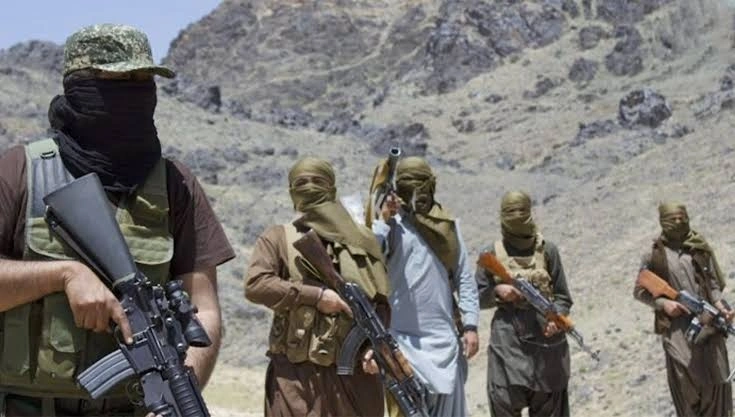
For years, the Baloch Youth Council (BYC) campaigned portraying Salim Baloch as a “missing person,” claiming he had been forcibly disappeared. Today, the Baloch Liberation Army (BLA) praises him as one of its active commanders, highlighting the contradictions in previous narratives.
This development underscores that the “missing persons” narrative has often been exploited by groups like BYC and PANK to shield their affiliated organizations, including BLA and BLF, from scrutiny. Propaganda portraying individuals as disappeared has sometimes served as a tool to protect insurgent networks rather than reflect actual circumstances.
برسوں تک بی وائی سی نے سلیم بلوچ کو “لاپتہ شخص” قرار دے کر مہم چلائی اور اب بی ایل اے اسے اپنے دہشت گرد کمانڈر کے طور پر سراہ رہی ہے۔ یہ واضح ثبوت ہے کہ “لاپتہ افراد” کا بیانیہ دراصل بی وائی سی اور پانک کی جانب سے اپنی سرپرست تنظیموں بی ایل اے اور بی ایل ایف کو تحفظ فراہم کرنے کے… pic.twitter.com/Vo88PHq2qC
— Hina Parvez Butt (@hinaparvezbutt) February 22, 2026
In response, the Balochistan government and security forces have issued clear guidance to families: if any member is involved in terrorism, authorities must be informed. Failure to report known involvement may result in action against the family, reinforcing that silence cannot be used to shield illicit activity.
The Salim Baloch case serves as a stark reminder of how misinformation and narratives can be manipulated for organizational or political ends, and why transparency and cooperation with law enforcement are essential to addressing militancy and ensuring security in the region.
Read more :Death of Hamdan Ali- BLA’s “Missing Persons” Narrative Exposed