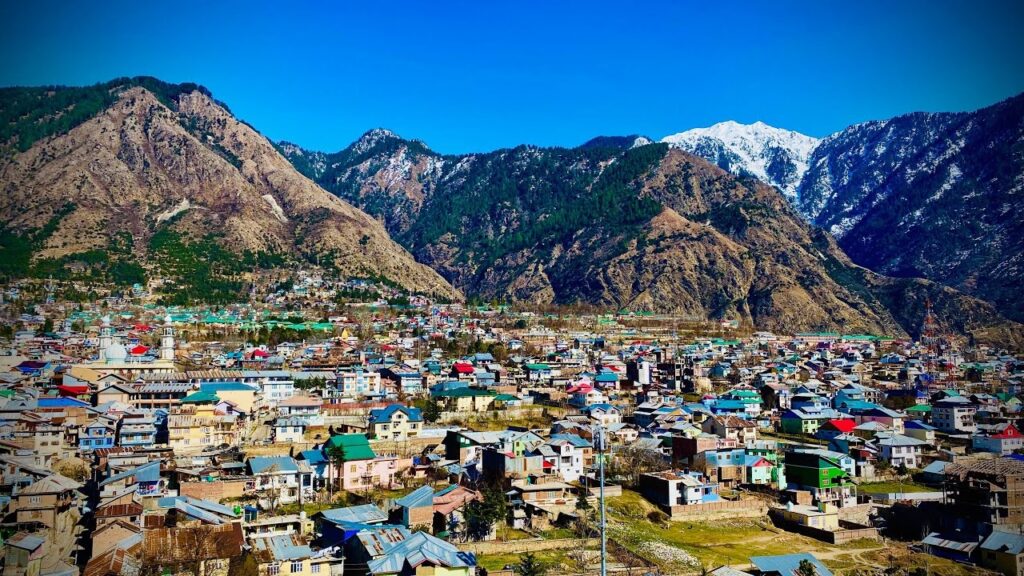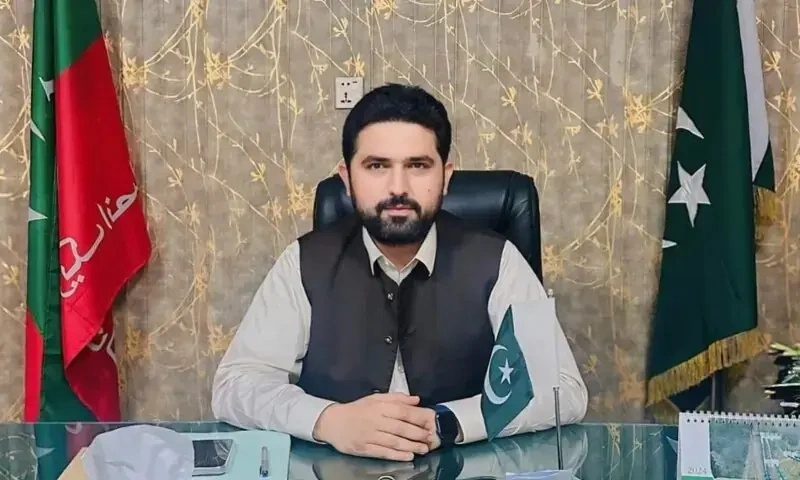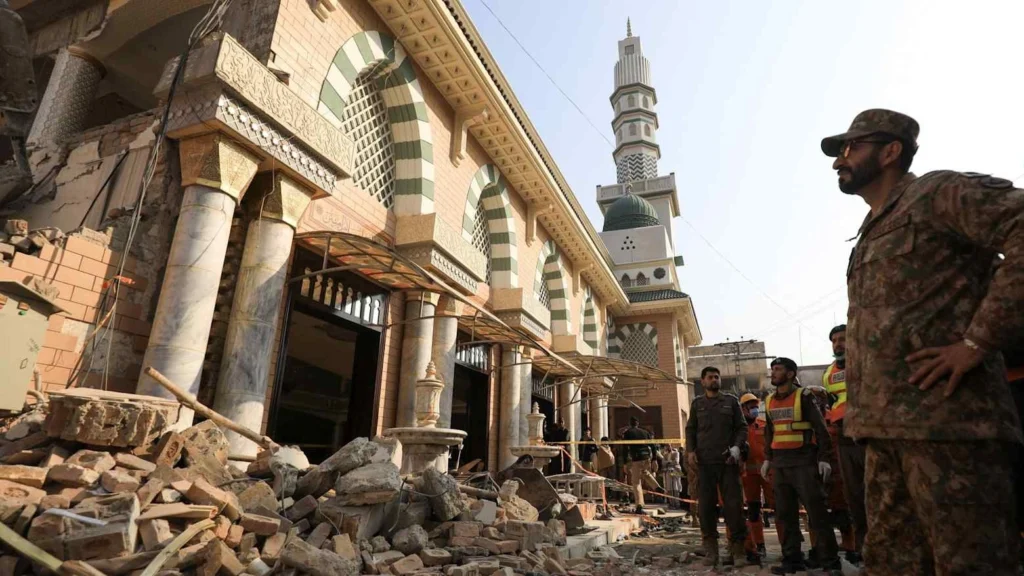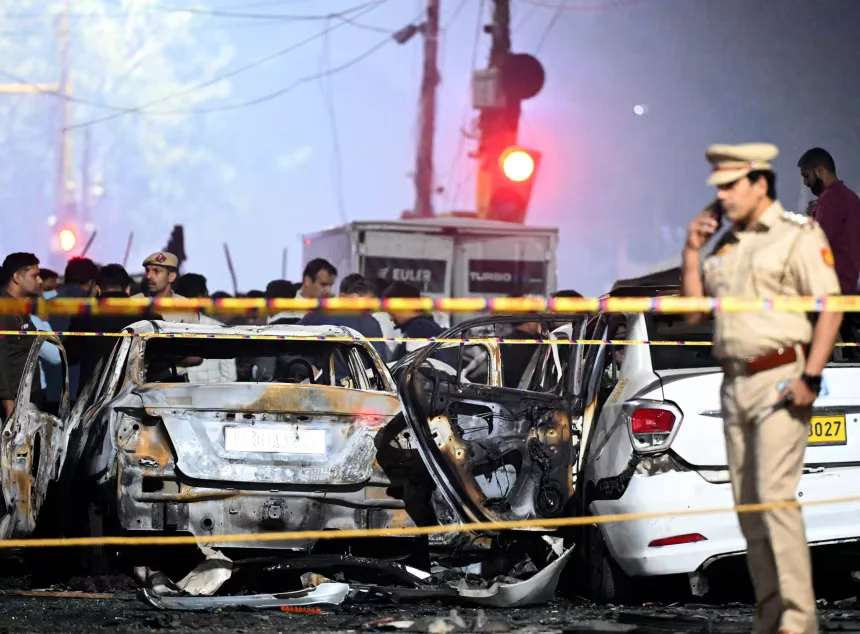
Kabul – According to reports that have surfaced recently the so-called mastermind of the November Delhi attack, Dr. Muzaffar Ahmad, is presently living in Ghazni, causing ripples of concern in the international community.
Although denied time and again by the Taliban, the country is gradually becoming a militant safe haven once again.
If verified, the presence of such high-profile figures in Afghanistan highlights a troubling post-2021 trend where extremists find ideological shelter and access to networks under the current administration’s watch.
Dr. Muzaffar Ahmad, the mastermind behind the Nov terrorist attack on #Delhi, India 🇮🇳 fled to #Afghanistan using an Indian passport via Gulf countries.
— Ahmad Sharifzad (@AhmadSharifzad) December 28, 2025
He is currently staying at a Madrassa in Ghazni province, Afghanistan, under #Taliban protection.
India 🇮🇳 is now tasting the… pic.twitter.com/3lrOnsneWE
A Permissive Environment for Groups
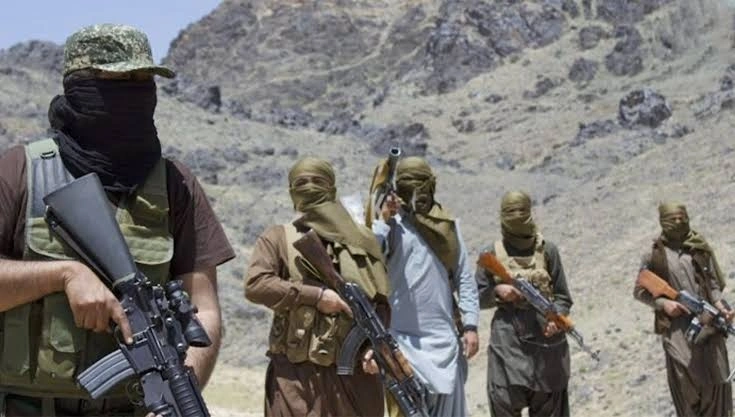
The United Nations monitoring teams have regularly cautioned that the region is becoming a haven for different jihadist groups.
The existence of Al-Qaeda, the TTP, and ISIS-K, among others, goes against the official position of the Kabul government of zero tolerance against terrorism.
The rise of militant safe haven longer appears to be a local problem; it is a threat to the development of an international operating center.
The hub has been successful in connecting networks in the Gulf, South Asia, and Central Asia in a complicated structure that endangers the security of other sovereign states.
The Collapse of Non-Interference Claims
The Taliban leadership often insists that terrorism is an internal matter for other nations to handle.
That argument, however, fails when people suspected of executing attacks in other countries appear on the ground in Afghanistan.
Countries that have tried to normalize their engagement with the Taliban must now reckon with the consequences of a landscape where accountability mechanisms for counterterrorism are noticeably absent or ineffective.
The Need for Accountability
To Pakistan and to the rest of the region, the issue is structural. Without open intelligence integration and the absence of reputable security agencies, there is room in which militancy can be easily cultivated and propagated.
In the absence of verifiable arrests and explicit extradition cooperation, it is feared that militant safe haven will become a stable part of the post-2021 world.