This column is written neither in support nor opposition of anyone, but for the survival of humanity. The Strait of Hormuz, on which the lives of not millions but billions of people depend, has become a flashpoint amid the war that began on February 28. The possible closure of this strategic waterway has already emerged as a major crisis point.
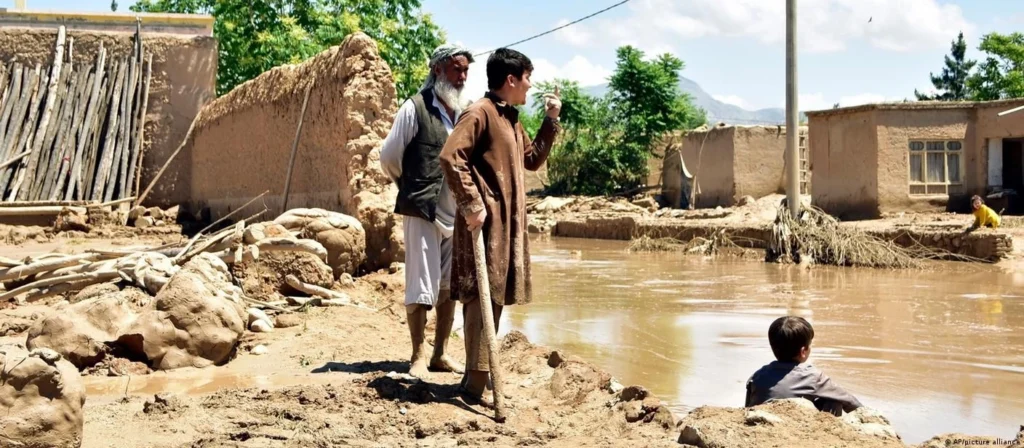
The disruption of supplies of oil, natural gas (LNG), helium gas, medical equipment such as MRI machines in hospitals, computers, vehicles, household appliances, microchips, fertilizers, and food items including wheat, rice, vegetables, and medicines has created severe difficulties for human life. Rising oil prices, uncontrollable inflation, increasing unemployment, disruptions in energy supply, and interruptions in industries and transport systems have shaken global economies and governments, especially in South Asia. This has raised fears of possible civil conflicts on a global scale.
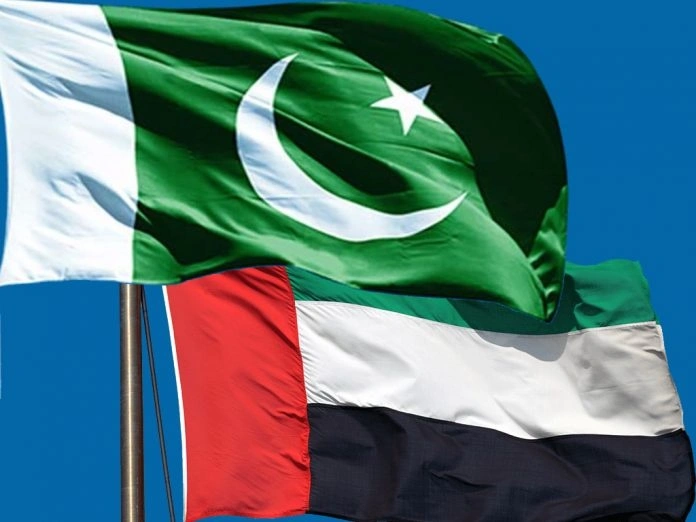
The importance and sensitivity of the Strait of Hormuz can be understood from the fact that Britain, despite not being directly involved in the war, has brought 40 countries together to reopen it. According to a Wall Street Journal report, the United Arab Emirates is also reportedly considering working with the United States and its allies to reopen the strait through the use of force. Efforts have also begun to table a resolution in the UN Security Council to provide legal justification for the use of force.
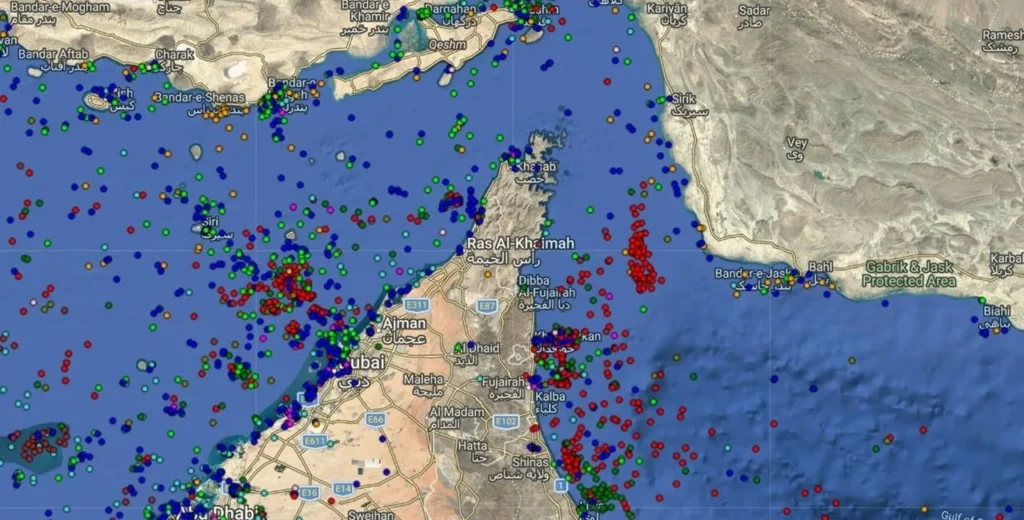
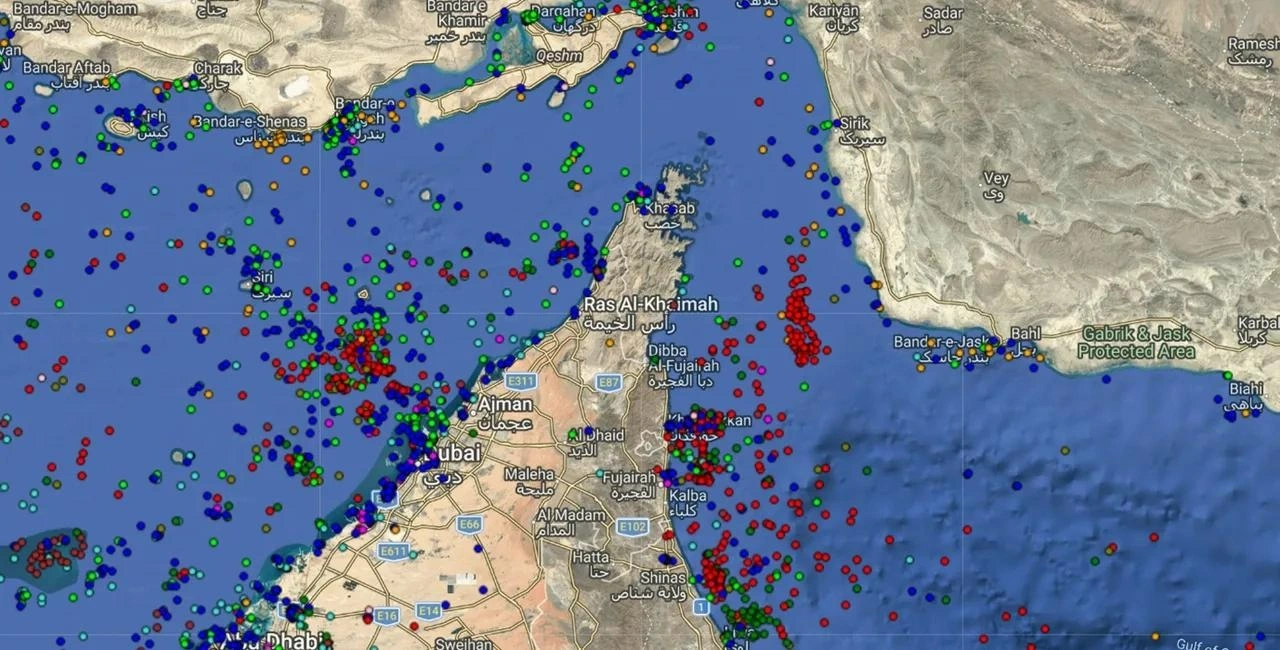
The Strait of Hormuz, sometimes referred to in certain circles as the Strait of Khalid, is a strategically vital waterway located between the Gulf of Oman and the Persian Gulf. It connects the Persian Gulf to the Arabian Sea via the Gulf of Oman. Iran lies on its northern shores, while the southern coast includes the United Arab Emirates, Oman, and the adjacent Musandam region.
During the war between Israel, the United States, and Iran, it has become a global hotspot of attention. It is approximately 167 kilometers long, with widths ranging from 97 kilometers to a narrowest point of 33 kilometers.
The Strait of Hormuz acts as a combined commercial bridge between Southeast Asia, the Middle East, and the West. A prolonged closure would affect all three regions the most.
During the war, the use of the Strait’s potential closure as a tool of pressure and warfare has further increased its international commercial, political, and military significance. Its closure is being described as a crime against humanity, placing the lives of billions at risk.
While every country has the right to defend itself, turning this right into a threat to humanity is an insult to human values. World leaders must immediately pass an international resolution to prevent nuclear adventurism, signed by all states and given the status of international law.
An international maritime security force should be formed, composed of trained personnel from different countries, equipped with the most advanced modern weapons, to take full control and security responsibility of the Strait of Hormuz. No country, whether small or a veto power state, should be allowed under international law to close, block, or monopolize the Strait of Hormuz.
This route must be declared the lifeline of humanity, and its protection must become a responsibility of every human being, as billions of lives are connected to it. Its closure, control, or monopoly by any single power could lead to nuclear confrontation and even become a precursor to World War III.
Alternatively, the proposal presented at the March 30 Islamabad meeting of four key countries could serve as a viable option. Under this proposal, shipping flows would continue without interruption, and a consortium could be formed—similar to the Suez Canal model—charging transit fees and managing oil supply routes through Turkey, Egypt, and Saudi Arabia, with Pakistan possibly joining later.
According to this view, under a so-called “Dajjalic plan,” Zionist actors are waiting for a moment when countries affected by the closure of the Strait of Hormuz will turn to the United States to protect themselves from internal chaos. It is believed that these countries will eventually align with the American camp for their own national security and public safety, similar to how Gulf countries joined the U.S. camp due to Iran’s revolutionary policies.
As a final move, the United States may supply cheap Venezuelan oil to Europe while securing military cooperation in return. A British military planning meeting regarding the Strait of Hormuz, scheduled for next week, is seen as a possible indication of a deeper underlying agenda.
The reality of control over Venezuelan oil is now becoming clearer, and it is being argued that NATO and the West could use pressure strategies to achieve geopolitical objectives. Therefore, Iran is urged to reconsider its policies and adopt flexibility before it is too late.
Instead of slogans like “Death to America” and “Death to Israel,” it is suggested that the Strait of Hormuz be reopened for the benefit of the wider world, and political pressure strategies be reconsidered.
The fact that NATO and Europe have not joined the war is being interpreted as a clear failure of the U.S. and Israeli narrative. Blocking the Strait and causing global hardship would only strengthen opposing geopolitical agendas. Therefore, reopening the Strait of Hormuz is presented as the only way to prevent global oil control ambitions; otherwise, no party will ultimately benefit.