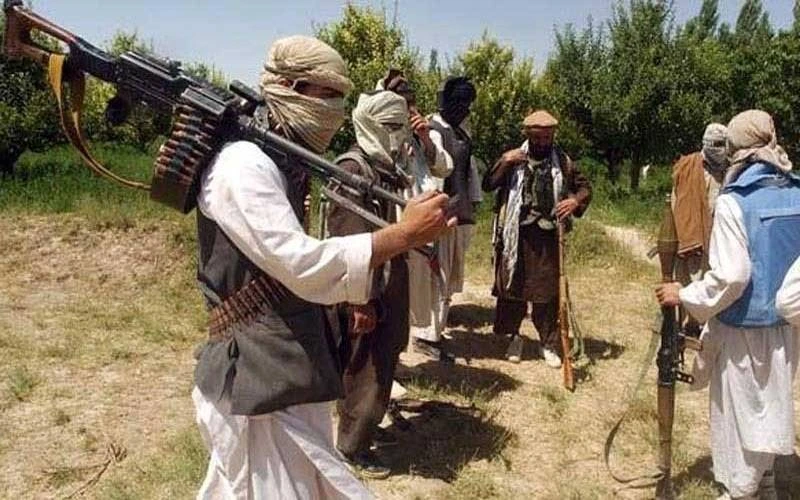
Like Pakistan, Tajikistan has now become a victim of terrorism emanating from Afghanistan under the Taliban regime. Militants affiliated with Tehrik-e-Taliban Tajikistan (TTT), operating under the patronage of the Afghan Taliban, infiltrated Tajik territory, triggering a violent clash that resulted in the deaths of two Tajik security personnel and three militants.
Following the incident, Emomali Rahmon, the President of Tajikistan, announced retaliatory measures, signaling a sharp escalation in tensions along the Afghan–Tajik border.
Since 2021, the Afghan Taliban have allegedly sponsored and facilitated TTT in a manner closely resembling their support for Tehrik-e-Taliban Pakistan (TTP) against Pakistan. What began as a Pakistan-focused strategy has now expanded, with the Taliban increasingly using terrorism as a state policy tool—first against Pakistan, and now against Tajikistan.
A sensitive border and rising militancy
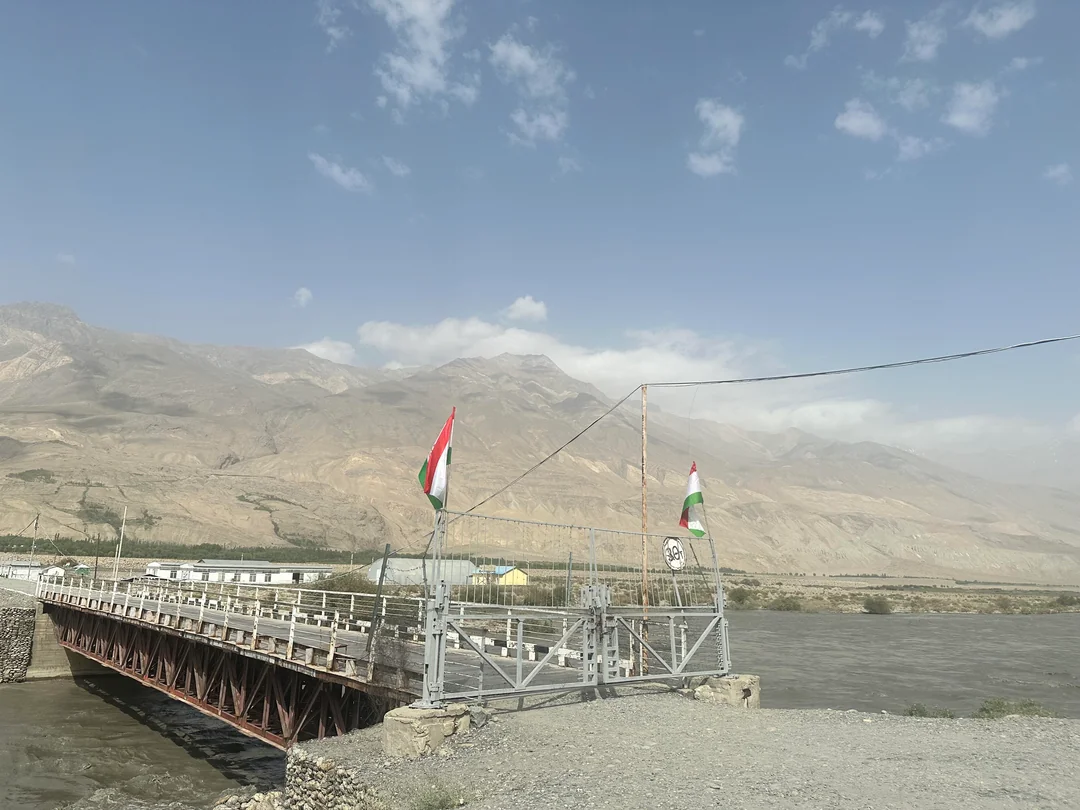
Afghanistan and Tajikistan share a 1,357-kilometre-long border, largely running along the Amu (Panj) and Pamir rivers. This frontier has historically remained sensitive due to the presence of large ethnic Tajik populations on both sides of the border. Tajiks constitute approximately 27 percent of Afghanistan’s population.
Since the Taliban’s return to power in August 2021, relations with Tajikistan have steadily deteriorated. Tajikistan has refused to recognize the Taliban government, accusing it of providing sanctuaries to terrorist groups. Kabul, in turn, accuses Tajikistan of backing anti-Taliban factions such as the National Resistance Front (NRF).
Despite these mutual accusations, Afghan Taliban sources confirm that Jamaat Ansarullah, also known as Tehrik-e-Taliban Tajikistan, is not merely sheltered but actively facilitated—mirroring Taliban support for TTP against Pakistan.
Terrorism as a tool of coercive diplomacy
Analysts argue that the Taliban have institutionalized terrorism as a means of political leverage. Just as the Taliban responded to Pakistan’s demands to curb TTP by seeking trade concessions and political recognition, they are now using TTT militancy to pressure Tajikistan into accepting Taliban positions on border disputes and regional politics.
Multiple sources confirm that TTT has been allowed to establish terrorist infrastructure in Badakhshan province, particularly in the border districts of Kuf Ab, Khwahan, Maimai, Nusai, and Shekay.
A senior Taliban source from Takhar province confirmed that militant camps have existed in both Badakhshan and Takhar since 2021. These camps reportedly receive rations, training, and full operational funding from the Taliban’s military budget, and TTT fighters are treated as an official auxiliary component of the Taliban structure. According to the source, the explicit objective of these activities is to “teach Tajikistan a lesson.”
Subsequent confirmations from additional Taliban-linked sources indicate that terrorist operations along the Tajik border were launched with formal approval from the Taliban leadership.
Presence of multiple transnational terror networks
Local sources further claim that TTT camps along the Tajik border also host militants from TTP and East Turkistan Islamic Movement (ETIM) under Taliban patronage.
Despite the Taliban’s global claim of being opponents of ISIS, Islamic State Khorasan Province (ISKP) operates openly in these Badakhshan border districts. No action has reportedly been taken against ISKP bases; instead, militants allegedly receive logistical facilitation.
ISKP activity in the region is reportedly led by Abdullah Uzbeki, a veteran ISKP militant and former emir of ISIS Uzbekistan, and a member of ISKP’s central shura.
Profile of Tehrik-e-Taliban Tajikistan (TTT)
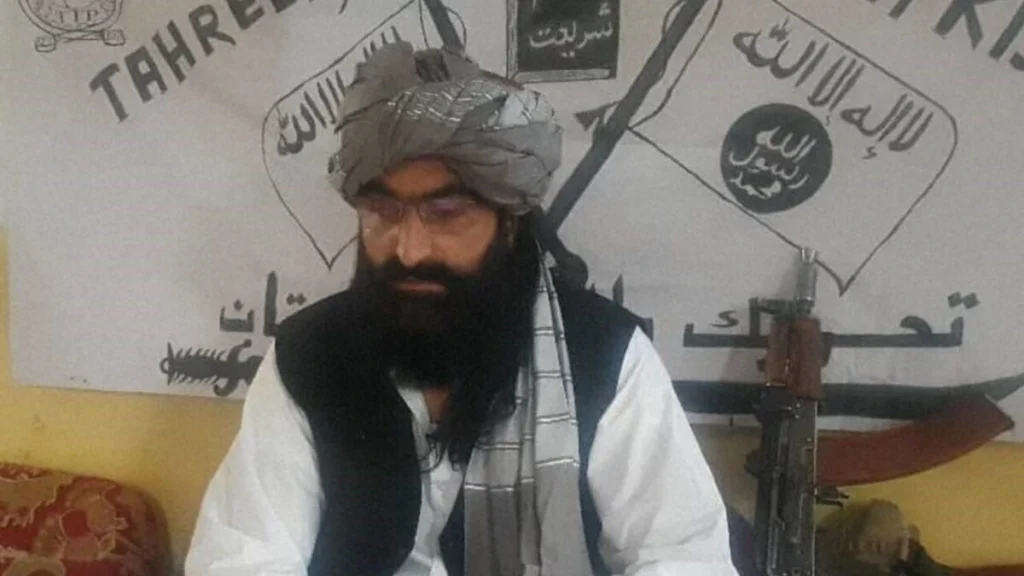
TTT, also known as Jamaat Ansarullah, is a Tajik militant organization seeking to overthrow the Tajik government. It was founded in 2006 by Amriddin Tabarov, also known as Mullah Amriddin, a former leader of Tajikistan’s United Tajik Opposition during the civil war.
The group first gained international attention in 2010 after claiming responsibility for a suicide car bombing at a police station in Khujand. Tabarov was killed in 2016.
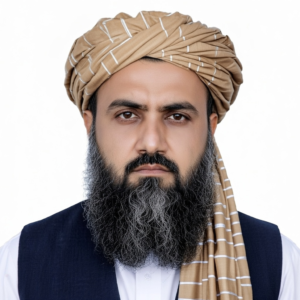
The group is currently led by Mehdi Arslan (real name: Muhammad Sharifov), a Tajik national who joined the Taliban in 2015. He previously maintained ties with Al-Qaeda, while some of his associates traveled to Syria and interacted with ISIS-linked elements.
After returning to Afghanistan, these militants distanced themselves from Al-Qaeda and formally integrated into the Taliban. Taliban leadership discussions indicate that Central Asian militants previously associated with Al-Qaeda or the Taliban are now being consolidated under TTT.
After taking power in 2021, the Taliban officially tasked Mehdi Arslan with reorganizing Jamaat Ansarullah. In June 2023, the group was formally rebranded as Tehrik-e-Taliban Tajikistan.
Current intelligence places Mehdi Arslan near Fayzabad, the capital of Badakhshan, while his fighters operate from border-area camps.
Taliban officials reportedly view TTT as a tool to blackmail Tajikistan into negotiations, citing Tajik support for the NRF, refusal to return Afghan military helicopters, and alleged cooperation with US intelligence.
Expansion and militarization since 2021
Although TTT claims to be a nationalist jihadist group focused solely on Tajikistan, evidence confirms formal links with the Taliban and Al-Qaeda, as well as contacts with Iran-based militant group Jaish al-Adl.
Following the Taliban takeover, TTT was initially assigned border security responsibilities in parts of Badakhshan. However, by 2023–2024, Taliban reports indicate the group was relocated deeper inland.
TTT’s manpower has expanded dramatically—from approximately 500 fighters in 2021 to nearly 2,000 today. Most recruits originate from Tajikistan’s Sughd, Khatlon, and Rasht Valley regions, alongside Afghan nationals and Chinese Uyghurs. Recruitment is reportedly conducted across Afghanistan, Central Asia, and Russia, with Taliban and Al-Qaeda facilitation, and even includes militants transferred from TTP.
Confirmed intelligence indicates the Taliban issued Afghan passports to 18 TTT commanders and pay them monthly salaries.
Rising cross-border incursions in 2025
Under Taliban policy shifts in 2025, cross-border infiltration into Tajikistan has intensified. More than 10 incidents occurred in the first half of the year alone. Since June, at least three incursions have taken place in December, the latest on 24 December in the Shamsiddin Shohin district.
Tajikistan’s State Committee for National Security described the incident as the third attack of the month, demanding an apology from the Taliban and immediate guarantees of border security.
In response, Tajikistan has constructed 80 new border posts, deployed a tank regiment, and inaugurated new military facilities. On 24 December, President Rahmon opened a modern tank training ground and four new military outposts in the Harb Maidān area.
Sources claim Tajikistan has quietly sought Russian assistance following recent attacks on Chinese nationals, though Tajik authorities deny this publicly.
A growing regional threat
Sources stress that the Taliban are employing the same dual-track strategy with Tajikistan that they used with Pakistan—public promises of cooperation alongside continued militant sponsorship.
The Tajik presidential spokesperson has openly stated that the Taliban are failing to meet their obligations. While negotiations continue on trade and electricity, border tensions remain high.
After Pakistan, Tajikistan’s experience now reinforces the conclusion that the Afghan Taliban regime poses a direct and expanding threat to Central Asian security.