Kabul – the latest un security council report highlights Afghanistan under Taliban rule as highly centralized, ideologically rigid, and institutionally weak, raising doubts about long-term stability.
Centralized control and ideological governance
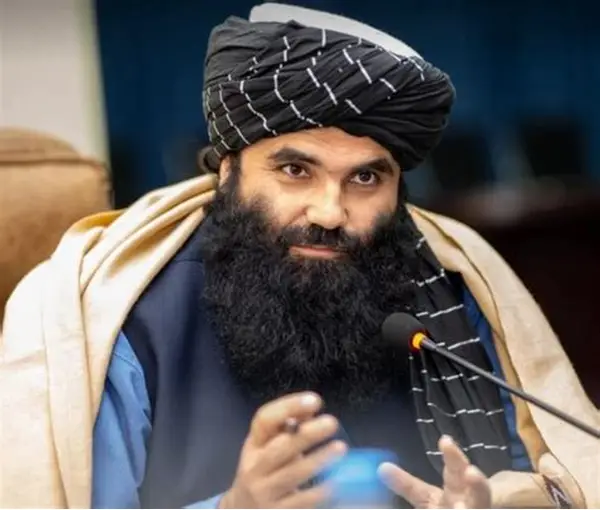
Hibatullah akhundzada, amir al-mu’minin, governs from kandahar through religious decrees, appointing loyalists and overseeing provincial councils of ulama that enforce ideology. dissent is suppressed, with senior critics removed, detained, or exiled.
Internal rifts exist between Kandahar hardliners and Kabul pragmatists, including the Haqqani network, with no clear succession plan. public consent is ignored, and governance is opaque, illustrated by the sudden October 2025 internet shutdown and selective enforcement across regions.
Education, security, and economic strain
Education is under akhundzada’s direct control, with curricula stripped of civic values, human rights, and gender studies; girls’ education remains banned. mosques and madrassas are expanding, emphasizing hanafi deobandi teachings.
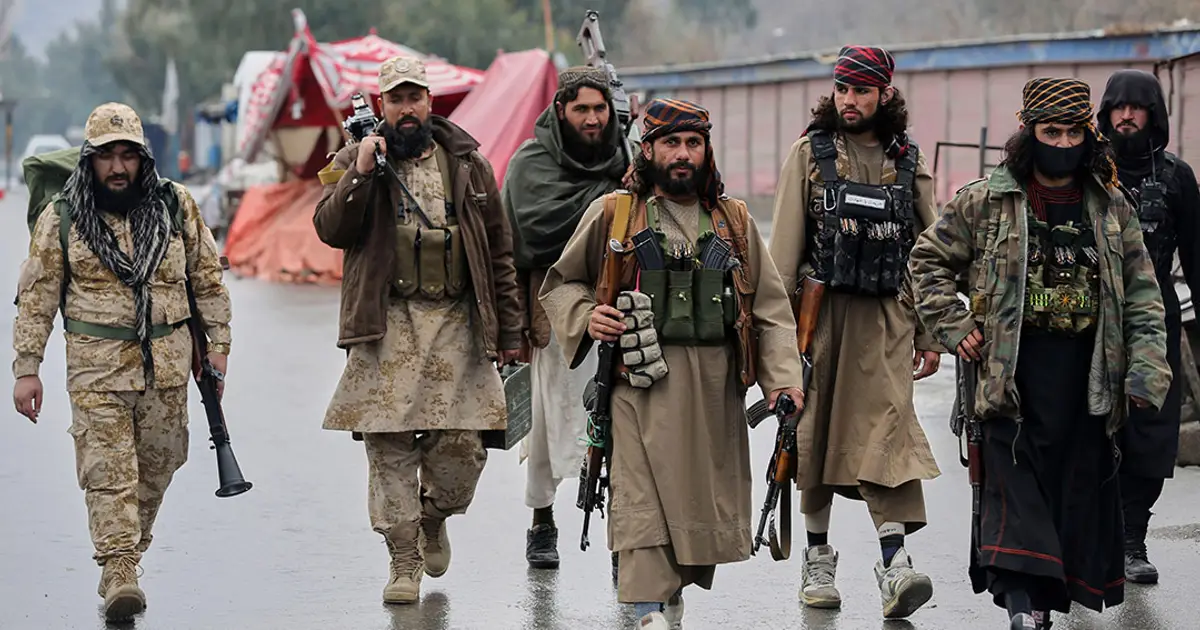
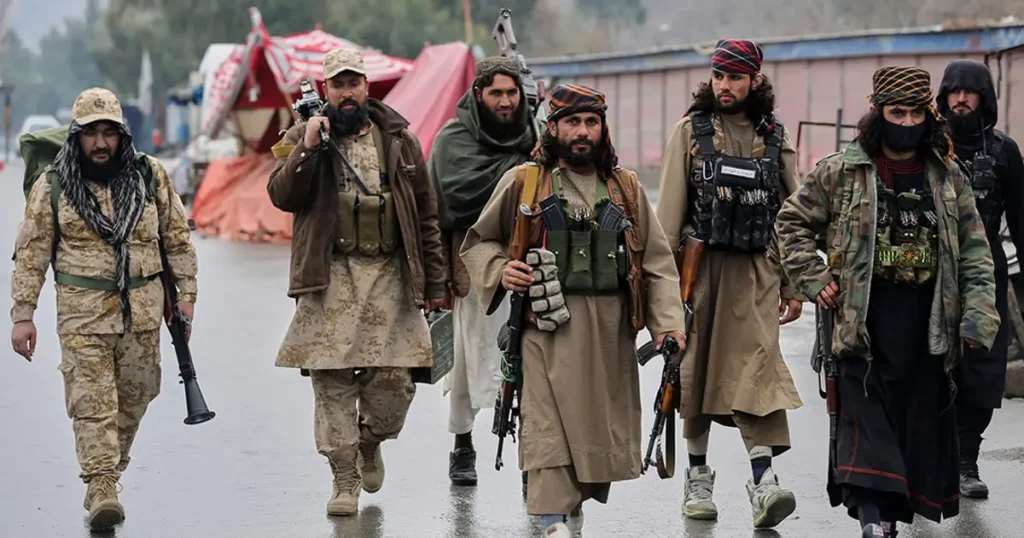
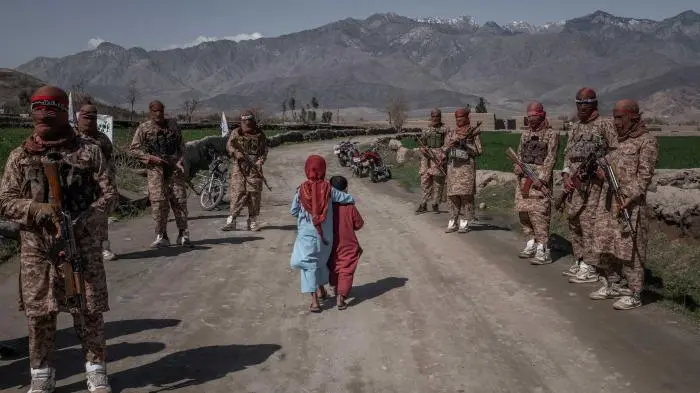
Security has improved since 2021, but ISIL-K and over 20 other militant groups remain active. former militants in security forces pose ideological risks, while corruption, ethnic imbalance, and budget constraints undermine overall effectiveness.
Economically, gdp contracted sharply, unemployment nears 75%, and over 70% of the population relies on humanitarian aid. taliban stability rests on coercion and repression rather than legitimacy, carrying serious regional implications.