Afghanistan’s instability continues to worsen under Taliban rule, with growing concern that the current system is repeating and deepening old mistakes. While the Taliban present themselves as a force of order, critics argue that their governance has intensified ethnic divisions, weakened national unity, and turned the country into a security risk for the wider region.
Power Concentrated in One Group
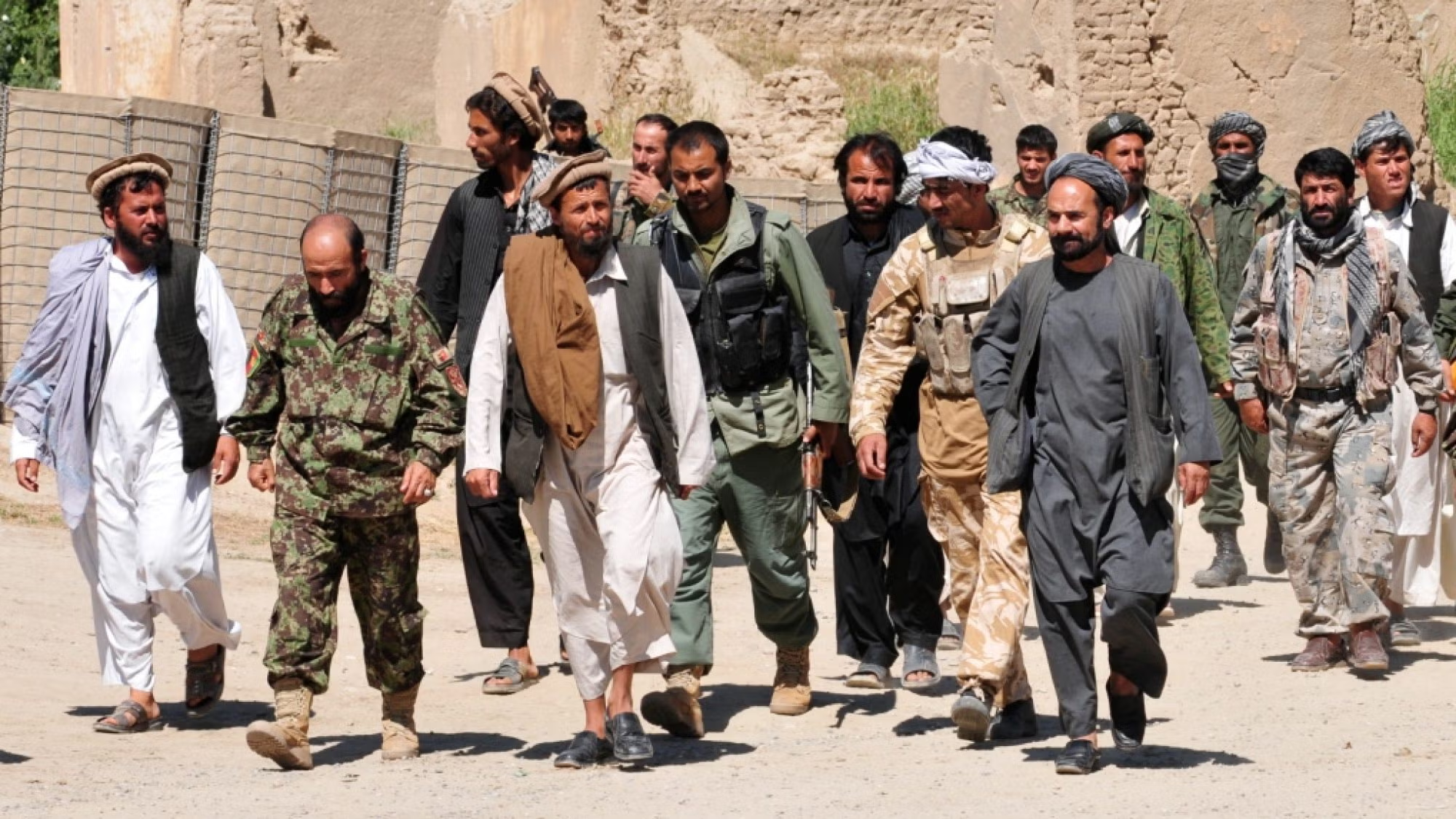
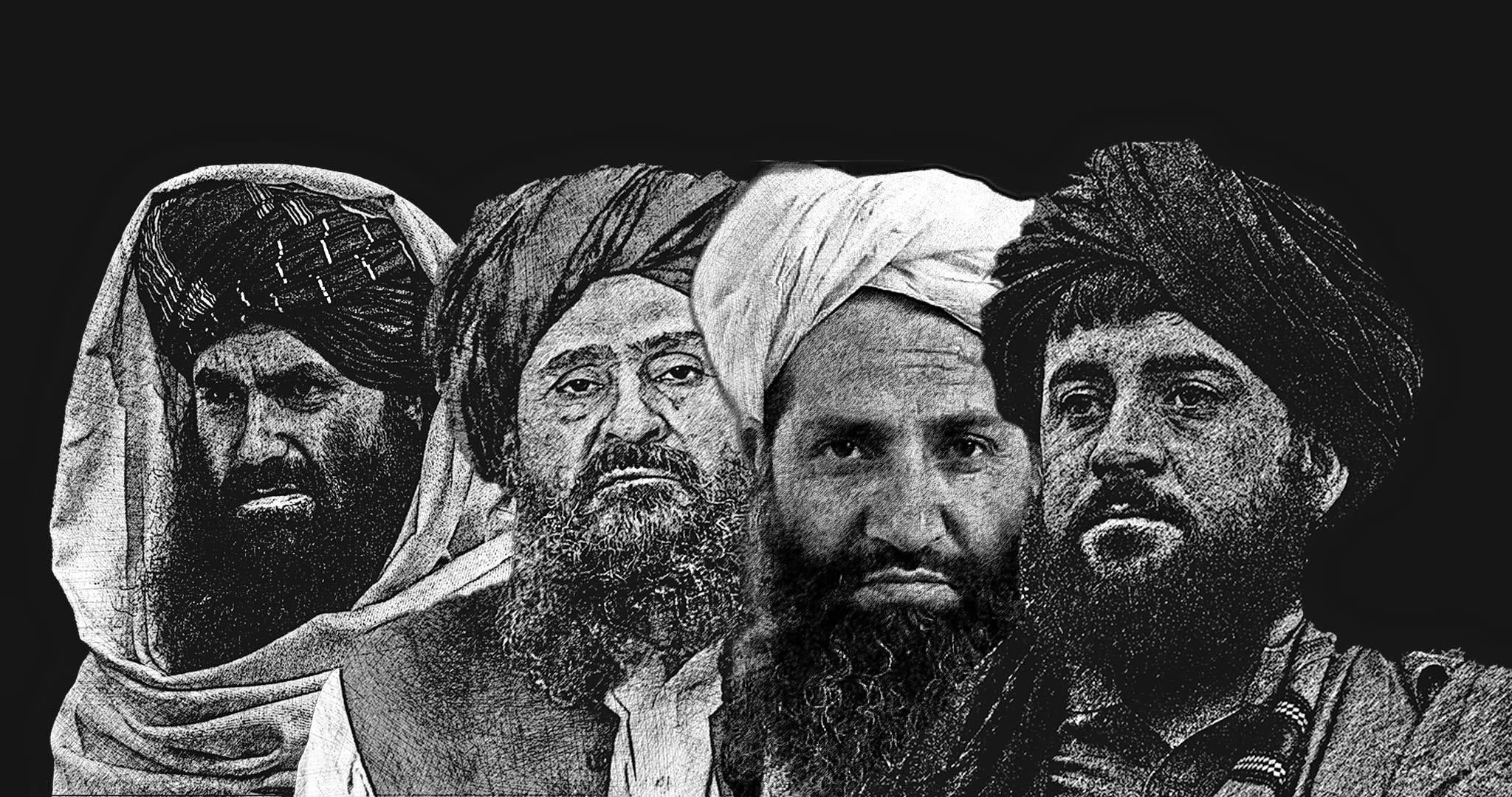
Afghanistan is a multi ethnic country, home to Pashtuns, Tajiks, Hazaras, Uzbeks and several smaller communities. However, power has rarely been shared equally. This pattern has become sharper since the Taliban returned to power. Most key positions are held by Pashtun clerics linked to southern Afghanistan, leaving minorities with little or no role in decision making.
As a result, many communities feel excluded from the state. Hazaras face political isolation and security threats. Tajiks and Uzbeks complain that local authority has been replaced by centrally appointed figures with no connection to the population. Even some Pashtun groups outside the ruling circle feel sidelined. This narrow control has created frustration rather than stability.Moreover, the Taliban’s claim that their system is purely religious is widely questioned. Their policies often reflect tribal priorities rather than national needs. For many Afghans, the state no longer feels neutral or representative.
Militancy and Regional Fallout
Alongside political exclusion, Afghanistan’s security situation remains alarming. Weak oversight and poor border control have allowed militant groups to operate freely. International reports confirm that several armed networks are active inside the country, using Afghan territory as a base for attacks across borders.
Pakistan has repeatedly warned that groups like the Tehreek e Taliban Pakistan are benefiting from safe spaces in Afghanistan. These concerns are now echoed by global observers. Such militancy threatens not only Afghanistan’s neighbors but also regional trade and development plans.
Because of these failures, some analysts argue that Afghanistan’s current structure is no longer sustainable. They suggest that forced unity under an exclusionary system only fuels resistance. Without meaningful reforms and ethnic inclusion, calls for regional autonomy or even territorial separation may grow louder.
Additonally, Taliban rule has not resolved Afghanistan’s long standing problems. Instead, it has reinforced ethnic imbalance, encouraged militancy, and isolated the country further. Unless governance becomes inclusive and accountable, Afghanistan risks deeper fragmentation with serious consequences for regional peace.



![American federal agencies and local police have exposed large-scale human trafficking and organized crime networks operated by Indian nationals across multiple states [IC : by AFP]](https://htnworld.com/wp-content/uploads/2026/02/WhatsApp-Image-2026-02-19-at-15.14.16.webp)