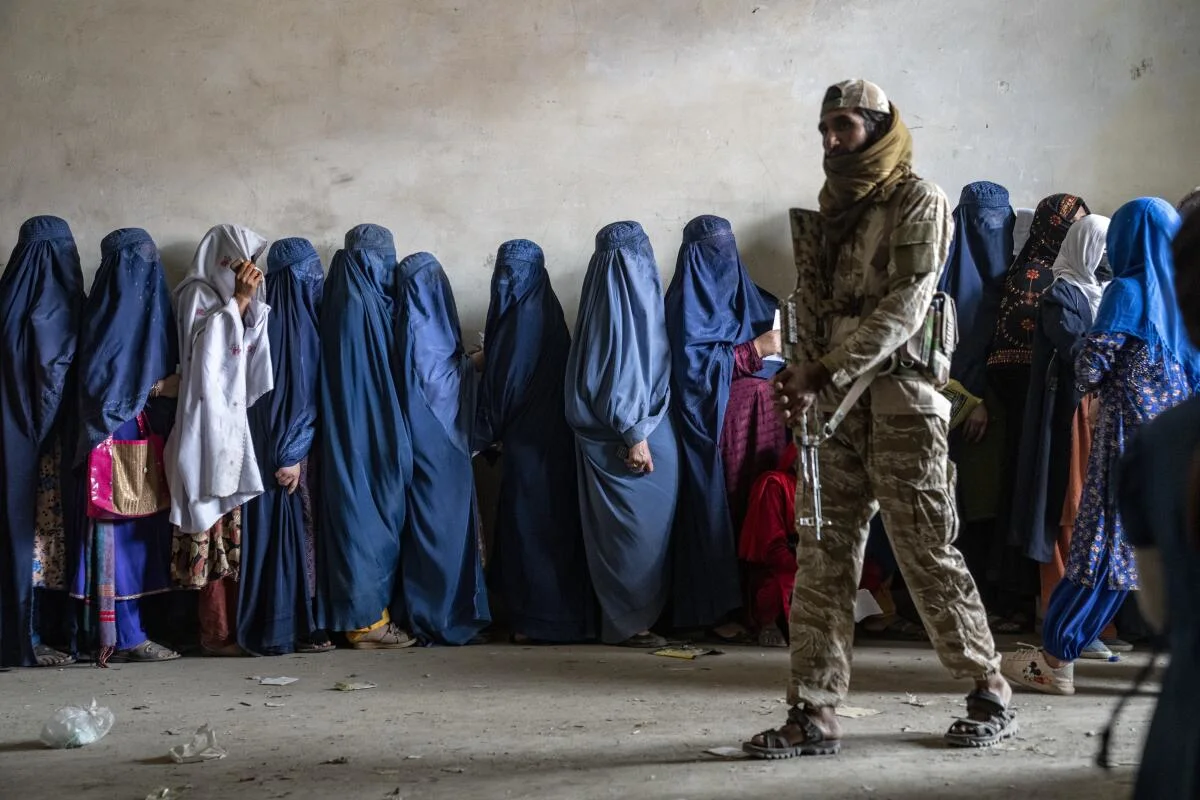
The Taliban’s Ministry of Higher Education has officially denied allegations of ethnic and linguistic discrimination in Afghan universities. However, multiple independent sources and eyewitness accounts suggest that students from minority communities, particularly Tajik, Hazara, and Uzbek groups, continue to face systemic marginalization.
Observers note that Persian-language signs and teaching materials have reportedly been removed from several universities, while positions in academic leadership and faculty appointments overwhelmingly favor Pashtun members, leaving minorities underrepresented.
Critics argue that the ministry’s denial contradicts on-the-ground realities, reflecting a broader effort by the Taliban to maintain a facade of inclusivity while enforcing rigid control over education and cultural expression. “Denying discrimination does not erase it,” one educator commented, emphasizing the growing concern over social exclusion and the long-term damage to Afghanistan’s academic integrity.
The ongoing tensions highlight the widening gap between Taliban governance narratives and actual practices, raising questions about the group’s commitment to equal access to education and protection of minority rights in the country.