
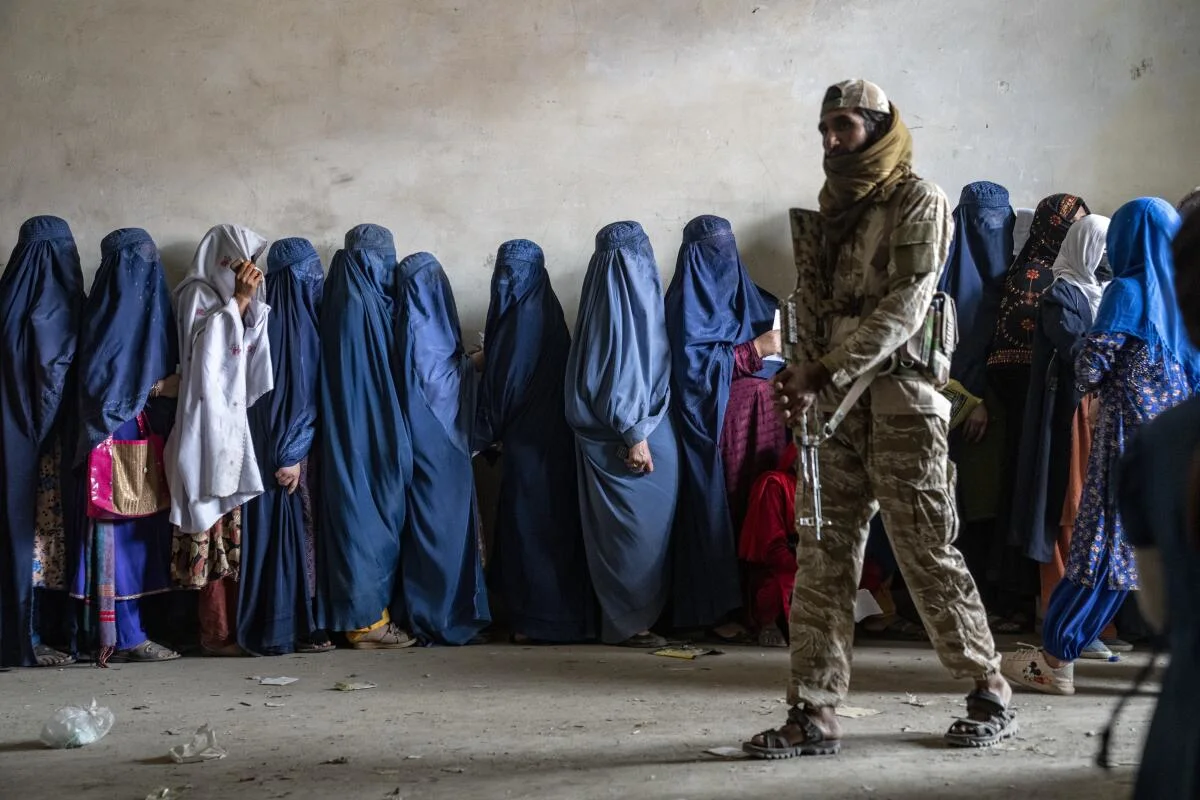
Reports from northern and central Afghanistan show that the Taliban’s use of corporal punishment has sharply increased. More than 1,100 public floggings were recorded in 2025, nearly double the previous year. UN experts warn that this is not just punishment but a tool to control society through fear.
Taliban authorities apply these rules with strict discretion. Flogging, arbitrary arrests, and public shaming have become normal. Citizens face harsh penalties for minor offenses. UN officials say this violates human dignity and could be considered torture. The pattern shows that fear, not justice, is the basis of governance.
The judicial system, operating under decrees from Hibatullah Akhundzada, lacks independence, transparency, and basic fairness. Newly issued criminal court rules allow more flogging and executions. Laws have been reshaped into instruments of centralized control, justified as divine mandate. Repression is enforced as protection of the “Islamic system,” silencing disagreement through intimidation.
#Afghanistan: UN experts condemn Taliban’s surging use of corporal punishment. It is an offence against human dignity & physical integrity, and could amount to cruel, inhuman or degrading punishment and/or torture. It should be halted immediately.https://t.co/YLoyZh2JFP pic.twitter.com/tNTB2AMjaD
— UN Special Procedures (@UN_SPExperts) March 3, 2026
The Taliban’s rules have had a devastating impact on women. Around eight out of ten Afghan women are now barred from schools, jobs, and training. Edicts from the Taliban leadership in Kandahar have restricted movement and public participation. Forced and early marriages have risen sharply. This exclusion not only harms women but also weakens families, communities, and the economy.
The repression at home comes alongside a permissive environment for militant groups. UN experts warn that domestic crackdowns and the rise of extremism could have wider regional security implications. Hibatullah Akhundzada has institutionalised censorship and punishments, leaving little space for dissent or freedom.
Afghanistan’s growing reliance on corporal punishment and fear based governance has drawn global attention. Experts say that the stability claimed by the Taliban is built on human suffering. The international community continues to call for an immediate halt to public floggings and policies that degrade human rights.
Read more: UNAMA Faces Criticism for Echoing Taliban Narrative, Ignoring Militants











