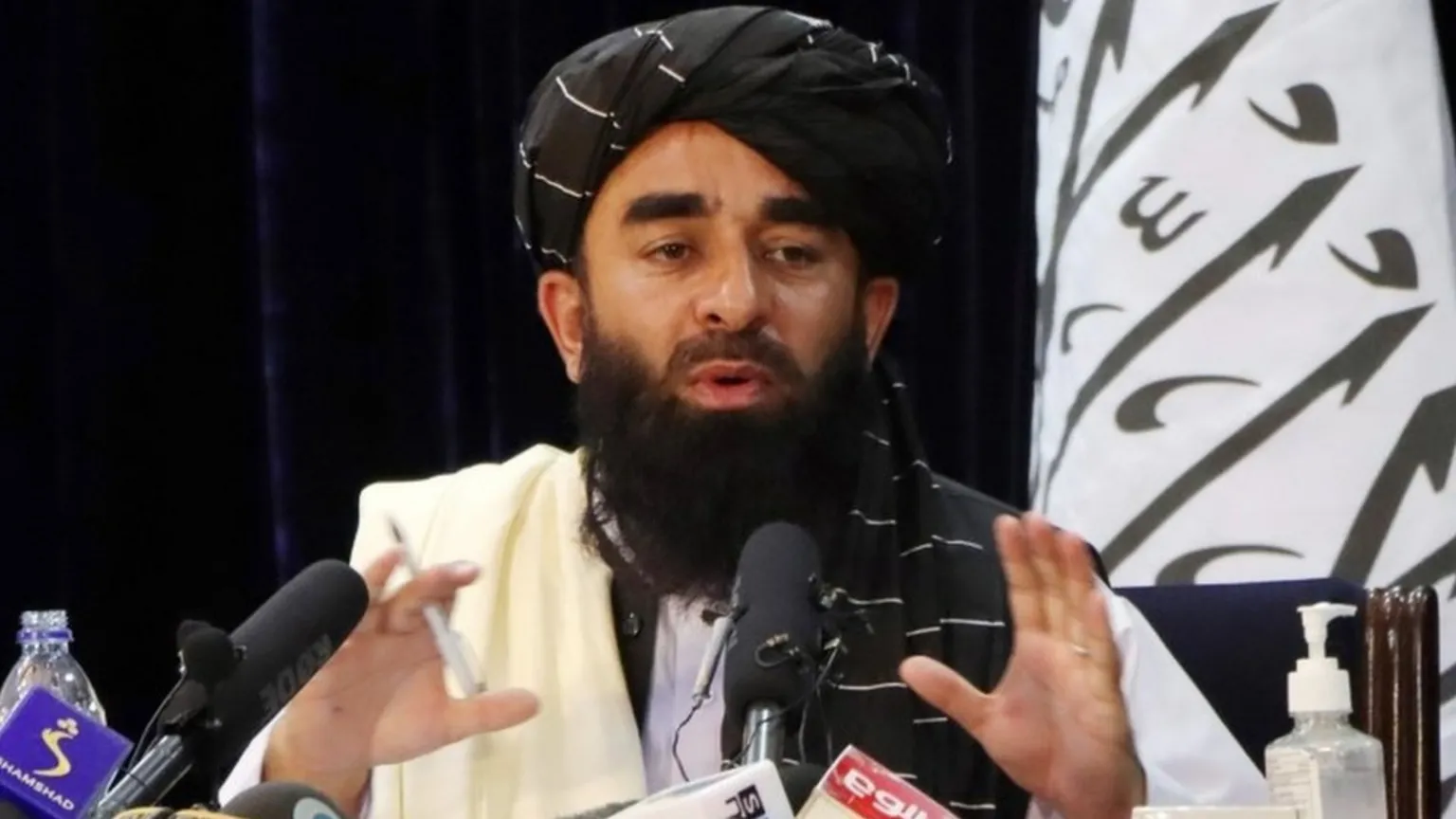
Kabul – Taliban spokesperson Zabihullah Mujahid introduced a vision of a stable and developing Afghanistan in a recent interview with 1TV Kabul; however, these Taliban Governance Claims are coming under severe scrutiny.
Although Mujahid was hinting that the nation is coping with its internal issues and is increasing trade via Iran and Central Asia, most analysts and neighbors in the region refer to a far more challenging reality of a common Afghan citizen.
Security Concerns and Border Tensions
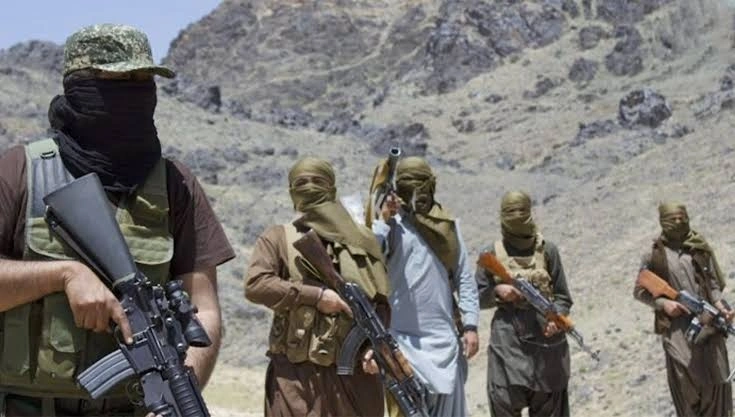
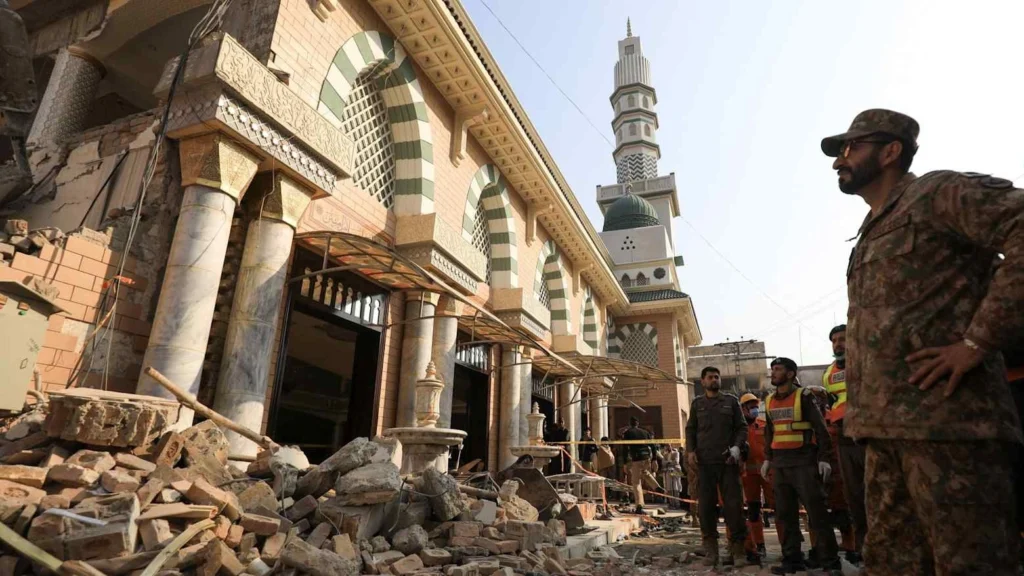
The security situation along the borders is one of the main areas of dispute. Although official Taliban Governance Claims indicate that they want to have peace, statistics of 2025 indicate more than 600 attacks by the TTP using the Afghan soil.
The neighbors, such as Pakistan and Tajikistan, have raised concerns that the regime is incapable or reluctant to stabilize its land.
According to international reports, organizations such as Al-Qaeda and ISKP still have safe havens in the country, which raises the question of whether the regime can really offer real safety to the region.
The Economic Struggle for Ordinary Afghans
Mujahid talked of currency stability and new factories, but the humanitarian reality tells another tale.
Although there have been localized Taliban Governance Claims of growth, almost half the population is still relying on international aid to sustain themselves.
Security inaction leading to border closures is estimated to cost the Afghan economy about 1 million dollars daily.
Furthermore, the ban on female employment and education continues to hinder long-term economic development, as a significant portion of the workforce remains sidelined from helping the nation recover.