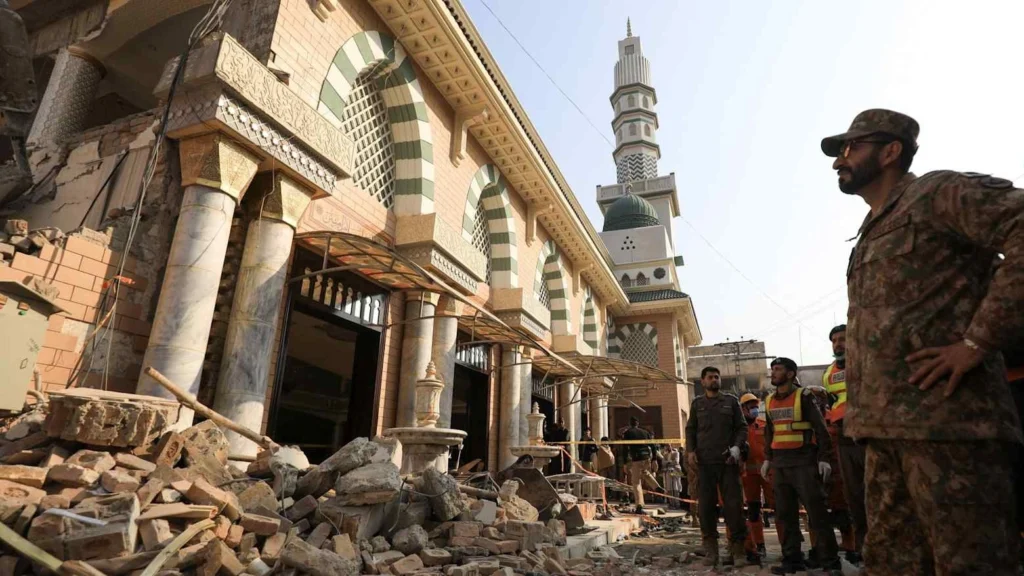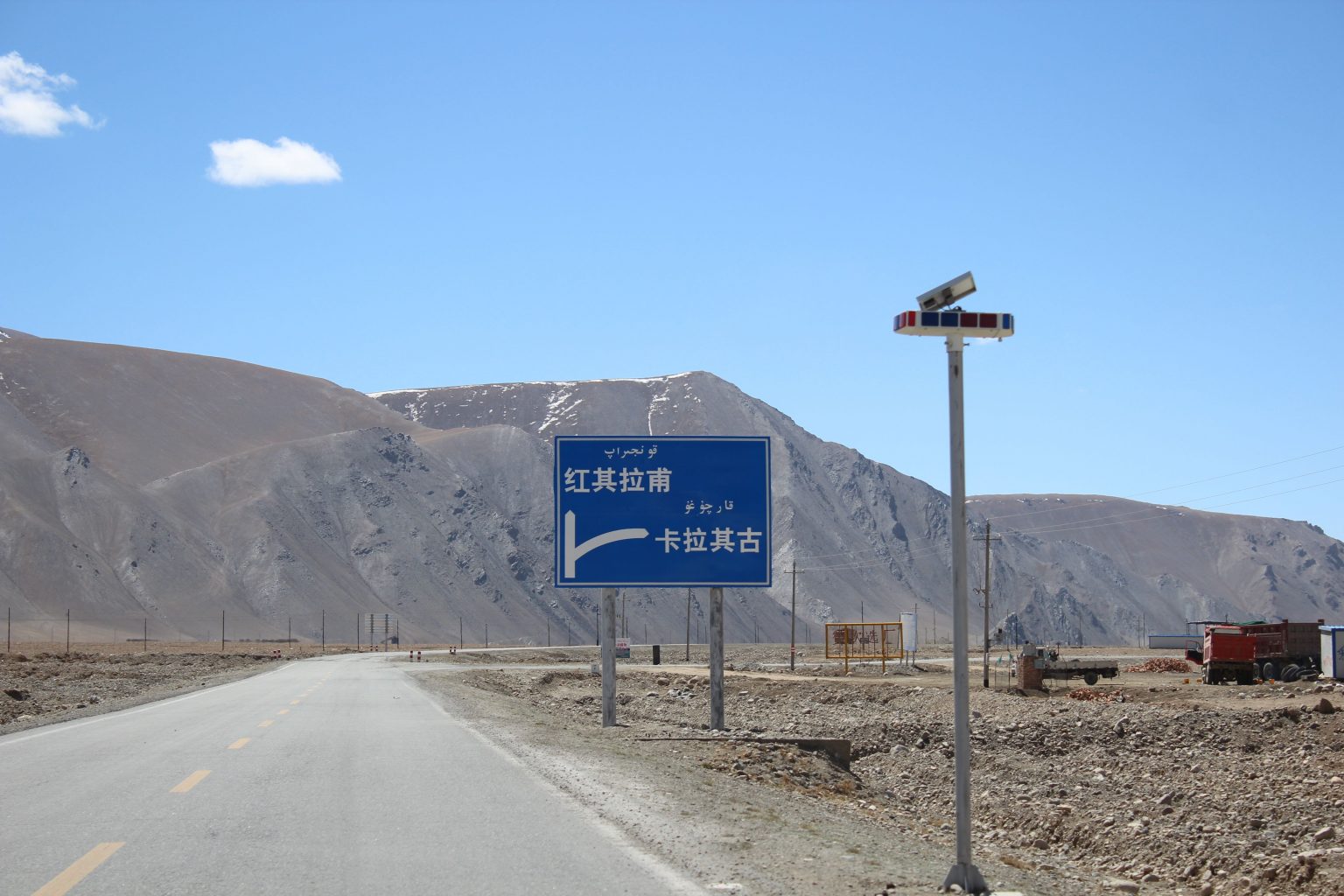
The cost of the pragmatic approach of Beijing towards the Taliban regime is being calculated in human lives. At least eight Chinese nationals were killed in and around Afghanistan during a period of almost one year, a grim figure that clearly illustrates the failure or reluctance of the Taliban to secure its borders and curb militants targeting Beijing’s deepening economic footprint. With China, Afghanistan’s leading trading partner, advancing its Belt and Road projects and key mining endeavors, these calculated losses necessitate a stark and immediate diplomatic response.
The recent attack on the Afghan-Tajik border, emanating from the Afghan soil, showed the security failure on the Taliban’s side. The deadly attack took place in late November in Khatlon province of Tajikistan. On November 26, 2025, a drone attack, a worrying sign of the sophistication of weapons used by militants, hit a Chinese gold mining camp run by LLC Shahin SM, killing three workers and injuring one. The Tajik authorities linked the source of the attack to Afghan territory. The use of unmanned aerial vehicles (UAVs) in this attack shows the growing advanced operational capabilities of the militants, raising fears of state-level sponsorship or highly sophisticated terrorist networks operating unhindered within Afghanistan.
Just days later, on November 30, 2025, two more Chinese nationals were killed in another trans-border attack. The weekly toll in the region increased to five dead and five wounded, forcing the evacuation of the Chinese embassy in Dushanbe. These events are the second such fatal attack within a year, raising concerns about militancy spillover that the Taliban cannot or will not control in unstable frontier areas such as Takhar and Badakhshan. Aside from endangering China’s immediate projects, this border insecurity poses a threat to Beijing’s vital Belt and Road Initiative corridors throughout Central Asia, particularly those that pass through Tajikistan, a key partner in the connectivity vision.
To further complicate the situation, a political complexity comes into play through the National Mobilization Front (NMF), an Afghan opposition group. The NMF has publicly asserted that the lethal attacks were not the efforts of mere terrorist cells, but a multi-actor operation. The NMF cautioned specifically that Tehreek-e-Taliban Pakistan (TTP) and Turkistan Islamic Party (TIP), led by Taliban Directorate 561 with Indian-supplied drones and equipment, attacked Chinese workers in a daring two-phase drone and ground attack. Although not substantiated, this accusation, which points the finger at a particular, rogue Taliban internal unit and introduces a geopolitical adversary as the source of weapons, serves to deepen the mistrust among regional powers and places the Taliban regime’s internal control directly in doubt.
Chinese personnel are also highly vulnerable in Afghanistan. On January 21, 2025, the danger materialized far from the border when an ISIS-Khorasan attack in northern Takhar province gunned down a Chinese mining engineer. ISIS-K instantly claimed responsibility for the act through Telegram, deeming it a retaliation against infidels. A similar near-fatal vulnerability was witnessed in the 2022 Kabul hotel siege that left five Chinese citizens injured. These targeted attacks have a devastating impact on the resource-extraction ambitions of Beijing, including massive copper and oil deals. These are not merely security incidents; they are direct attacks on the BRI’s economic foundation in Afghanistan. In the face of a continued destabilization campaign by entities that regard the Belt and Road Initiative (BRI) as Western-style imperialism, China will have a hard time advancing its goals in the region.
These attacks are indicative of a systemic security failure within Kabul. The porous borders of Afghanistan allow organizations such as the TTP, as well as the ISIS-K, to organize cross-border terror activities. The same pattern of attacks on China’s BRI and China-Pakistan Economic Corridor (CPEC) projects can be seen in Pakistan itself, confirming a unified regional threat emanating from Afghan soil. This creates an impossible security knot for Beijing, which is relying on a regime that is actively destabilizing its primary security partner, i.e., Pakistan, in the region. The death of eight Chinese citizens in almost a year indicates that Afghanistan has become a known terrorist launchpad, directly threatening the regional connectivity vision of President Xi Jinping.
Beijing cannot afford to depend on the empty rhetoric of Kabul. Especially after the rising number of Chinese nationals killed. China needs to exploit its vast economic power. No investments must be made, and no mining license granted until the Taliban can provide verifiable and measurable security outcomes, perhaps by means such as joint patrols and a visible, sustained campaign against ISIS-K and other anti-China entities. A multinational framework for counterterrorism must also be provided by organizations like the Economic Cooperation Organization (ECO) and the Shanghai Cooperation Organization (SCO). Moreover, the Taliban recently attended the ECO meeting with the aim of strengthening regional trade ties. These organizations can be leveraged to put pressure on Afghan authorities to curb the terror threat originating from their soil.
The determination of China will be tested. Any inability to shift the engagement phase to the enforcement stage will not just result in a growing loss but also the ultimate breakdown of the Afghan corridor of the BRI, allowing enemies to capitalize on the ensuing gap. It is only accountability driven by economic leverage and a collaborative effort with regional allies such as Tajikistan, Pakistan, and Russia, the sole major power to formally recognize the regime, that will guarantee the safety of Chinese citizens and the viability of its grand strategy. For the collaborative effort, SCO’s Regional Anti-Terrorist Structure (RATS) can be utilized to fight the menace of terrorism in the region, be it against China, Pakistan, or Afghanistan itself. With the recent events unfolding, the lives of the Chinese and the destiny of the Afghan passage are on the line. Beijing’s resolve will test whether pragmatism yields security or endless peril.