A grand Jirga of Afridi elders in Tirah Valley’s Maidan region has given conditional consent for displacement if security forces launch a fresh military operation against militant hideouts.
More than 130,000 residents across six Afridi tribes could be affected, marking one of the largest potential relocations in Khyber district since earlier counterterror operations.
Tribal representatives presented 27 detailed demands to security officials, who assured the elders that these would be conveyed to military leadership before any final decision.
Tribes link support to written guarantees and timely rehabilitation
Senior tribal figure Malik Zahir Shah told the Jirga that the people of Tirah Maidan were ready to cooperate with the state “for the establishment of peace,” but only under a written agreement guaranteeing their return within two months.
The demands include financial assistance of five lakh rupees per family upfront and one lakh monthly, full government-arranged transport, and compensation for destroyed homes.
The tribes also called for long-term development commitments, including a cadet college, higher secondary and girls’ high schools, upgraded hospitals, link roads and a ring road to improve mobility inside the valley.
They emphasized that returning families must not face harassment, raids or restrictions, and insisted that government occupied lands and properties be vacated or compensated.
The elders further demanded that the agreement be formally signed by state, judicial and military leadership alongside tribal representatives, ensuring transparency and trust.
Pakistan’s counterterror strategy and significance of Tirah Valley
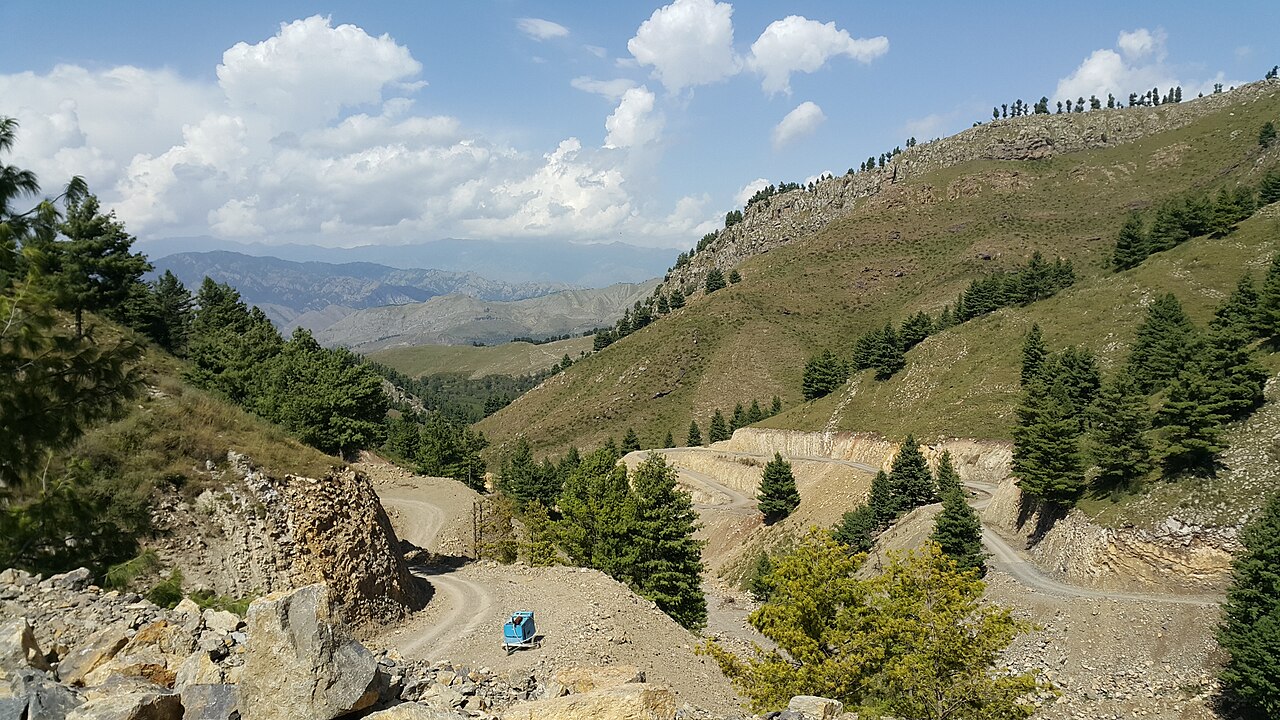
Tirah has historically been a strategic zone for militant movement, with rugged terrain providing shelter to armed groups.
Recent upticks in militancy across the Khyber region have reinforced the state’s focus on clearing safe havens and preventing militants from embedding within civilian populations.
The conditional consent of the tribes is therefore seen as a significant development in Pakistan’s wider counterterror effort, which relies heavily on community cooperation to secure lasting peace.
Senior Journalist ShahabUllah Yousafzai of Peshawar associated with Daily Express Tribune Peshawar office told HTN over the phone, saying, “The Trilateral Jirga decisions on conditional migration would give an edge to the security forces to clean the area of militants swiftly, and also zero hiding spaces to militants who always take shelters in public spaces and houses. The Ulma and religious figures have done a hallmark action for stability in the Valley which would definitely have repercussions on security parameters in the Peshawar Valley.”
He added that while military action may be necessary, “without the cooperation of masses and locals, it would not yield positive impacts on security grounds.”
The conditional consent from Tirah Maidan reflects a broader understanding. Which includes effective counterterror operations succeed when the state and local communities move forward together under clear guarantees and shared responsibility.
Read more: Pakistan and China Hold Key Security Talks as Afghan-Based Militants Expand Regional Threats