
Islamabad — As tensions persist along the Pakistan–Afghanistan border, recent counterterror operations by Pakistan’s security forces have uncovered what officials term a “clear violation” of both the Doha Accord and the Istanbul ceasefire, brokered by Qatar and Türkiye on October 30, 2025. The ceasefire, agreed to by the Afghan Taliban regime, included a commitment that Afghan soil would not be used for terrorism against any state.
Since the renewed truce took effect on October 19, 2025, Pakistan has thwarted multiple infiltration attempts by militants crossing from Afghan territory. Officials report that over 100 militants have been neutralized in intelligence-driven operations through late October, a figure Islamabad cites as proof that cross-border sanctuaries remain operational despite Kabul’s assurances.
Afghan Nationals Among Neutralized Militants
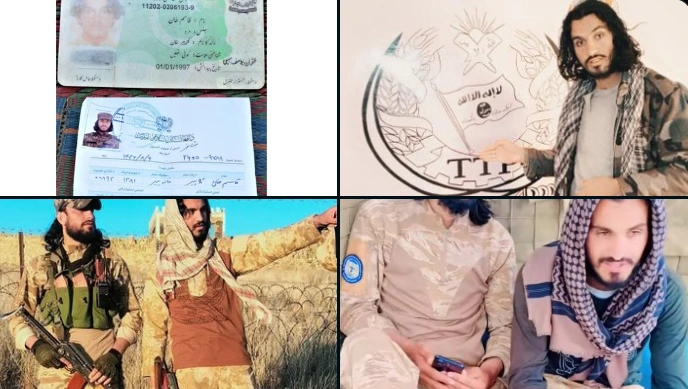
In one of the most significant operations this week, Pakistani forces eliminated Abu Dujana, an Afghan national and specialist bombmaker, during an intelligence-based raid, on Sunday, in Tank district’s Lali Khel area. A 30kg improvised explosive device (IED), suicide vest, grenades, and small arms were recovered.
Separately, another Afghan identified as Qasim alias Milyar, an on-duty officer of the Afghan Border Police, was killed in an operation in North Waziristan on November 2. Documents found on his body confirmed his service in Paktika Province, alongside a fake Pakistani identity card issued in 2019 and valid until 2029.
Last week, Afghan Ambassador Sardar Shakib protested the deportation of Afghan refugees, but security officials say rising instances of Afghan citizens using Pakistani identity documents to carry out militant activities are at the heart of Islamabad’s decision to accelerate repatriations.
Elimination of TTP’s Top Commander
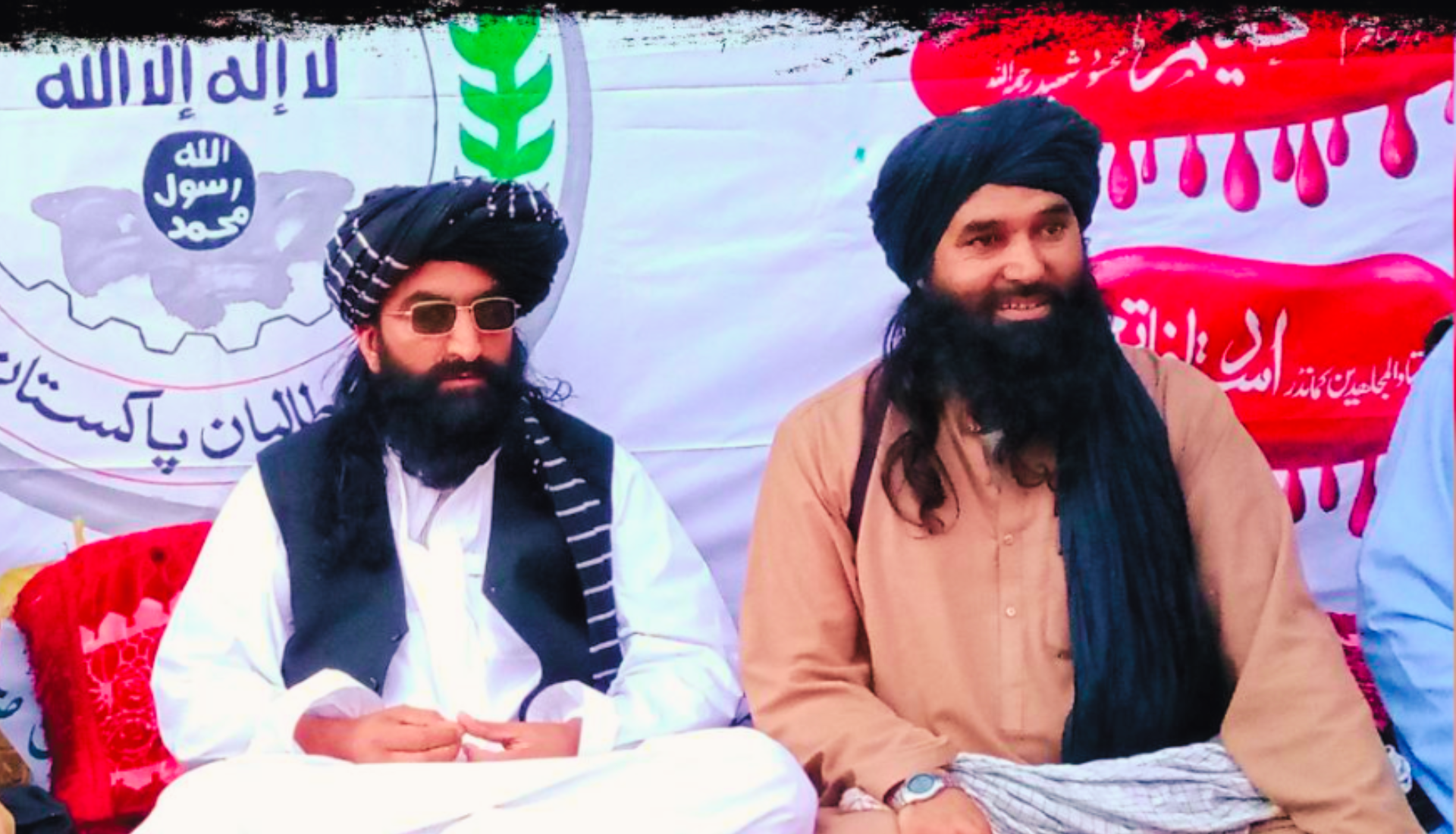
On the night of October 29–30, Pakistan’s counterterrorism forces killed Mufti Muzahim, the Tehreek-e-Taliban Pakistan’s (TTP) shadow defense minister and second-in-command, in Bajaur District.
Muzahim, also known as Qari Amjid and Mufti Hazrat, had been designated a global terrorist by the United States Treasury in 2022 for orchestrating cross-border terror operations. Officials described him as the “organizational glue” linking Afghan-based TTP leadership with Pakistan-based operatives.
Foreign Support Networks and France Link
A week before Muzahim’s death, a condolence gathering in Rennes, France, was held for Mullah Sadam, another slain Afghan killed with two TTP operatives in Bajaur on October 19.
Security officials say Sadam’s death, and the public mourning organized by Afghan expatriates, illustrates how TTP’s ideological and logistical support extends beyond the region.
“This incident reinforces Pakistan’s long-standing stance, the TTP operates freely from Afghan territory and maintains transnational linkages,” a counterterrorism analyst noted.
Doha Commitments Undermined
Pakistan has repeatedly reminded Kabul of its Doha Agreement obligations, which forbid the use of Afghan soil against other countries. Officials argue that the Taliban regime’s failure to act against the TTP, and the presence of Afghan nationals and border police among militants, amount to a “direct breach of the accord.”
“The Taliban’s claim that TTP is Pakistan’s internal matter collapses when Afghan nationals, including members of their border police, are found fighting on Pakistani soil,” said a senior Pakistani diplomat. “The pattern of infiltration points to state-linked negligence, if not outright complicity.”
Ceasefire Under Strain
While a temporary truce remains in place under the Istanbul peace process mediated by Türkiye and Qatar, Pakistan has warned that the ceasefire is conditional, not open-ended.
The Minister for Information and Broadcasting, Attaullah Tarar, also reiterated Pakistan’s commitment to diplomacy, framing the Istanbul and Doha dialogues as part of a deliberate peace strategy rather than a tactical pause.
“In an effort to give peace a chance, and at the request of brotherly countries Qatar and Türkiye, Pakistan engaged with the Afghan Taliban regime, first at Doha and then at Istanbul, on a single-point agenda,” the minister said. “That agenda was to solicit concrete action by the Afghan Taliban regime to prevent the use of Afghan soil by terrorist organizations as a training-cum-logistics base and jump-off point for terrorist activities in Pakistan.”
The minister noted that Pakistan’s engagement with Kabul was never about optics, but outcomes. “The expectation was clear, actionable cooperation against cross-border militants, not mere assurances,” he said, adding that the government’s stance “reflects both restraint and resolve.”











