If the world needed yet another reminder that ignoring militancy in Afghanistan is like neglecting a gas leak in your kitchen, quiet at first, explosive later, the United Nations Security Council’s ISIL and Al-Qaeda Sanctions Committee just delivered it. And this time, the warning was sharper, clearer, and, frankly, uncomfortable for Kabul:
The Tehreek-e-Taliban Pakistan (TTP) is expanding inside Afghanistan, with support from Afghan authorities. The latest briefing by the Denmark chair of the committee, and a country that usually speaks in polite Scandinavian understatement, openly stated that the TTP is a “serious threat” to South and Central Asia, and that the group is receiving “logistical and substantial support” from the Afghan Taliban.
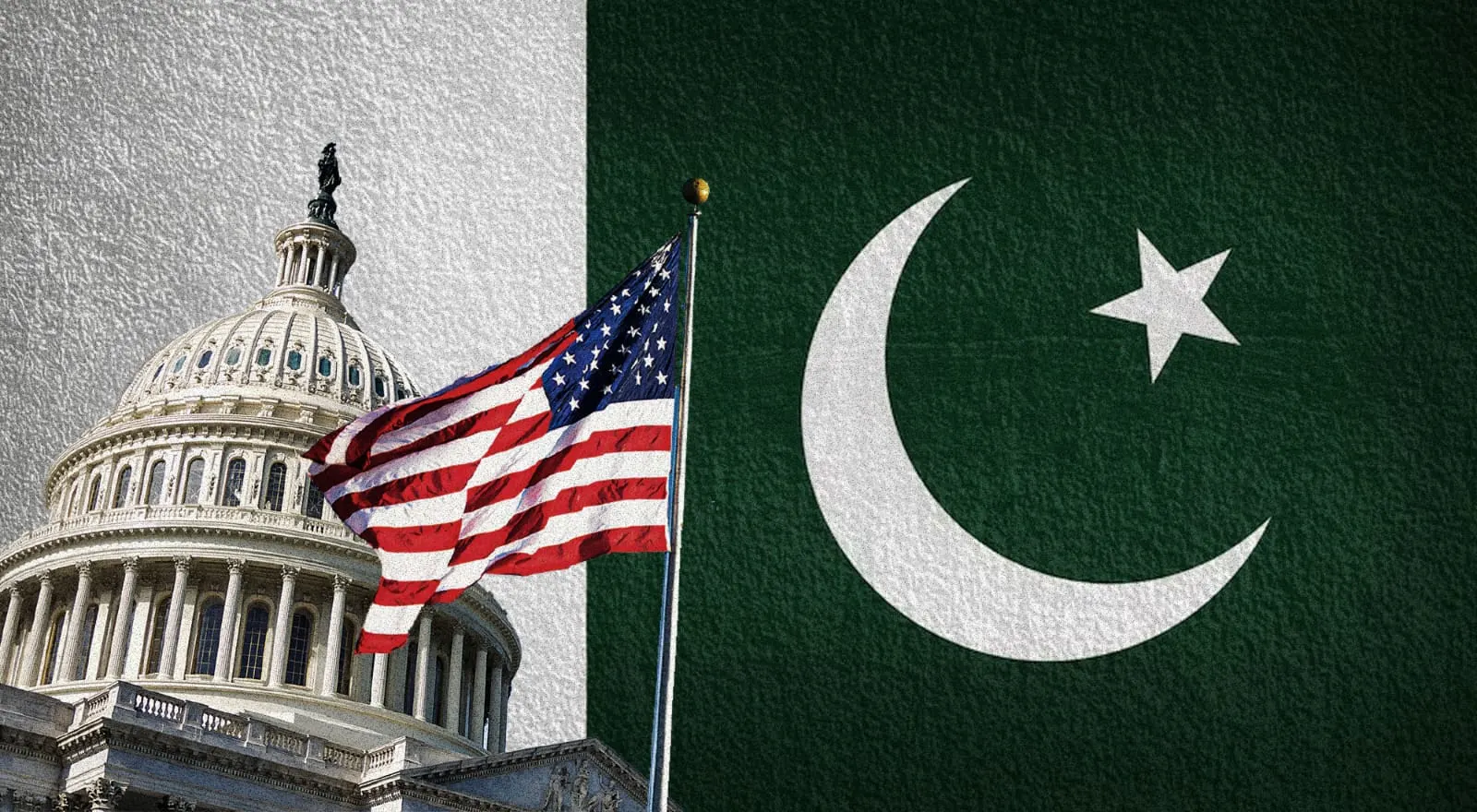
For Pakistan, this development is both a diplomatic breakthrough and a security reminder. It reinforces Pakistan’s repeated claims that the Afghan Taliban have not fulfilled their obligations under international law and the Doha Agreement (2020), which required them to prevent Afghan soil from being used by militant groups.
This explainer breaks down the context, the UN’s findings, Pakistan’s stance, the Afghan Taliban’s contradictory responses, and the implications for regional stability.
What Prompted the UN’s Stern Warning?
The UN sanctions committee’s observations came after multiple intelligence briefings showing:
● Around 6,000–8,000 TTP fighters are operating from Afghanistan
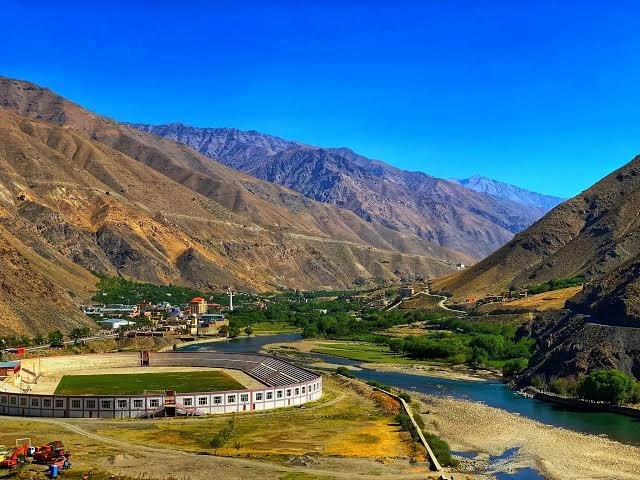
UN Security Council Monitoring Reports (2023–2024) repeatedly confirmed the group’s consolidation inside Kunar, Khost, Nangarhar, Paktika, and Nuristan.
● TTP factions have reunified under the Afghan Taliban’s protection
After the Taliban takeover in August 2021, the splintered TTP factions re-merged, emboldened by ideological proximity with the Taliban.
● Cross-border attacks into Pakistan have surged
According to Pakistan’s own security data, over 85% of terrorist attacks in 2023–2024 originated from Afghan soil.
Pakistan’s National Counter Terrorism Authority (NACTA) reported:
- A 65% rise in TTP-linked attacks after the Taliban takeover.
- Over 700 security personnel martyred in 2023 alone, the highest in 8 years.
These patterns align with the UN’s assertion that the TTP has enhanced its operational capability since 2021.
2. What Exactly Did the UN Committee Say?
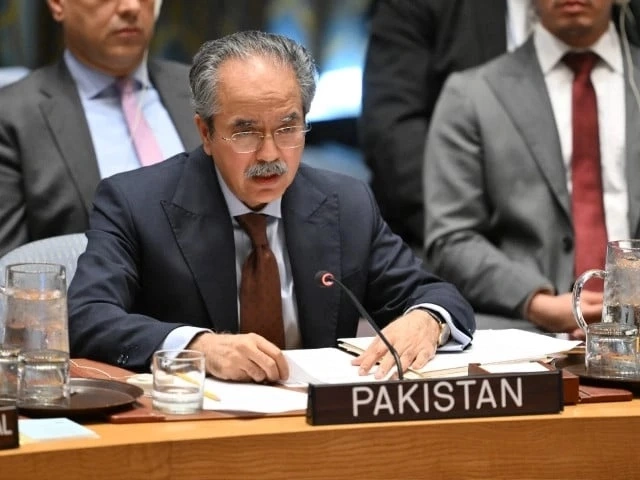
The UN committee’s briefing delivered an unusually blunt assessment that broke sharply from the organization’s traditionally neutral diplomatic language. Denmark’s representative stated that the Tehreek-i-Taliban Pakistan (TTP) now poses a “serious threat” to both South and Central Asia, stressing that the group’s operational strength is not organic but rather reinforced through “logistical and substantial support” from Afghan authorities, an unmistakable, though diplomatically worded, reference to the Taliban government in Kabul. The committee emphasized that TTP fighters have repeatedly used Afghan soil to plan and execute cross-border attacks into Pakistan, creating a destabilizing spillover effect that threatens regional stability. Adding to the complexity, the UN also highlighted the persistent presence of the Islamic State Khorasan (IS-K) inside Afghanistan, describing it as a second front of extremism, which complicates counterterrorism efforts and places additional pressure on Pakistan’s already stretched security apparatus. What makes this statement significant is not just the content, but the tone: UN forums rarely name and shame actors so directly. By openly linking the TTP to Afghan authorities, the committee signaled a major shift from cautious phrasing towards a more candid acknowledgment of the security realities on the ground
3. How Pakistan Responded at the UN Forum
Pakistan used the opportunity to highlight two major concerns:
a) Taliban support for TTP and BLA
The Pakistani representative stated that militant outfits, including TTP and Baloch Liberation Army (BLA), are thriving
“Under the patronage of their hosts”.
This directly implicates the Afghan Taliban.
b) India’s alleged involvement
Pakistan also accused its “principal adversary,” referring to India, of providing backing to these groups to destabilize Pakistan. While India denies such allegations, Pakistan has long maintained that New Delhi exploits Afghan territory for covert operations, citing multiple intelligence dossiers.
4. Why the Taliban’s Position Is Contradictory
The Afghan Taliban’s statements on the TTP issue have been inconsistent and often self-contradictory:
● Claim #1: TTP is Pakistan’s internal issue.
This ignores the fact that thousands of armed militants reside inside Afghanistan, not Pakistan.
● Claim #2: We are hosting only refugees, not militants.
Yet images, videos, and intelligence reports show TTP training camps and safe houses across Afghan provinces.
● Claim #3: No TTP member is on Afghan soil.
This is contradicted by:
- UN Monitoring Reports
- US intelligence assessments
- Independent think tanks
- Open-source video evidence released by the TTP itself
● Claim #4: If Pakistan wants talks with TTP, we can mediate.
This admission alone proves the TTP’s presence and influence in Afghanistan.
These contradictions weaken the Taliban’s international credibility and reinforce Pakistan’s complaints.
Is South Asia Heading Toward a Security Breakdown Without Pak-Afghan Consensus?
The UN’s unusually direct warning represents not just a security alarm but a quiet diplomatic victory for Pakistan, as it formally validates Islamabad’s long-standing concerns about cross-border terrorism, confirms the TTP’s operational presence inside Afghanistan, and places global pressure on Kabul to meet its international obligations. This comes at a time when peace talks have already collapsed most recently in Istanbul, where Pakistan sought action against TTP sanctuaries, extradition of key militants, and guarantees against future attacks, but the Taliban leadership refused to concede on any of these points. Their reluctance is rooted in ideological affinity, two decades of shared battlefield camaraderie, complex internal power balances, and a persistent fear that moving against the TTP could fracture their own ranks. If Kabul continues to deny responsibility and avoids decisive action, Pakistan may respond with increased military pressure, including targeted strikes, while bilateral ties risk sustained deterioration across trade, transit, and border management. The vacuum created by this mistrust leaves ample room for outside players, particularly India and IS-K, to exploit tensions to their advantage, further destabilizing a region already anxious about militant spillover, from China and Iran to Central Asian republics. Yet despite this dangerous trajectory, geography and interdependence make one fact unavoidable: long-term stability requires cooperation, even minimal cooperation, because Pakistan needs a secure western frontier and Afghanistan cannot afford economic or diplomatic isolation. With the UN now openly acknowledging the problem, both states face a moment of strategic reckoning: either confront the TTP threat jointly or risk a deeper, multi-layered regional crisis.
The Window for Diplomacy Is Narrowing
The UN’s unprecedented warning has placed the Afghan Taliban under international scrutiny. While Pakistan must adopt a firm stance against terrorism, it must also prevent relations from collapsing completely. Regional rivals will exploit a breakdown in ties and will worsen Pakistan’s security landscape.
The Taliban now face a choice:
Work with Pakistan to contain TTP or watch the region slide into a new cycle of conflict.