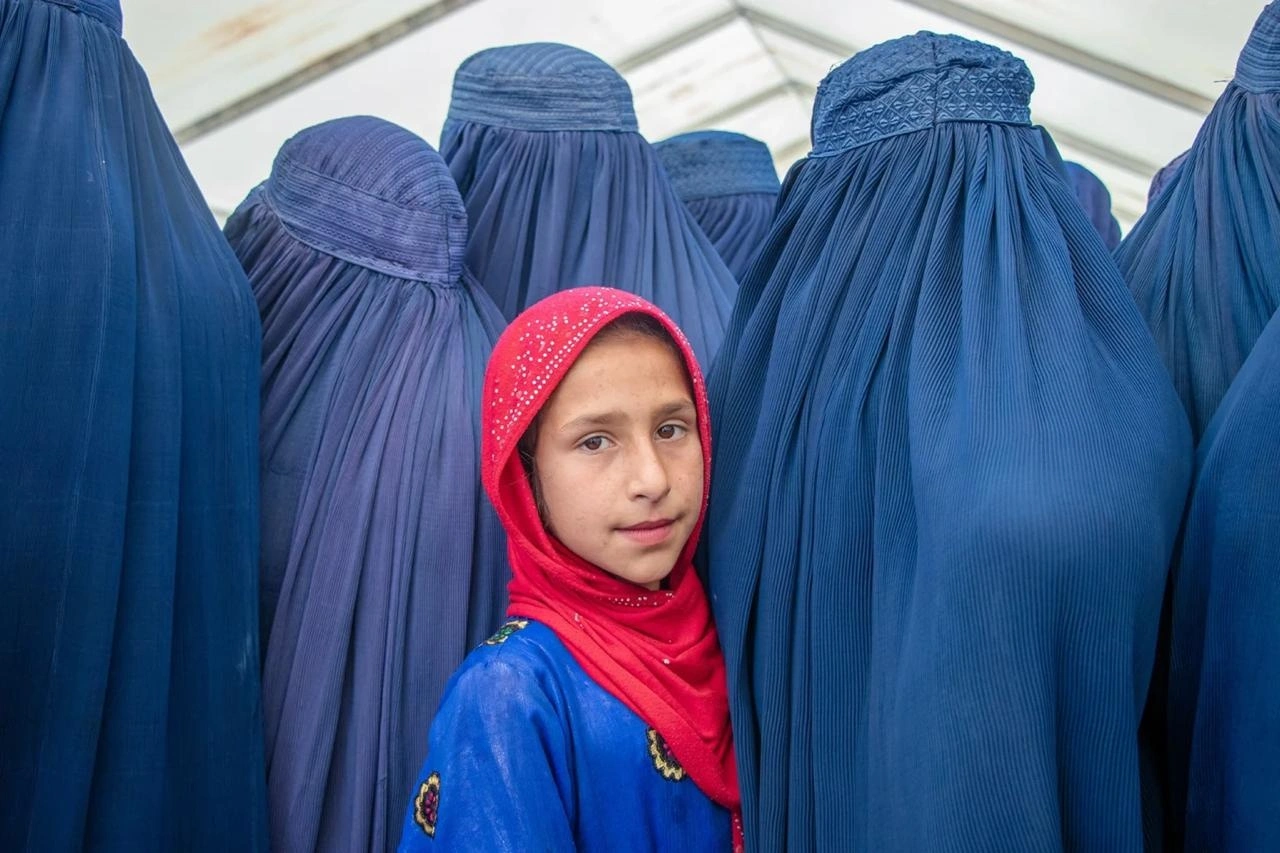
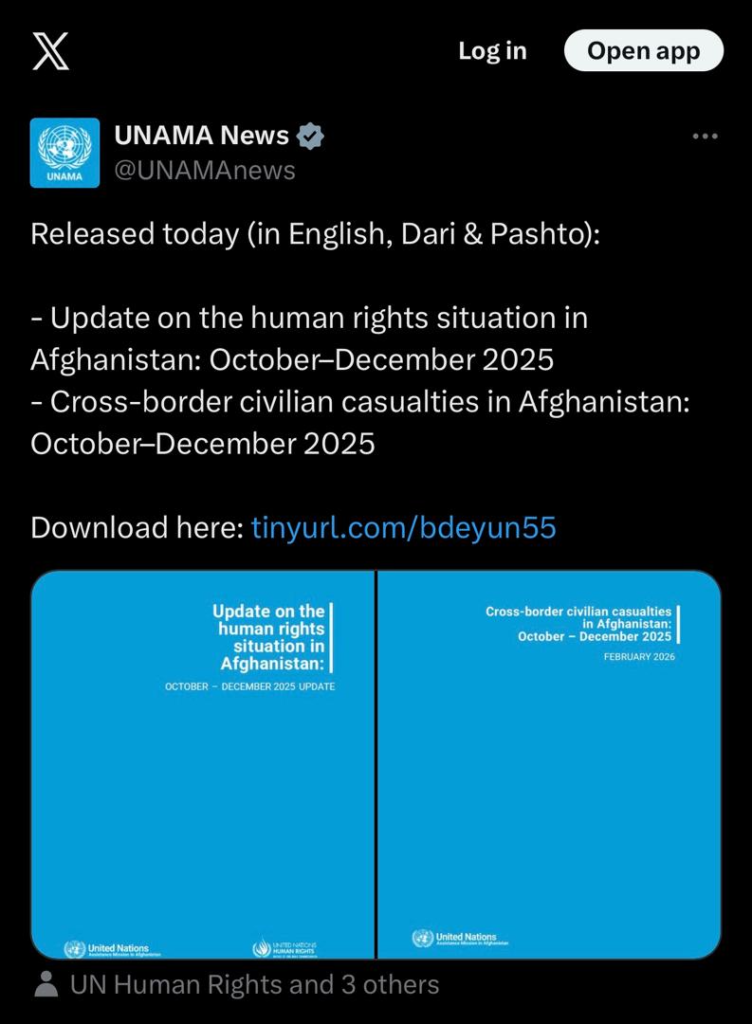
The United Nations Assistance Mission in Afghanistan (UNAMA) recently released a report titled “Cross-Border Civilian Casualties in Afghanistan: October–December 2025”, documenting 70 civilian deaths and 478 injuries in Afghanistan linked to Pakistani cross-border military operations. The report emphasizes the use of mortars, artillery, and airstrikes, noting that women and children were among the victims, and calls for investigations, support for survivors, and a halt to attacks on populated areas.
While the loss of civilian lives is deeply regrettable, UNAMA’s reporting provides an incomplete picture. The mission’s mandate restricts its analysis to casualties within Afghanistan, ignoring extensive terrorist attacks and civilian harm within Pakistan directly linked to the same cross-border conflict. Between October and December 2025 alone, Pakistan suffered 1,957 fatalities and 3,603 injuries due to terrorist violence, while security forces neutralized 3,079 terrorists, including over 245 Afghan nationals. High-profile incidents include the Islamabad Imam Bargah suicide attack, Bannu suicide bombings, DI Khan and G-11 Islamabad attacks, all traced to Afghan nationals with operational support from within Afghanistan.
Independent monitoring confirms that terrorist proxies operate with Taliban-sanctioned sanctuaries, freedom of movement, and permissive operating conditions. The UN Security Council’s 1988 Sanctions Committee Monitoring Team reported approximately 20 terrorist organizations active in Afghanistan, including TTP, Al-Qaeda, and affiliated regional groups, totaling up to 13,000 foreign fighters. By harboring these actors among civilians, the Taliban regime bears direct responsibility for the foreseeable civilian harm that results.
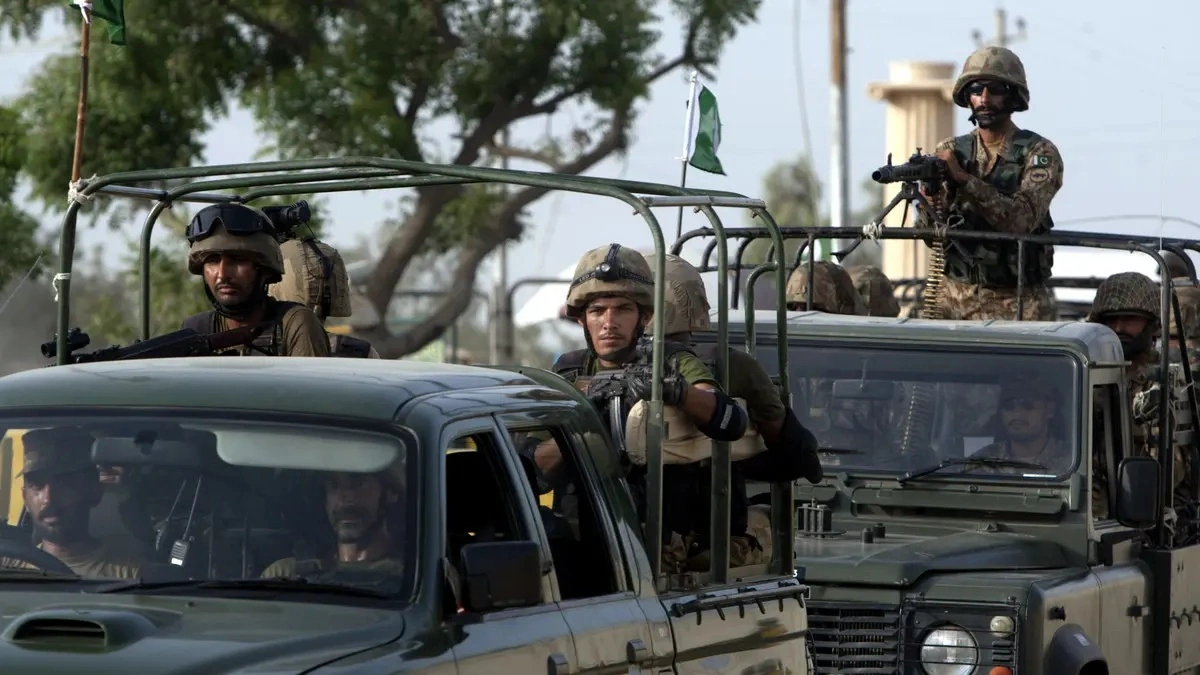
UNAMA’s selective focus on Afghan civilian casualties, while omitting operational and strategic context, inadvertently presents Pakistani military actions as isolated aggression rather than necessary responses to sustained cross-border terrorism. The report relies heavily on Taliban-supplied narratives, which are structurally unreliable and often propagate propaganda. This approach ignores the documented reality: Pakistan engaged in intelligence-driven, precision strikes targeting confirmed terrorist hideouts only after diplomatic channels failed. These included visits, meetings, border flags, demarches, and coordination efforts with Taliban authorities spanning 2021–2025.
Further, UNAMA fails to address the modern evolution of terrorism in the region. Groups such as the Balochistan Liberation Army (BLA) now operate decentralized networks with dispersed attacks, digital propaganda amplification, and minimal territorial control, creating sustained threats without holding ground. These methods have expanded across borders, potentially destabilizing Pakistan and the wider region, particularly if Iranian instability further empowers such networks.
While every civilian death is tragic, responsible analysis requires acknowledging that Pakistani military actions are reactive, defensive, and targeted, aimed at protecting citizens from ongoing threats emanating from Afghan soil. UNAMA’s report, by isolating casualties from their causes and overlooking Taliban-provided sanctuaries, creates a partial and misleading narrative. A holistic understanding necessitates recognizing the systematic presence of terrorists in Afghanistan, the threats they pose across borders, and Pakistan’s measured, intelligence-led responses.
In conclusion, while humanitarian concerns demand attention and support for victims, reporting must be contextually accurate. Cross-border operations are not acts of aggression but counterterrorism measures, conducted within a broader strategy to combat sustained and lethal terrorist threats. Addressing civilian harm without addressing the root causes—the protection and operational support terrorists receive under the Taliban regime—provides an incomplete and potentially distorted account of regional security dynamics.