Islamabad – A recent report by the United Nations Security Council (UNSC) has reaffirmed the long-standing security issues in Pakistan.
According to the UNSC report, several terrorist groups are actively working on the territory of Afghanistan, which is a great threat to the stability in the region.
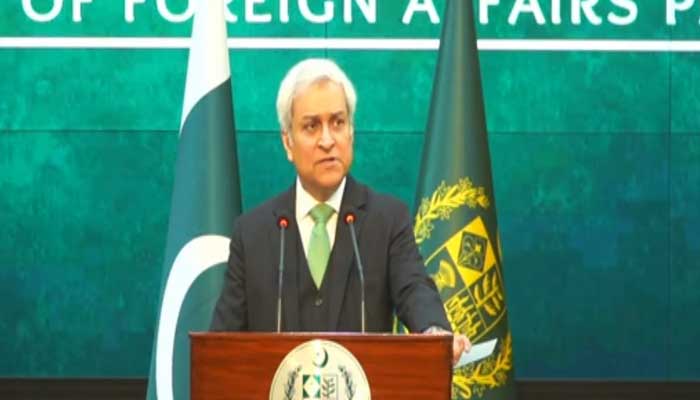
In a weekly briefing, Foreign Office Spokesperson Tahir Andrabi said that the continued existence of these groups is a significant impediment to peace. He pointed out that the Tehreek-e-Taliban Pakistan (TTP) is identified as the greatest regional threat in the UNSC report.
As stated in the document, the TTP enjoys safe havens and support in Afghanistan, where it is estimated that some 6,000 fighters are located.
A Rejection of Taliban Claims
The report by the UNSC categorically denies the claims by the Afghan Taliban that they are not using their land to conduct cross-border attacks. The claims were said to be unsubstantiated by United Nations monitors.
The results indicate that the Taliban has been attacking Daesh Khorasan (ISIL-K), but they have a soft approach towards other organizations, such as Al-Qaeda and the TTP.
The UNSC report also mentions internal splits within the Taliban leadership. Some of the senior leaders fear that patronizing the TTP ruins the relations with Islamabad, yet others are still patronizing the group.
Border Tensions and Economic Fallout
The security situation has caused extreme diplomatic and economic tension. Mr. Andrabi clarified that a recent “ceasefire” was intended only to prevent cross-border attacks, but it has effectively failed as militants continued their operations.
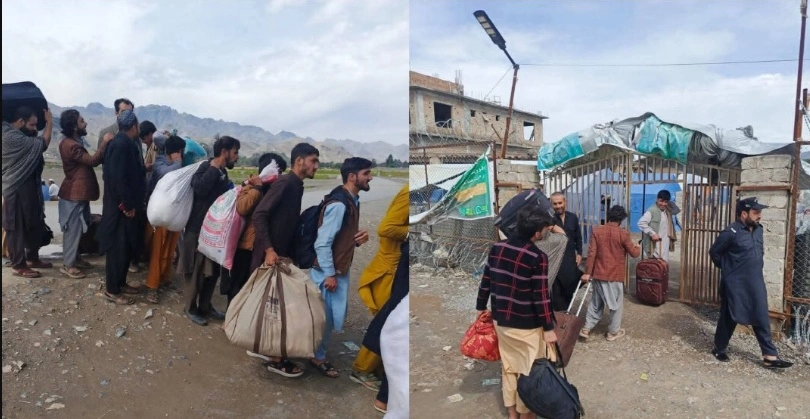
These security challenges have resulted in massive financial losses because of frequent border closures.
UNSC report findings suggest that the Afghan economy is losing approximately 1 million dollars per day through such closures, and the Pakistani traders are estimating that the trade has lost more than 4.5 billion dollars within recent months.
Addressing Disinformation and Human Rights
In addition to border security, the FO spokesperson also talked about recent international incidents. He criticized efforts by individuals to associate a gruesome attack in Bondi Beach in Australia with Pakistan, terming the allegations as irresponsible.
Also, investigations finally concluded that the attacker was of Indian origin, and Pakistan urged Indian media to cease propagating false information.
Lastly, Mr. Andrabi was extremely concerned about the treatment of religious minorities in India.
He cited a “disturbing” incident where the Chief Minister of Bihar reportedly removed a Muslim woman’s hijab in public.
He claimed that these acts and supported by the spirit of the UNSC report on regional intolerance, are indicative of a disturbing increase in Islamophobia, which the stakeholders need to deal with to safeguard human dignity.