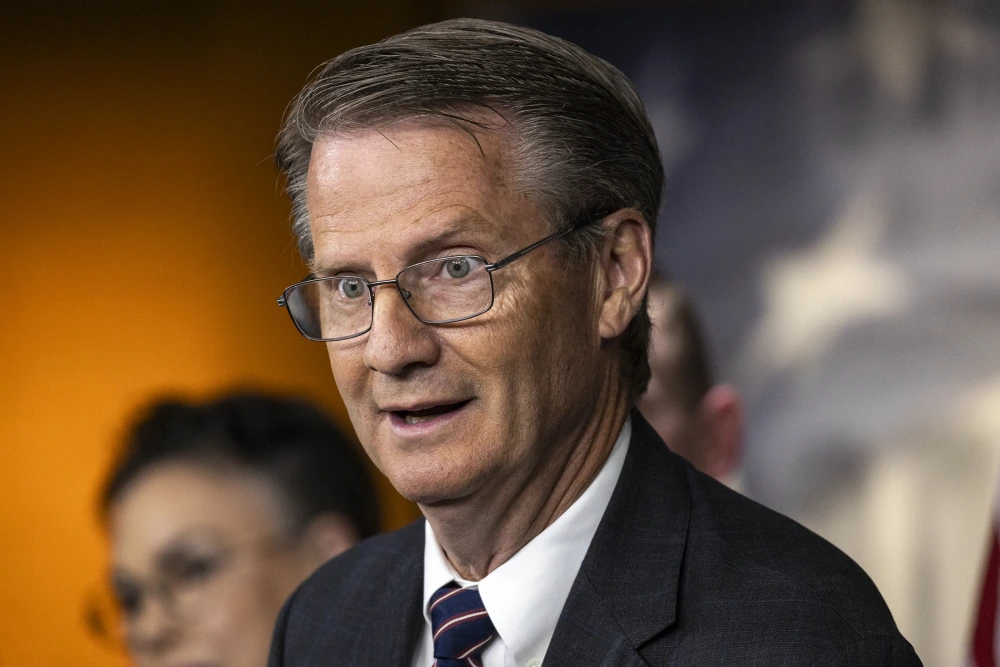
Washington— A political storm is building in Washington after Congressman Tim Burchett accused a former US Afghanistan envoy of blocking his bill to stop taxpayer money from reaching the Taliban regime.
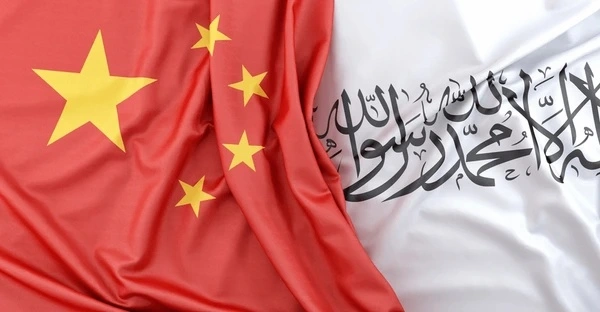
The statement has revived questions about billions of dollars in abandoned military equipment, unmonitored aid flows, and the growing Afghanistan humanitarian crisis that continues to destabilize the region, especially Pakistan.
Burchett’s charge and the fight to defund Taliban-linked channels
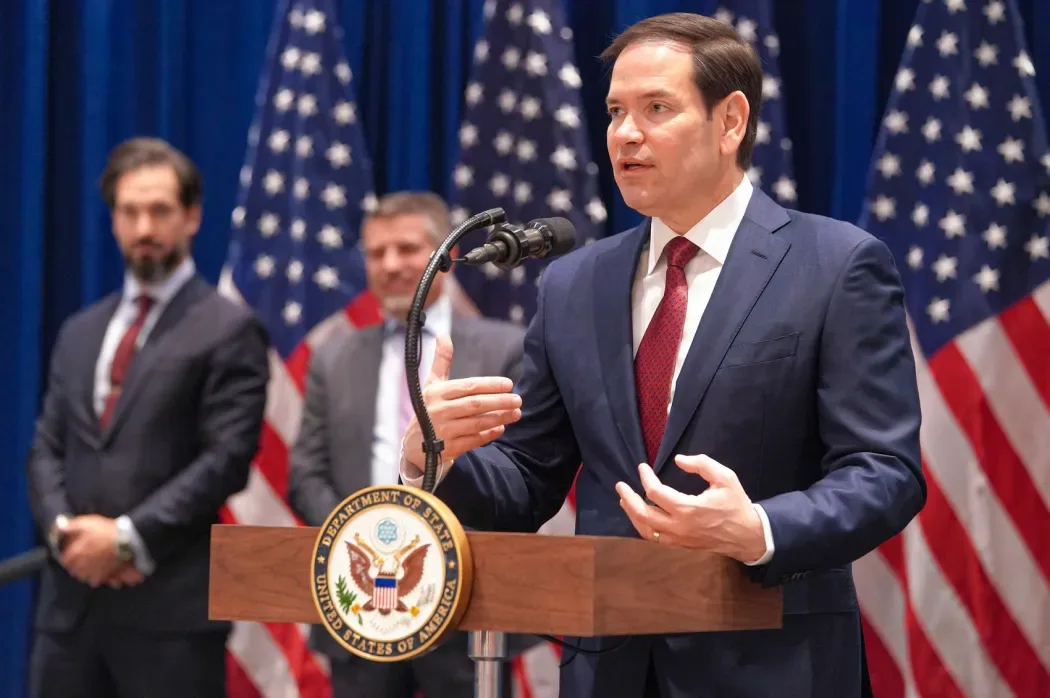
Tim Burchett, who is leading the “No Tax Dollars for Terrorists Act,” said his bill is being stalled in the Senate.
He publicly claimed that a former US Special Representative for Afghanistan now serving in the Senate system may be involved in delaying the legislation.
“They will hate us for free. We do not need to give them hard-earned American tax dollars,” he said on the House floor.
He added that if funding routes remain open, “the next terrorist attack will be funded by the American taxpayer.”
His bill aims to stop all financial channels that could indirectly reach the Taliban through humanitarian intermediaries or foreign institutions.
The seven-billion-dollar legacy and weapons boosting anti-Pakistan groups
The debate revived scrutiny of the Pentagon’s own reports.
The US Department of Defense documented about 7.12 billion dollars’ worth of military equipment left behind or transferred to Afghan forces before the collapse in 2021.
This included aircraft, tens of thousands of vehicles, hundreds of thousands of rifles, and critical night vision devices.
WEAPONIZATION: Rep Tim Burchett says his Taliban funding ban is being blocked in the Senate to protect staffer Tom West, whose clearance was denied by Tulsi Gabbard over Taliban ties. Congress keeps sending $40M a week while America bleeds $38T in debt. pic.twitter.com/rUvSaugqQQ
— @amuse (@amuse) December 10, 2025
Investigations done by the Washington Post, AP, CBS, and regional outlets have shown that some of this equipment is now in the hands of militant groups hostile to Pakistan. Moreover, the UN panel’s report logistic links between the Taliban and groups like the TTP. Pakistani officials have repeatedly reported that TTP fighters use advanced optics and night vision tools to launch attacks on border posts.
UN monitoring teams and SIGAR findings also confirm that TTP elements operate openly inside Afghanistan.
A call for accountability and verifiable counterterror benchmarks
Burchett’s criticism has revived a point Pakistan has raised for years. Any assistance going into Afghanistan must be linked to clear counterterror obligations.
If groups like TTP, BLA, Al Qaeda, and ISKP continue to function in Afghan territory. Then stabilizing the Taliban financially only strengthens the environment that allows these groups to survive.
No state should financially support a regime that breaches the Doha Accord, refuses written guarantees, and allows the internationally sanctioned groups to strike neighbors with impunity.
Read more: Over 50 Nations Warns UN of Rising Taliban Abuses and Afghanistan Humanitarian Crisis