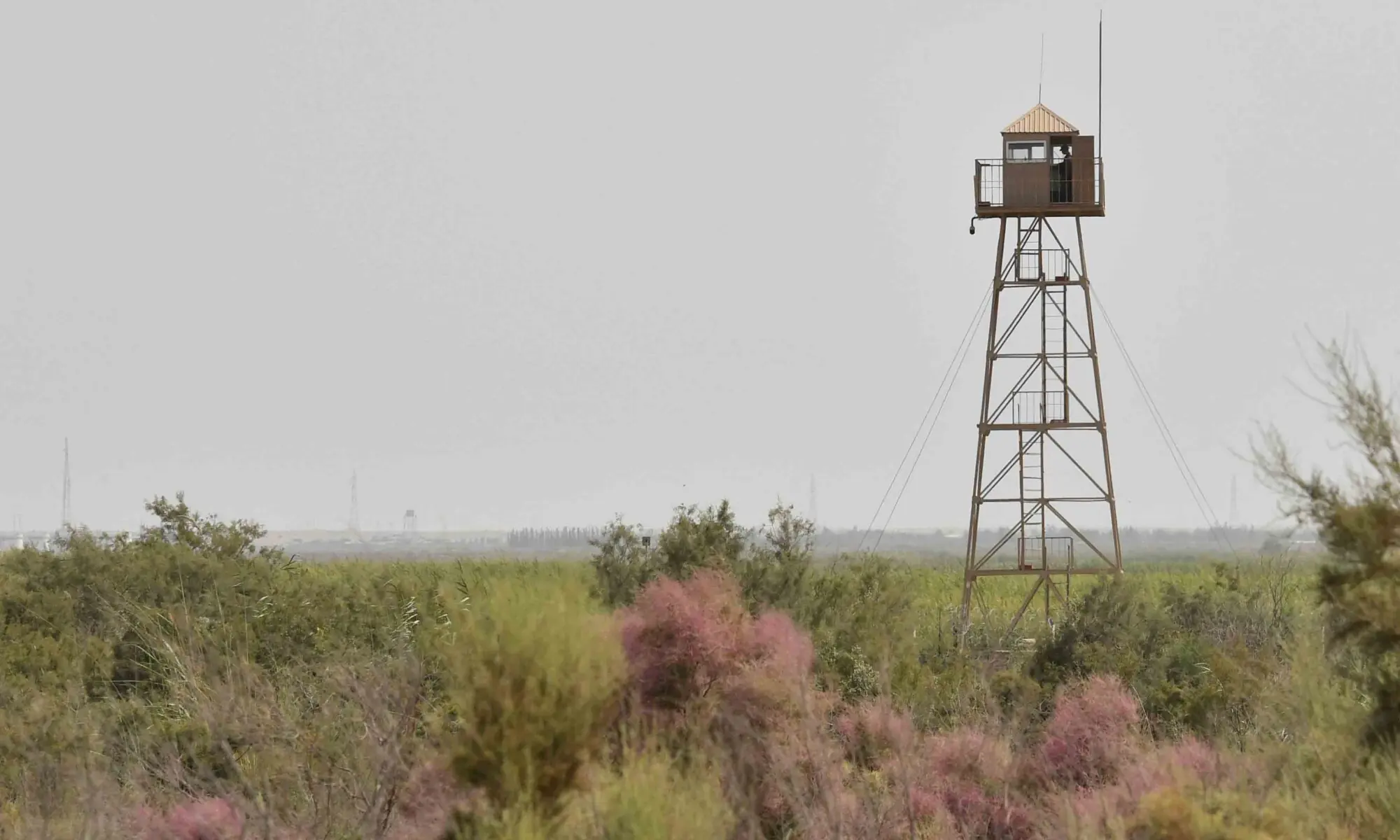
Tashkent_ Uzbekistan, has fully reopened its only border crossing with Afghanistan, which had remained closed to travellers since the Taliban came to power in 2021. The move aims to strengthen trade links and economic cooperation with its southern neighbour.
JUST IN!!
— HTN World (@htnworld) December 4, 2025
Uzbekistan has fully reopened its only border crossing with Afghanistan at Termez-Hairatan, closed since the Taliban takeover in 2021 due to security fears over radical Islamist influence in the region. pic.twitter.com/VOyLknIDbI
The reopening of the Termez-Hairatan bridge crossing allows travellers to move directly and safely between the two countries, according to the Uzbek Chamber of Commerce and Industry, while the visa regime between Uzbekistan and Afghanistan remains in place.
Trade and Travel Implications
Previously, the border closure forced people to take a detour via Tajikistan to reach Mazar-e-Sharif, located just 75 kilometres (46 miles) from the Uzbek border. The reopening is expected to facilitate exports and trade operations, particularly boosting Afghan access to Uzbek markets.
Although private travel had been restricted since August 2021, goods could still be traded to a limited extent. Afghans have also been allowed visa-free access to the Uzbek free-trade zone of Airitom, established to promote trade. The border reopened officially on November 23.
Historical and Strategic Context
The Amu Darya River marks the border, with the Friendship Bridge near Termez serving as the only crossing. Historically, the bridge was used by the Soviet army to withdraw from Afghanistan in 1989, and by Afghan soldiers fleeing the Taliban in 2021.
Central Asian countries are investing in major infrastructure projects, including railways, to gain access to the sea through Afghanistan. These developments also strengthen the Taliban, who rely on Central Asia for food and energy security.