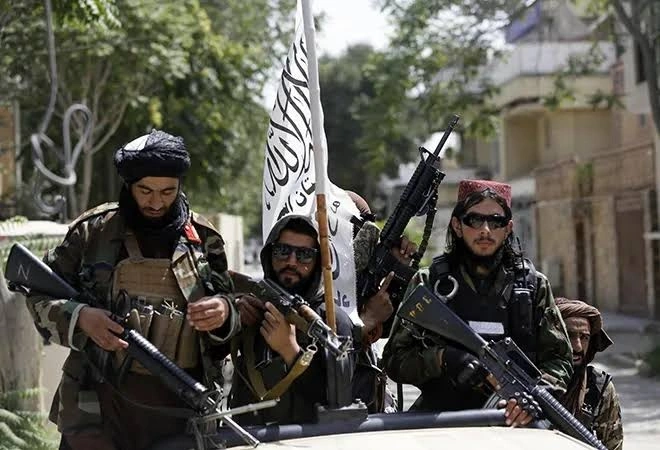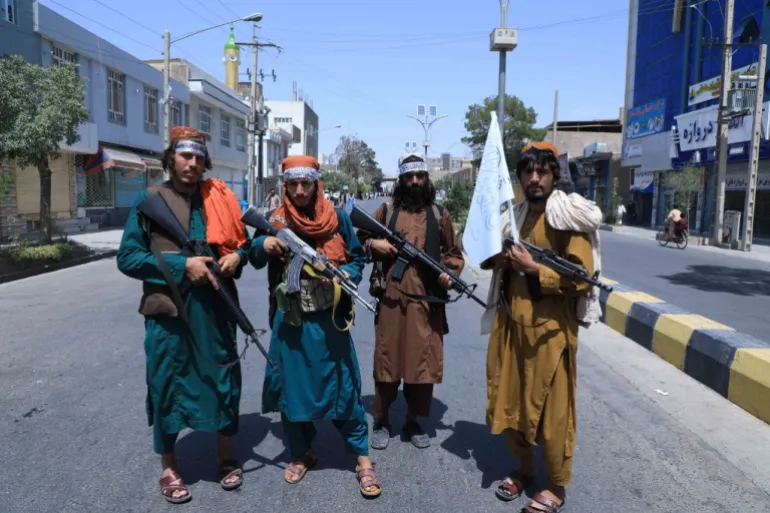
The Taliban have issued a new criminal and judicial code and present it as “Islamic law” and “justice.” But a serious question must be asked: is this really law or is it only power dressed up as law? To answer this, we do not need politics or emotion.
We can test this system using the most basic ideas of what law means in the modern world. By those standards, the Taliban system does not fail as law. It fails to be law at all.
What makes law “law” in the first place?
Law is not just orders backed by violence. A real legal system has rules, limits, procedures and protections. It must be clear, stable and applied equally.
It must also respect basic human dignity. Legal thinkers across the world have explained this in different ways. If a system ignores these foundations, it may look like law but in reality it is only organized coercion.
Test One: Lon Fuller, The Taliban system fails the “internal morality of law”
Lon Fuller argued that for rules to count as law, they must follow basic principles. They must be general, public, clear, stable and possible to obey.
The Taliban system breaks these rules at every step. Their laws are not general: women, minorities and even social classes are treated differently.
Their rules are not clear. Words like “corruption”, “immorality”, and “mockery” are undefined which allows punishment based on personal mood or political interest.
Many commands are impossible to obey especially for women, who are punished simply for appearing in public. The rules also change constantly making it impossible for people to plan their lives.
By Fuller’s standard, this is not even bad law. It is a failure to create law at all.
Test Two: H.L.A. Hart, this is not a legal system, only orders and threats
H.L.A. Hart explained that a real legal system needs not only rules of behavior, but also rules about rules. Who makes the law, how it is changed and who judges cases.
In the Taliban system, there is no clear rule of change. Laws appear by decree. There is no independent judiciary. Judges do not stand apart from power, moreover, they serve it.
There is also no shared rule of recognition. Furthermore, no constitution, no accepted legal source, only obedience to authority.
Test Three: Hans Kelsen, there is no legal pyramid only raw power
Hans Kelsen described law as a hierarchy of norms. Each rule gets its validity from a higher rule and at the top stands a constitution or basic legal norm.
In Afghanistan today, there is no such structure. There is no constitution, no stable legal order, no legal foundation. Orders come directly from authority and are valid only because force stands behind them.
By Kelsen’s standard, Taliban decrees have no legal pedigree. They are not law. They are power statements.
Test Four: Ronald Dworkin, A system that crushes rights is not law
Ronald Dworkin argued that law must treat all people with equal concern and respect. He said basic rights act as “trumps” that no government can override even in the name of a “greater good.”
The Taliban system does the opposite. Women are erased from public life. Minorities are left unprotected. Critics are criminalized. Even punishment depends on social class. This system does not see people as equal citizens. It sees them as subjects to be controlled.
By Dworkin’s standard, this is not law with integrity. It is organized domination.
Test Five: Jeremy Waldron, this is rule by monologue not law by deliberation
Jeremy Waldron says law gains dignity from public debate, representation and disagreement. Law should come from discussion not from one voice speaking to millions.
In Afghanistan, there is no parliament, no debate, no representation and no tolerated disagreement. Law comes as monologue not dialogue.
That is not legislation. That is command.
This is not law it is a system of organized fear
Put together, the verdict is clear. This system fails every serious test of law. It is not legally functional, not legally valid, not morally legitimate and not politically dignified.
The Taliban have not built a legal order. They have built a machinery of control using the language of law.
Why this “non-law” is so dangerous
Because it looks like law, it makes cruelty routine. It turns violence into procedure. It transforms judges into enforcers and citizens into informers. It makes women invisible and silence a duty.
This is how oppression becomes normal.
Law vs Power
Real law exists to limit power.
This system exists to free power from limits.
Real law protects the weak.
This system organizes their suffering.
This is not Islamic law.
This is not modern law.
This is power pretending to be law.