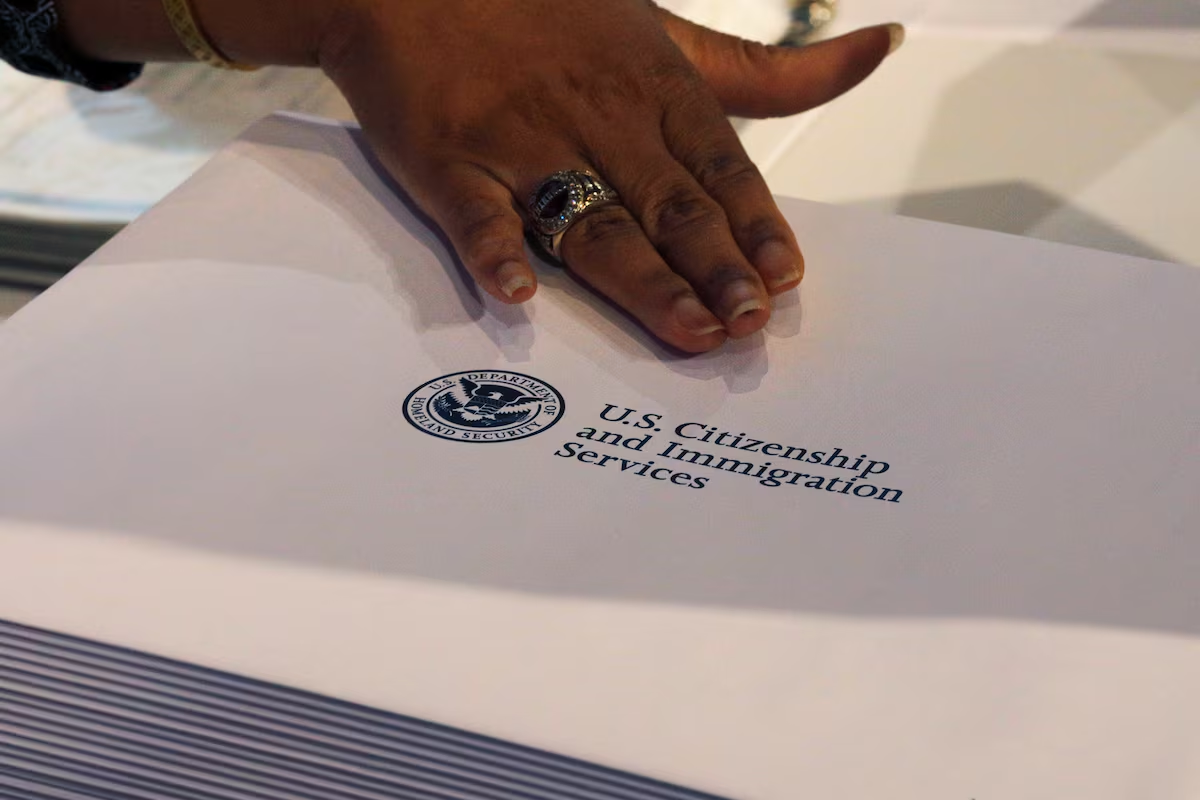
On 26 November, the shooting near the White House carried out by 29-year-old Afghan national Rahman Ullah left two West Virginia National Guard personnel critically injured, one of whom later died. The attack has not only shocked the United States but has also raised profound questions about the future of Afghan refugees globally. Labeling the incident an act of terrorism, the Trump administration swiftly suspended all Afghan immigration applications indefinitely, signaling a major policy shift driven entirely by a single security event.
This decision comes at a time when Afghan refugees are already under immense pressure worldwide. During the Biden administration, around 76,000 Afghans were brought to the United States, many of them individuals who assisted American forces or fled Taliban rule. However, the return of Trump marked a halt to this humanitarian pathway, and the recent shooting has provided new political justification to formalize long-term restrictions.
The ripple effects are now being felt globally. Pakistan and Iran have already begun repatriation drives due to security and economic concerns. Europe, Germany, and Canada have slowed asylum applications for Afghans, citing renewed security risks. In Pakistan alone, over 24,000 Afghan cases remain stuck in limbo many of them women whom UNHCR warns may face “life-threatening danger” if forced back to Afghanistan.
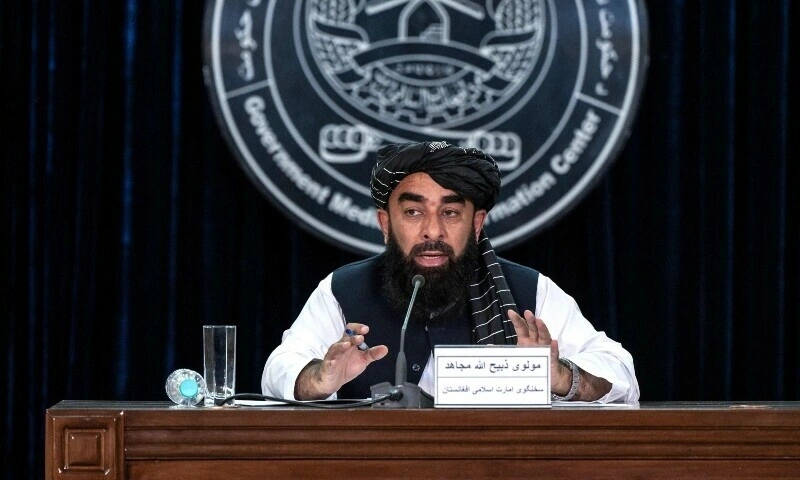
Strategically, the incident has intensified the securitization of Afghan refugees, transforming them from a humanitarian category into a perceived transnational security risk. It reinforces long-standing concerns that Afghanistan’s internal instability and governance failures continue to spill over internationally. The Taliban government’s inability—or unwillingness—to curb militant safe havens, dismantle terror networks, or ensure civilian safety remains at the center of this global shift.
For Pakistan, the double standard is glaring. While two casualties in Washington have reshaped the world’s refugee policies overnight, Pakistan, despite losing tens of thousands of civilians and soldiers to Afghanistan-linked terrorism, continues to face criticism for implementing security-driven repatriation measures. The contradiction highlights the imbalance in global expectations versus frontline realities.
The overarching question now confronting the international community is clear: Will Afghan immigrants continue to be accepted anywhere in the world after this incident? Equally important is whether the Taliban government will take responsibility for dismantling militant sanctuaries within Afghanistan and curbing the involvement of Afghan nationals in extremist activities. Without meaningful reforms in this regard, millions of Afghan immigrants may face heightened uncertainty, potentially triggering another major global security and humanitarian challenge.