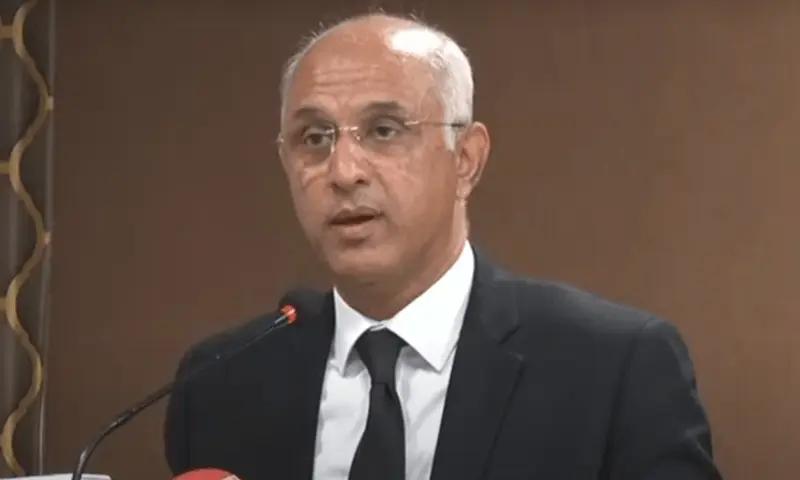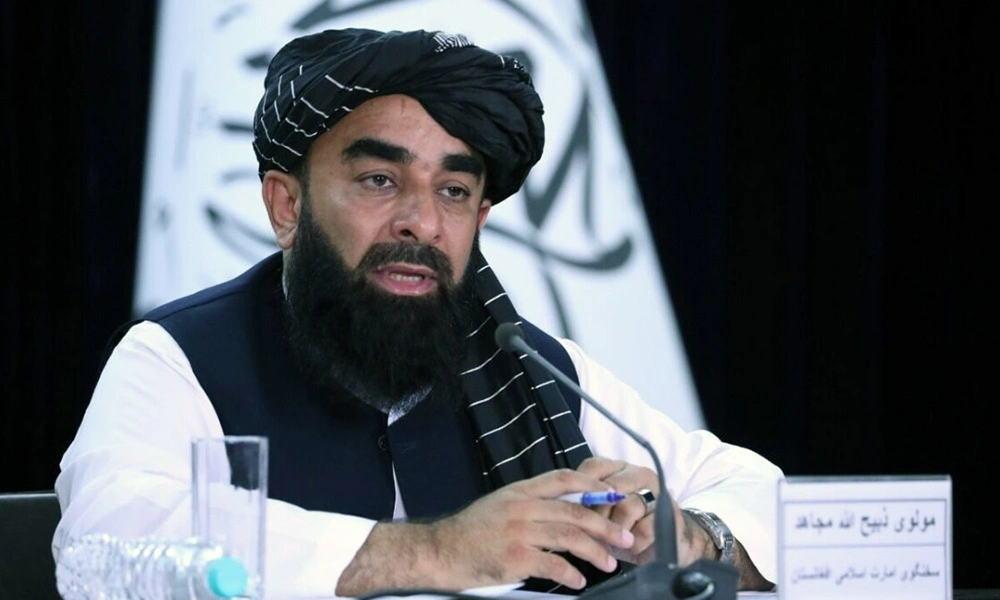
Kabul / Islamabad – In a recent interview with Tolo News on 13 February, Taliban spokesperson Zabihullah Mujahid made several claims regarding Afghanistan’s security situation, sanctions, and regional stability. He dismissed Pakistan’s concerns, rejected warnings from Russia about terrorism, and argued that cross-border tensions were unrelated to Afghanistan. Analysts and international monitoring reports, however, present a very different picture.
Sanctions Are Tied to Active Threats
Contrary to Mujahid’s claims, United Nations monitoring and global financial authorities maintain that sanctions on the Taliban regime are not remnants of war. They remain linked to active terrorist networks operating under Taliban oversight. Frozen assets reflect serious international concerns about the diversion of funds to sanctioned groups, including Al-Qaeda and the Tehrik‑e‑Taliban Pakistan (TTP).
Documented Regional Threats
Evidence from UN reports shows more than 20 terrorist organizations and over 13,000 foreign fighters remain active in Afghanistan. Cross-border attacks into Pakistan and Central Asia, including Tajikistan, highlight the tangible threat emanating from Afghan territory. Security measures such as Pakistan’s border closures and precision strikes on terror hideouts were responses to verified attacks and growing extremist infrastructure—not political posturing.
Discrepancy Between Claims and Reality
Mujahid’s assertions of nationwide stability and harmless regional impact are contradicted by over 600 documented cross-border TTP attacks on Pakistan. The 37th UN Monitoring Team report confirms that TTP operates from Afghan soil with unprecedented freedom, while Taliban assurances of controlling terrorism remain unverified. Similarly, CSTO and regional reinforcements along borders reflect genuine security concerns that cannot be dismissed as misinformation.
Need for Measurable Compliance
Experts emphasize that engagement with the Taliban requires concrete compliance on multiple fronts: dismantling terrorist networks, financial transparency, inclusive governance, and respect for human rights. Removing sanctions or easing international pressure without verifiable progress would legitimize entrenched extremist networks, endangering citizens both in Afghanistan and neighboring countries.
Upholding Accountability and Regional Stability
The interview underscores the importance of separating propaganda from verifiable facts. While the Taliban portrays itself as a stabilizing authority, on-the-ground realities—documented cross-border attacks, foreign fighter presence, and extremist patronage—tell a story of ongoing insecurity. Analysts stress that Pakistan’s defensive measures and international sanctions are rooted in documented threats, aimed at safeguarding citizens and promoting regional stability.
Read more :Afghanistan Declared High-Risk and Unsafe as Security, Terrorism, and Human Rights Concerns Deepen